





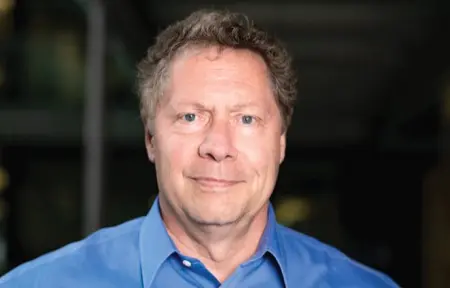
Seth Berkley, MD, an infectious disease epidemiologist, was the CEO of Gavi, the Vaccine Alliance from 2011 to 2023; a co-founder of COVAX, which developed, manufactured, and distributed COVID-19 vaccines; and the founder and CEO of the International AIDS Vaccine Initiative.
Dr. Berkley spoke to Infectious Disease Special Edition about his new book, “Fair Doses: An Insider’s Story of the Pandemic and the Global Fight for Vaccine Equity.”
Did you think that years after helming Gavi and COVAX that you’d be defending vaccines and watching funding evaporate?
Absolutely not. Vaccine hesitancy has been there since the beginning of time, but nothing like it is now with intentional disinformation. The politicization of vaccines means you are fighting much stronger forces than you have in the past. And misinformation now spreads literally at the speed of light with the internet. The combination of it all means that we’re in the worst shape we’ve ever been in terms of hesitancy and distrust.
Every time you have a pandemic, you have a period after which people want to move on. But the level of politicization and anti-vaccine work that’s going on in many developing countries is connected to the anti-vaccine work that is going on in the United States and other places.
For which diseases do U.S. global funding cuts for vaccines hold the greatest risk and concern?
Measles is the most infectious agent we know about. It’s estimated that the measles vaccine averted 60 million deaths since 2000 [MMWR Morb Mortal Wkly Rep 2024;73(45):1036-1042].
Obviously, polio has been important, and we’re down to a handful of cases in two countries, but we could go backward if there’s a decreased vaccine uptake.
For example, we have seen a disappearance of cervical cancer in countries that have very high immunization rates with the HPV vaccine, but that can easily change.
Are there entities making up the U.S. vaccine funding shortfall in a meaningful way?
Nobody fills that gap. It is a tough time because many other countries have also reduced their development aid and research funding. This will stymie research on emerging vaccines, such as vaccines against cancer.
How concerned are you about misinformation in the developing world?
Extremely concerned. Many people in the developing world grew up seeing the effects of infectious diseases, such as people with polio walking with a limp, and so would bring their own children on vaccine days. But now misinformation is rampant, and many parents are fearful. It’s going to get worse before it gets better.
What is next for you?
I decided when I stepped away from Gavi not to take another CEO role at the time. COVAX was a 24/7 event for three years. I was tired. I’m doing advisory and board work for vaccine and technology companies, and I’m a senior advisor to the Pandemic Center at Brown University.
I’m working on lots of interesting things like using artificial intelligence to create better vaccines and antibiotics.
This interview was edited for brevity and clarity.


This article is from the December 2025 print issue.