





A Salmonella Typhimurium outbreak linked to supplement powder has infected 45 people, hospitalizing 12, according to outbreak reports from the CDC and FDA. In addition, the FDA is warning consumers to avoid certain dog food and pantry items due to microbial contamination, and they gave an update on the ByHeart Formula infant botulism investigation. Here’s what you need to know.

Salmonella in Super Greens
Nearly four dozen people have contracted Salmonella linked to Live it Up Super Greens supplement powder across 21 states. On Jan. 15, company Superfoods, Inc. recalled all powder with expiration dates from Aug. 2026 to Jan. 2028, which included lots beginning with the letter A packaged in both bags and sticks, flavored Original and Wild Berry, and sold nationwide.
The CDC, FDA, and state public health departments currently are investigating this outbreak, which has illnesses stretching from Aug. 22, 2025, to Dec. 30, 2025. No deaths have been reported. Most of the individuals identify as male (62%). The median age is 45 years (out of the 44 people with age data available), with ages ranging 16 to 81 years. Of the 38 individuals with race data and 36 with ethnicity data available, all identified as white, and predominantly non-Hispanic (97%).
Most of the individuals interviewed so far (80%) have reported eating the supplement powder. Whole genome sequencing has matched the illnesses, showing the samples are closely genetically related. The WGS analysis is showing no predicted bacterial resistance thus far.
Dog Food Contaminated
The FDA is advising consumers to avoid eight lots of Raaw Energy Dog Food due to bacterial contamination. Following a complaint of a sick dog, testing by the Connecticut Department of Agriculture and the New Jersey Department of Agriculture found the dog food contaminated with multiple pathogens, including Listeria monocytogenes, Salmonella, Campylobacter jejuni, and Escherichia coli O157 bacteria.
Although the FDA has recommended a recall, the company has not yet issued one. Affected products include chicken medley, salmon, beef chicken medley, and beef turkey medley products. The FDA warns to throw out any of these products and immediately stop feeding them to animals.
Avoid Products From Pan-African Food Distributers
The FDA has issued a warning letter to Pan-African Food Distributors Inc. dba East Africa Boutique LLC for conditions at their distribution facility in Louisville, Kentucky. Potentially contaminated items include a large swatch of products imported and distributed by the company, including cosmetic products and various ready-to-eat and/or shelf stable food items, such as infant nutritional cereals, baking ingredients, and other food products. A full product listing is available on the FDA’s website.
The contamination is due unsanitary conditions at the distribution site, which could possibly lead to “leptospirosis, hantavirus infection, salmonellosis, yersiniosis, E. coli infection, and rat-bite fever,” according to the FDA. Products should be thrown away, and surfaces that came into contact with the products should be cleaned and sanitized, the agency said.
Related Content


An Update to the Infant Botulism Investigation
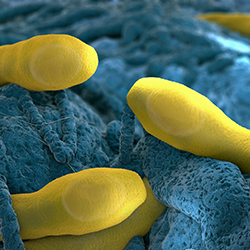
On Jan. 23, the FDA made an update to the investigation of infant botulism linked to ByHeart formula. There have been no new cases since Dec. 10 and altogether no reported deaths.
Product sampling and testing is ongoing, and so far, two samples of formula ingredients testing by the FDA have come back positive for Clostridium botulinum type A. One sample, from a closed formula container, matches a clinical isolate from an infant in the outbreak via WGS. The samples also match two isolates of an ingredient ByHeart uses for the production of its formula, organic whole milk powder. The second FDA-collected sample, from a processor who supplied ByHeart organic whole milk powder, is also a genetic match to the C. botulinum found in the formula.
In December, ByHeart had publicly reported six of 36 samples of finished product tested positive for C. botulinum; they were taken from batches included in the initial product recall.
The FDA’s investigation is ongoing. Check back in new updates in the investigation.
Based on reports from the CDC and FDA.