

By Ethan Covey
Seventeen people in nine U.S. states have reported harmful reactions following the receipt of botulinum toxin injections.
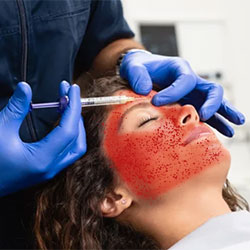
Per the CDC, the affected individuals reported receiving injections with counterfeit products, products from unverified sources or from those who were not following jurisdictional requirements.
“It’s important to understand that botulinum toxin products administered in nonmedical settings are not regulated, so the product contents might not be safe and the administration technique might not be correct, and that can lead to people getting sick,” Christine M. Thomas, DO, an Epidemic Intelligence Service officer with the CDC, who is the lead author of a report detailing an initial investigation into the illnesses, told Infectious Disease Special Edition.
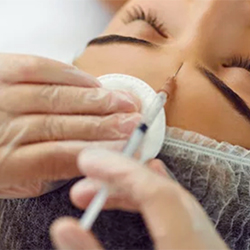
“Everyone getting cosmetic botulinum toxin injections (commonly called Botox [onabotulinumtoxinA, Allergan] after the name of the first branded product) should go to licensed facilities with trained staff that use FDA-approved products,” she added.
The report describes seven women who reported illness after receiving injections of botulinum toxin in nonmedical settings (MMWR Morb Mortal Wkly Rep 2024;73[27]:609-611). At least four of the women received counterfeit product. The symptoms of illness included ptosis, dry mouth, dysphagia, shortness of breath and weakness.
As of June 24, 2024, 17 cases had been identified from California (two), Colorado (one), Florida (one), Illinois (two), Kentucky (one), New Jersey (one), New York (three), Tennessee (three) and Texas (three). The outbreak has led to statements from the FDA, the CDC and multiple public health departments to ensure people know the risks of getting botulinum toxin injections in nonmedical settings.
In total, 76% of the people who fell ill were hospitalized, and 35% were treated with botulism antitoxin.
“This highlights the importance of clinicians in identifying illnesses that could represent botulism and notifying public health staff to investigate the cause and decide if antitoxin is needed,” Dr. Thomas said.
She said it is challenging to determine whether the use of such counterfeit products is increasing.
“I don’t have a great sense for whether use of counterfeit botulinum toxin products is becoming more common,” she said. “Understanding trends in use is a difficult question to answer since counterfeit product use is not tracked. We know that counterfeit Botox has been found in the U.S. previously, with the FDA issuing an alert in 2015.
“In this investigation, we identified its use only because people became sick, sought healthcare [for the adverse event] and their clinicians called the health department to ask whether their patients could have botulism and need botulinum antitoxin.”
She noted the investigation raised a question regarding how often people experience effects outside the injection site after cosmetic botulinum toxin injections.
“How and why illnesses occur after cosmetic injections could also be more fully understood by future research,” she said. “A greater understanding of how local injections of botulinum toxin might spread beyond the injection site and why this might happen would be helpful to better understand potential adverse effects from cosmetic injections.”
Dr. Thomas reported no relevant financial disclosures.