





Many people were angry because public health officials mandated masks during the COVID-19 pandemic.
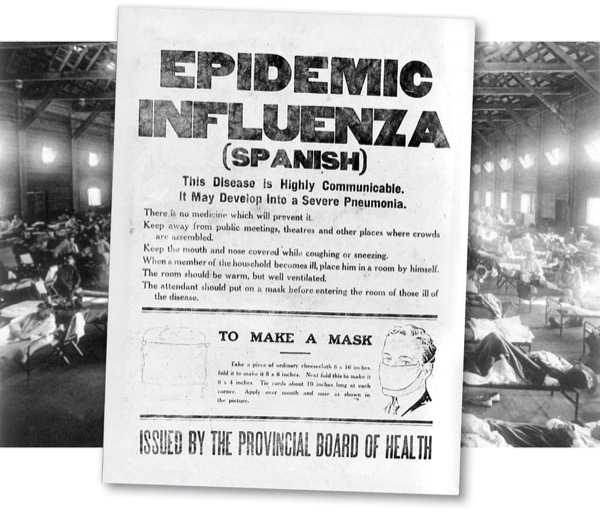
It turns out that it was not such a radical idea; mask wearing in public had been mandated before—during the Spanish flu in 1918. I was doing research for the cover story this month, and I came across the public health poster shown here.
There was no Tamiflu or vaccines, and hospitals were overrun by sick patients. So, public health officials turned to mitigation: mask wearing, segregation, isolation and personal hygiene.
It was billed as a patriotic duty to protect yourself, your families and your neighbors. The Public Health Service, Red Cross and others created leaflets, posters and newspaper ads explaining how people could make their own masks.
And some states and cities, including San Francisco, drafted laws requiring mask wearing when appealing to people’s sense of duty to others did not work. Scofflaws could be fined or jailed.
Were these measures contentious? Yes, but they were still enforced because they were the only tools they had.
Were they effective? It’s hard to know. But today, there is evidence (bit.ly/4hVayvS-IDSE) that masking is effective at slowing transmission of SARS-CoV-2, which is an airborne virus (bit.ly/41cdzSH-IDSE).
In fact, several experts on flu and COVID-19 told me they hoped people at risk for severe disease adopted mask wearing during every respiratory season, even when it is not mandated. But I don’t see that happening.
Unfortunately, we did not learn, and history repeated itself with even worse consequences during the COVID-19 pandemic: more than 1.2 million U.S. deaths, most of which occurred before the vaccine was introduced. America lost 675,000 people during the Spanish flu pandemic.
The views expressed here belong to the editor and do not necessarily reflect those of the publisher.


This article is from the February 2025 print issue.