





Expanded multiplex polymerase chain reaction (PCR) testing introduced during the COVID-19 pandemic appears to have had meaningful downstream effects on clinical care for respiratory syncytial virus (RSV), according to a quantitative and narrative analysis presented during IDWeek 2025, in Atlanta (abstract P-827).
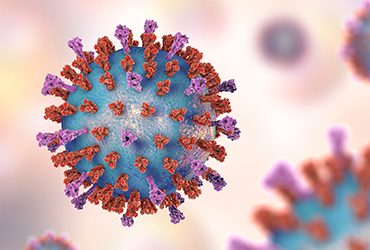
The findings revealed that rapid RSV detection—once rarely performed in immunocompetent adults—can influence antibiotic prescribing and discharge decisions, even in the absence of RSV-specific therapy.
“Prior to the COVID-19 pandemic, respiratory virus testing beyond influenza was uncommon for immunocompetent adults with limited impact on clinical care,” said presenting author Robert Colgrove, MD, the medical director of diagnostics at Mount Auburn Hospital, in Cambridge, Massachusetts, and an assistant professor of medicine at Harvard Medical School, in Boston.
What Are the Impacts of Increased Test Results?
With the widespread adoption of rapid, in-house point-of-care multiplex PCR platforms capable of detecting SARS-CoV-2, influenza A and B, and RSV, clinicians began receiving RSV results as a byproduct of COVID-19 testing.
“Understanding the clinical effects of such testing is of particular interest for RSV, since in prior years these infections would largely have gone undetected,” Dr. Colgrove said.
The study evaluated 1,694 positive respiratory viral cases identified between January 2023 and March 2025 at a medium-sized community teaching hospital using the Cepheid GeneXpert multiplex PCR platform. Of these, 155 were RSV, 557 influenza A, 39 influenza B, and 922 SARS-CoV-2. There were also 21 coinfections.
The researchers conducted detailed chart reviews of RSV-positive cases, examining ICU admission, mortality, and clinical responses to RSV results.
Related Content
Benefits to Antibiotic Stewardship and Provider Confidence
RSV positivity frequently influenced care. In most cases (82%), there was documented provider acknowledgment of the RSV result. Additionally, in 70% of cases, the positive result was cited in stopping or avoiding antibiotics, highlighting its impact on antimicrobial stewardship. Disposition decisions were also affected. Among emergency department–tested RSV patients, 39% were discharged directly after the results. ICU admission occurred in 5% of RSV cases, and mortality was rare. The median turnaround time for test results was 1.1 hours.
Although documentation of isolation changes was inconsistent, chart notes frequently referenced de-escalation of imaging and specialty consults after rapid RSV diagnosis.
“PCR detection of RSV as part of a broader program of COVID screening can influence clinical decisions in a substantial fraction of cases,” Dr. Colgrove concluded. “Rapid in-house testing of a previously less tested pathogen such as RSV may yield substantial benefits by improving antimicrobial stewardship, discharge efficiency, and provider confidence. Even in the absence of RSV-specific therapy, diagnostic clarity proved clinically useful in a community hospital setting.”
Dr. Colgrove reported no relevant financial disclosures.