By Ethan Covey
The use of polymerase chain reaction (PCR)-guided therapy can significantly enhance the detection and management of complicated urinary tract infections (cUTIs), according to the results from a randomized clinical trial that have been released in three recent publications.
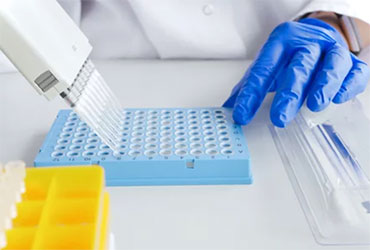
While culture and sensitivity (C&S) testing remains the current standard diagnostic approach, it suffers from longer turnaround times that may delay initiation of treatment. PCR-based diagnostics, on the other hand, provide faster results and may aid in the detection of emerging uropathogens.
The multicenter, randomized, parallel, investigator-blind clinical trial was conducted across six sites in the United States and evaluated the utility and clinical validity of PCR versus C&S testing among adults with cUTIs. A total of 773 adults were included in the study, who were randomized 1:1 to receive treatment guided by results from either PCR or C&S testing.
“We found that PCR-guided therapy delivered markedly better outcomes across three peer-reviewed installments,” said researcher Moustafa Kardjadj, PhD, the data management and biostats lead at dicentra, a contract research organization and professional consulting firm in Toronto.
The initial part of the study, focused on diagnostic performance, found that PCR testing resulted in significantly faster diagnostic turnaround time, with a mean of 49.7 hours in the PCR arm compared with 104.4 hours in the C&S arm (Diagn Microbiol Infect Dis 2025;111[1]:116601). Rates of favorable clinical outcomes also were much higher in those who received PCR-guided therapy, compared with those receiving C&S-guided care (88.08% vs. 78.11%).
In the second part of the trial, PCR demonstrated a 95.32% positive agreement with culture in identifying infection-causing pathogens at the baseline visit, and a 88.06% positive percent agreement at end of study. PCR diagnostics also caught infections that C&S missed, and enabled more effective oral antibiotic prescribing (Diagn Microbiol Infect Dis 2025;111[3]:116646).
The third, and final, publication focused on an ad hoc evaluation of the full trial data set (Microorganisms 2025;13[4]:949).
This analysis found that PCR detected a significantly higher rate of polymicrobial infections than C&S (43.5% vs. 31.95%). PCR also uncovered additional pathogens in 54.4% of culture-arm cases, and clinical failure was far higher when using C&S (28.3%) compared with concordant PCR and C&S (14.29%).
When phenotypic resistance was undetected by C&S, clinical failure occurred 50% of the time, compared with a failure rate of 13.2% when resistance was detected by both PCR and C&S.
“Together, these three installments underscore a culture’s blind spots—polymicrobial, resistance and heteroresistance detection—and validate integrating PCR for faster, more accurate cUTI management,” Dr. Kardjadj said.
‘A Step in the Right Direction’
Jonathan Schmitz, PhD, MD, an assistant professor of pathology, microbiology and immunology, assistant professor of urology, and the director of translational microbial diagnostics at the VUMC Diagnostic Laboratories, all at Vanderbilt University School of Medicine, in Nashville, Tenn., told Infectious Disease Special Edition that the trio of publications is important, as they “try” to address the question of outcomes and what patient populations may be most appropriate for molecular diagnostics.”
“The field of emerging uropathogens is very complicated,” he said. “There is a lot we still don’t know scientifically, and we’re trying to figure out how best to characterize it clinically. Studies like this are a step in the right direction.”
According to Dr. Kardjadj, the findings of the study “highlight the need for standardized, clinically actionable cycle threshold (Ct)-value cutoffs across regions and pathogens. Establishing standardized, actionable Ct-value cutoffs is critical for translating PCR results into clear clinical decisions.
“Ct values correlate inversely with pathogen load but vary by assay and platform, requiring robust validation and context-specific thresholds to guide therapy,” Dr. Kardjadj added. “Future studies should focus on defining Ct strata that reliably distinguish high, intermediate and low pathogen burdens for each pathogen, including applications across diverse infectious disease settings beyond cUTI, anchored in linearity, limit of detection and clinical outcomes.”
Dr. Kardjadj also noted that a significant barrier to the broader adoption of PCR diagnostics in the United States is reimbursement coverage policy, which often restricts outpatient molecular infectious disease panels to tightly defined indications and panel sizes.
The trial was funded by Doc Lab Inc., an advanced diagnostics and lab management company, and dicentra was contracted to conduct and oversee the trial, perform data analysis, and prepare the manuscripts.