Rapid molecular testing via a blood culture identification (BCID) platform significantly improved overall outcomes for patients with methicillin-susceptible Staphylococcus aureus (MSSA) bacteremia in a new study, reducing time to optimal therapy (TTOT), duration of bacteremia and incidence of acute kidney injury (AKI).

“BCID platforms enable earlier identification of MSSA and create an opportunity for timely initiation of optimal therapy,” explained study author J.D. Olivet, PharmD, a PGY-2 infectious diseases pharmacy resident at the University of Alabama at Birmingham. “However, data regarding the impact on clinical outcomes for MSSA bacteremia remains limited.”
Culture Versus Rapid Testing
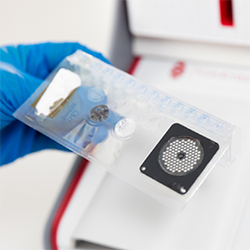
The retrospective single-center study, presented at MAD-ID 2025 (abstract 7 OR FRS), included 300 adults with culture-proven MSSA bacteremia who transitioned from empiric broad-spectrum antimicrobials to definitive antistaphylococcal beta-lactam therapy from January 2020 to August 2024. Equal numbers were identified by conventional culture-based and rapid BCID methods (cobas eplex, Roche).
“The primary outcome was a desirability of outcome ranking [DOOR] analysis comparing overall outcomes between groups based on incidence of treatment success [TS], AKI and inpatient mortality,” Dr. Olivet explained.
The five possible outcomes from most to least desirable were: 1) survival with TS and no AKI; 2) survival with TS and AKI; 3) survival with treatment failure (TF) and no AKI; 4) survival with TF and AKI; and 5) in-hospital mortality. Secondary outcomes included TTOT, duration of bacteremia, incidence of AKI, hospital length of stay (LOS), inpatient mortality and 90-day readmission.
Better Outcomes With BCID
Significantly more patients experienced the most desirable outcome in the BCID group compared with the culture-based group (62% vs. 45%; P=0.005) with a DOOR probability of 58.5% (95% CI, 52.5%-64.3%; P=0.0054). The average TTOT was 47 hours faster in the BCID group (P<0.001). The average duration of bacteremia was shorter (3.1 vs. 4.1 days; P<0.001), and incidence of AKI was lower in the BCID group (23% vs. 44%; P<0.001). Hospital LOS and inpatient mortality were similar between groups.
“By reducing time to identification of MSSA, optimal therapy was started earlier and holistic patient outcomes were improved,” Dr. Olivet said. “Despite similar baseline characteristics, patients in the BCID group had a numerically shorter median ICU stay and shorter duration of bacteremia. Patients in the BCID group were also less likely to be readmitted for the index infection.”
Vancomycin use among patients with MSSA bacteremia was cut in half after BCID implementation. Prior to BCID, an average of six vancomycin doses were administered over four days, and after BCID, an average of three doses were administered over two days (both P<0.001).
“BCID results in measurable and meaningful improvements in antimicrobial stewardship by quickly identifying pathogens and facilitating earlier optimization of therapy, and patients with MSSA bacteremia are more likely to experience a more desirable overall outcome when their infection is identified using rapid molecular BCID,” Dr. Olivet said. “These findings underscore the role of rapid molecular diagnostics in optimizing therapy, reducing treatment-related toxicity and improving overall patient outcomes.”
Dr. Olivet reported no relevant financial disclosures.