By IDSE News Staff
The FDA granted 510(k) clearance for the ASTar System (Q-linea), enabling the U.S. launch to hospitals and laboratories.
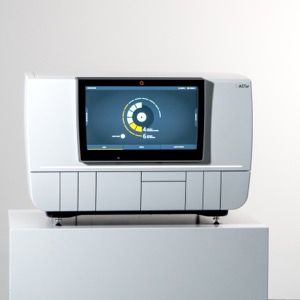
ASTar is a fully automated, rapid phenotypic antimicrobial susceptibility testing (AST) system built on the gold standard broth microdilution method. It can be run in parallel with any rapid ID-solution and delivers results directly from positive blood cultures in about 6 hours. This means 12-24 hours faster than standard workflows and sometimes even up to 48 hours earlier depending on laboratory practices. Continuous random access enables twelve samples to be analyzed in parallel.
Rapid AST helps expedite treatment decisions and could reduce patient exposure to unnecessary antimicrobials, mitigating the emergence of antimicrobial resistance (AMR).
“The approval is a significant step for Q-linea in the infectious disease diagnostics field in the U.S. Feedback from hospitals that have had early access to ASTar has been very positive, and we are excited to now be able to bring the system to labs across the U.S., which will make a real difference for patients with severe blood stream infections. We are pleased with the panel of drug-bug combinations which has been approved,” said Stuart Gander, the CEO of Q-linea.
According to the CDC, at least 1.7 million adults in the United States develop sepsis each year and nearly 270,000 die as a result. ASTar enables rapid therapeutic response to sepsis directly from a positive blood culture in approximately six hours, giving physicians the tool needed to improve patient outcomes and reduce mortality.
For more information about this system, visit www.qlinea.com.