





With an ever-growing list of risk groups and factors for fungal infection related to the host, the environment and the pathogen itself, the WHO has created a list of leading fungal pathogens to prioritize research, development and public health planning. At the 2024 MAD-ID Conference, in Orlando, Fla., experts discussed key and emerging fungal threats in immunocompetent and immunocompromised individuals, as well as current and pipeline antifungal therapies to address them.
WHO’s highest priority group of fungal pathogens includes Cryptococcus neoformans, Candida auris, Aspergillus fumigatus and Candida albicans, said Melissa Johnson, PharmD, a professor of medicine in the Division of Infectious Diseases and International Health at Duke University Medical Center, in Durham, N.C., and the liaison clinical pharmacist for the Duke Antimicrobial Stewardship Outreach Network.
“At the recent meeting of the European Society of Clinical Microbiology and Infectious Diseases, many of the speakers were discussing increasing rates of C. auris in their facilities,” Dr. Johnson said. “It is a rapidly transmitted pathogen that is often misidentified, colonizes the skin and leads to serious, often multidrug-resistant infections.”
A March 2023 CDC release called attention to the rapid rise and geographic spread of C. auris outbreaks; long-term care facilities are particularly vulnerable.

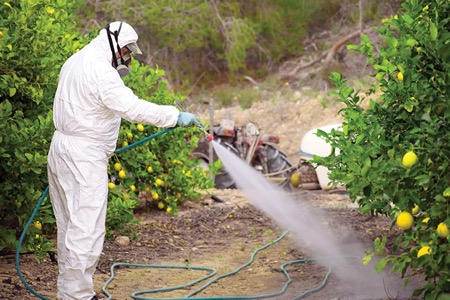
Antifungal-resistant Aspergillus is also on the rise, with rates as high as 10% to 13% in Europe (Pathogens 2023;12[11]:1305). “This increase may be driven by fungicidal use in agriculture, such as the tulip industry,” said Dr. Johnson, noting that triazole resistance significantly complicates the management of aspergillosis. “In 2022, we saw the first reported U.S. patient death with fungicide-associated, triazole-resistant invasive aspergillosis.”
Several newer antifungal agents have activity and potential roles in the treatment of these fungal infections, she said. They include:
Isavuconazole (Cresemba, Astellas), approved by the FDA since 2015 to treat fungal infections in adults, received expanded approval for pediatric indications in December 2023, and is currently the only triazole antifungal approved for the treatment of invasive aspergillosis and invasive mucormycosis in children as young as 12 months. “Data from a phase 2 open-label study [presented at Trends in Medical Mycology in October 2023] found an overall success rate of 54.8% at end of therapy, and an all-cause mortality of only 6.5%,” Dr. Johnson said. “Concentrations of isavuconazole were pretty good overall in children, but we might need to do therapeutic drug monitoring in some of these patients to ensure good target attainment.”
Rezafungin (Rezzayo, Cedara/Melinta), approved in March 2023 for the treatment of candidemia and invasive candidiasis in adults with limited treatment options, has several advantages, Dr. Johnson said. “It has a very long half-life and is well tolerated, with once-weekly dosing and a lack of drug–drug interactions, but it is IV only and is not yet approved in pediatric patients.” She noted that a pediatric pharmacokinetics study is ongoing.
Ibrexafungerp (Brexafemme, GSK), approved in 2021 for the treatment of vulvovaginal candidiasis (VVC), and in 2022 for reducing the incidence of recurrent VVC in adult and post-menarchal pediatric females, is also being studied in several clinical trials for various other indications, including fungal diseases that are refractory or intolerant of standard antifungal treatment, C. auris candidemia/candidiasis, and in combination with voriconazole for the treatment of invasive pulmonary aspergillosis. “Although it doesn’t have high urinary concentrations, it does penetrate the kidney and bladder, and there are some promising clinical data in difficult-to-treat urinary tract infections,” Dr. Johnson said. “There are some drug–drug interactions with ibrexafungerp to consider, and you should avoid strong and moderate [cytochrome enzyme] CYP450 3A4 inducers and reduce dosing of ibrexafungerp if used with strong CYP450 3A4 inhibitors.”
Oteseconazole (Vivjoa, Mycovia Pharmaceuticals) was approved by the FDA in 2022 to treat recurrent VVC in women not of childbearing age due to risks identified in preclinical studies. “This agent is a tetrazole with greater specificity for the fungal CYP51 enzyme, which has potentially fewer drug–drug interactions and adverse events than other azoles,” Dr. Johnson said. “It has a very long half-life, with measurable drug concentrations 168 days after a three-day treatment course, which could be leveraged in certain conditions such as for prophylaxis or in at-risk patients.”
Opelconazole (Pulmocide), an investigational agent administered by a nebulized suspension, is being studied in two phase 2 trials for pulmonary aspergillosis. “It appears to have a broad spectrum of activity and persistent effects after dosing, and the novel delivery form may avoid some of the drug–drug interactions and adverse events seen with oral agents in this complex patient population,” Dr. Johnson said.
Olorofim (F2G Ltd) is an investigational orotomide with activity against several difficult-to-treat molds, including Aspergillus, Scedosporium, Lomentospora, Scopulariopsis spp. and dimorphic fungi, Dr. Johnson said. “In a study presented at TIMM [Trends in Medical Mycology], it was generally well tolerated and had pretty high overall response rates compared with historical controls” (Open Forum Infect Dis 2022;9[suppl 2]:ofac492.063).
Fosmanogepix (Amplyx/Pfizer): “This drug covers everything. It’s so amazing in its broad spectrum of antifungal activity, including yeasts and molds, and has CNS [central nervous system] activity,” Dr. Johnson said. “It could have an important role in Fusarium spp., Scedosporium spp. and Lomentospora prolificans, as well as a potential first-line and/or salvage therapy for invasive aspergillosis. It’s attractive for coverage against [mucormycosis] as well.”
Encochleated amphotericin B (Matinas BioPharma) is an oral formulation of amphotericin B. “This represents the first oral absorbable formulation,” she said. “It distributes widely including target organs such as lungs, liver, kidneys and spleen, and may also penetrate brain tissue. It has shown promise in recent phase 2 trials for chronic mucocutaneous candidiasis and VVC as well as cryptococcal meningitis, which would facilitate outpatient therapy in limited-resource settings,” Dr. Johnson said.
Fungal Infections in Critical Care Patients
“With up to 80% of our patients on antibiotics daily, the critical care and transplant setting is the perfect environment for fungal infections to grow,” said Lilian Abbo, MD, a professor of medicine and the chief of infection prevention and antimicrobial stewardship at the University of Miami Miller School of Medicine. She noted that antifungal prophylaxis was listed among the top five stewardship challenges in transplant infectious diseases in a 2022 review (Antimicrob Steward Healthc Epidemiol 2022;2[1]:e72).
“Many of our patients are extremely sick, especially when we are called, and often do not have good IV access or gut absorption,” Dr. Abbo said. We also deal with a variable volume of distribution for antifungal agents, given such factors as renal replacement, ECMO [extracorporeal membrane oxygenation] and many drug interactions. We need to be stewards both of antimicrobial and antifungal therapies as well as diagnostics, and work collaboratively with our microbiology labs, rather than just ordering tests for the sake of ordering.”
She advised that achievable early performance measures in critical care antifungal stewardship include:
- appropriate choice, dose, route and duration;
- time to targeted or optimal therapy;
- appropriate use of rapid diagnostics;
- therapeutic drug monitoring performed/achievement of therapeutic levels; and
- clinical response: treatment success, stable disease or failure.
More advanced measures, which can be difficult in immunosuppressed patients, include:
- mortality;
- prophylaxis, fungal-free survival;
- persistent culture positivity, time to culture resolution;
- hospital length of stay; and
- recurrent or breakthrough infection.
“Antimicrobial stewardship pharmacists play a key role in critical care antifungal stewardship,” Dr. Abbo said. “This includes timely initiation of treatment, choice of antifungals and monitoring for increasing MICs [minimum inhibitory concentrations]. You should be collaborating with the laboratory to implement rapid diagnostics and removing unnecessary sources of infection, such as devices.”
Dr. Abbo stressed the importance of protecting the microbiome in these patients. “Broad-spectrum antimicrobials are an independent risk factor for invasive candidiasis. ASP [antimicrobial stewardship program] pharmacists should also be exploring new stewardship initiatives, including antifungal antibiograms and monitoring of echinocandin resistance, to determine the best empiric regimen for your institution.”
Dr. Abbo reported serving on advisory committees and/or boards for AbbVie, BioMeárieux, Ferring Pharmaceuticals, Innoviva/La Jolla Pharmaceutical, Shionogi and Pfizer. Dr. Johnson reported research grants to her institution from Charles River Laboratories International and Scynexis, author royalties from UpToDate and a licensed patent pending technology from her institution with Biomeme.

This article is from the August 2024 print issue.