Marie Rosenthal, MS
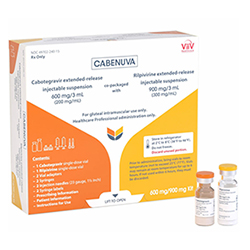
Two studies presented at the IAS 2025 meeting, in Kigali, Rwanda, demonstrated the acceptability and feasibility of using long-acting cabotegravir (CAB-LA; Apretude, ViiV Healthcare) for pre-exposure prophylaxis (PrEP) in different populations, including men who have sex with men (MSM), transgender men and Black women.
PILLAR is a phase 4 implementation trial assessing the integration of CAB-LA for PrEP across 17 U.S. clinics among a broad population of MSM and transgender men. They enrolled 201 participants between May 2022 and August 2023. Most of the participants were MSM (94%). Twenty-three percent of participants were Black, and 39% were Hispanic (poster TUPEE116).
Of those, 142 completed surveys after 12 months in the study, and 44 participated in qualitative interviews.
CAB-LA for PrEP was rated highly acceptable (mean, 4.6/5 at month 12) and feasible (mean, 4.4/5), with 95% of participants (n=131) who switched from oral PrEP reporting satisfaction with the choice, and 98% recommending CAB-LA for PrEP (n=140). Flexible scheduling, reminders and educational tools supported adherence, while stigma concerns were significantly lower compared with oral PrEP users.
MSM account for 67% of new HIV diagnoses in the United States, and although fewer become infected, transgender men (<1% of new diagnoses) are also at risk. Problems with taking daily medication and stigma are barriers to taking oral PrEP, the authors said.
CAB-LA, which is administered every two months, can address these barriers, according to the researchers.
“MSM and TGM [transgender men] reported little to no PrEP stigma and anxiety concerns with CAB LA at Month 6, which remained consistent to Month 12,” the researchers reported.
In a related study, researchers evaluated the feasibility of implementing CAB-LA use among Black cis- and transgender women across health clinics (poster THPEE096).
In the United States, Black women account for about 50% of new HIV diagnoses. Data from EBONI found CAB-LA for PrEP was highly appropriate (mean, 4.5/5) and feasible (mean, 4.4/5) for Black women.
Between August 2022 and February 2025, 84 healthcare professionals (HCPs) from 15 clinics completed surveys about their experience providing CAB-LA to patients; 52 also completed qualitative interviews. Most of the HCPs were cisgender females; 49% were Black and 12% Hispanic. The mean age of the HCPs was 44 years.
They evaluated the appropriateness, acceptability and feasibility of using CAB-LA in the clinic and how it affected their workflow. Overall, 85% of HCPs found implementing CAB-LA into their workflow was very or somewhat easy, or neither easy nor difficult at month 12. In addition, clinic capacity to accommodate CAB-LA for PrEP tripled within one year without increasing staff or time commitment, and they were able to accommodate more than 25 more patients per week by month 12 (15% vs. 55%).
The HCPs also said having the women back every two months for injections provided additional opportunities to screen for comorbidities and other sexually transmitted diseases, or providing other health or psychological care.
“HCPs in women’s health, primary care and infectious disease clinics found CAB LA highly appropriate for Black women with visits Q2M [every two months] offering ancillary health benefits, including additional opportunities to screen for STIs [sexually transmitted infections],” the researchers said.