





Approximately one in four first prescriptions for oral pre-exposure prophylaxis (PrEP) for HIV prevention are not dispensed within 14 days, according to a national study of more than 140,000 such prescriptions by researchers at Gilead Sciences, Walgreens and Emory University.
“First prescriptions are a really important aspect with PrEP,” said study co-author Dylan Mezzio, PharmD, a director within the Global Value and Access-Health Economics and Outcomes Research team at Gilead Sciences. The Affordable Care Act requires most private health plans to cover preventive services such as PrEP, which has a grade A recommendation from the U.S. Preventive Services Task Force, at no cost to patients, he said.
Dr. Mezzi’s group wanted to look into potential barriers to drug access to find actionable interventions.
In the retrospective study presented at the AMCP 2024 meeting (abstract B8), the investigators pulled data from Walgreens’ U.S. Pharmacy Database from Jan. 1, 2020, through Dec. 31, 2022, for 143,315 adults (80% male) aged 18 years and older for whom PrEP was first prescribed. Individuals with at least two additional antiretroviral prescription medications, indicating they were being treated for HIV, were excluded from the study. Investigators reviewed demographic information such as age, sex and geographic region of the pharmacy, as well as prescription characteristics like monthly mean out-of-pocket cost, reasons for prescription rejections, primary payor type and whether the pharmacy was in a state with a PrEP drug assistance program (DAP).
Overall, 105,905 initial PrEP prescriptions were dispensed and 37,410 were not. Some 36% of pharmacies processing first fills were in states in the South, and about half (56%) were in a state with a PrEP DAP. About 23% of individuals had at least one initial PrEP prescription rejection, of which 19% were never dispensed. The primary payor type was commercial insurance (62%), followed by government (19%) and cash/other payor types, including DAPs, discount cards and coupons (19%).
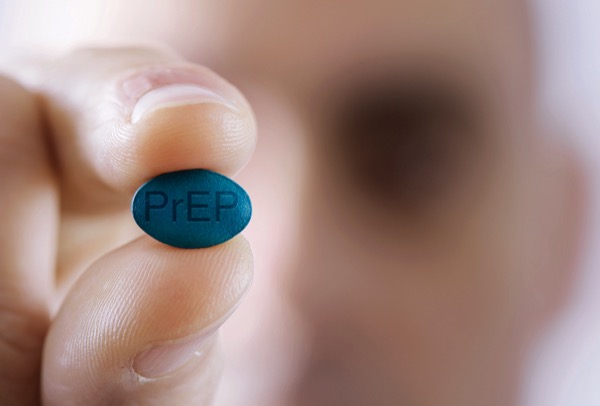
Of all initial prescriptions for PrEP, 74% were dispensed in 14 or fewer days, 28% were dispensed on the same day, 15% were dispensed the next day, 22% were dispensed between three and seven days, and 9% were dispensed between eight and 14 days. Approximately 9% of prescriptions were dispensed after 14 days, while 6% of prescriptions were filled but never dispensed, and 11% were never filled.
The researchers presented several other noteworthy findings from the study, which was funded by Gilead:
- Among all PrEP prescriptions, the most common reasons for rejection were plan limitations exceeded (45%), product/service not covered (38%) and prior authorization required (21%).
- For prescriptions with no rejections, 75% were dispensed within 14 days, compared with 71% in those with at least one rejection.
- For adults with commercial or government insurance, initial dispensing was 71% and 66%, respectively, with at least one prescription rejection, compared with 76% and 71%, respectively, with no rejections.
- Across all payor types and U.S. regions, mean initial out-of-pocket costs were higher for prescriptions not dispensed versus dispensed in 14 or fewer days, with mean costs across payor types ranging from $61 to $1,008 for filled, not dispensed, versus $7 to $25 for dispensed prescriptions.
Ongoing work will try to identify barriers to PrEP related to behaviors, stigma, education or payor rejections, Dr. Mezzio said.
Dr. Mezzio reported no relevant financial disclosures.

This article is from the October 2024 print issue.