





A confirmed case of hepatitis B virus (HBV) transmission within a North Carolina skilled nursing facility has been linked to the shared use of blood glucose meters (glucometers).
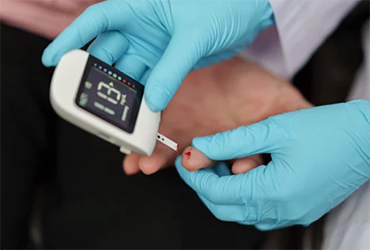
The incident underscores the ongoing risk for assisted blood glucose monitoring (AMBG) in long-term care settings and highlights gaps in hepatitis B vaccination coverage among older adults with diabetes (MMWR Morb Mortal Wkly Rep 2025;74[29]:463-464).
“Unsafe practices during AMBG and the shared use of glucometers are well-established risk factors for transmitting bloodborne pathogens in healthcare settings, including HBV,” said Joshua R. Moore, MPH, an epidemiologist with the Communicable Disease Branch at the North Carolina Division of Public Health (NCDPH).
Past Cases
From 2008 through 2019, 15 hepatitis B outbreaks associated with blood glucose monitoring were reported in long-term care facilities, many of which were suspected to be associated with unsafe AMBG practices or the use of shared glucometers.
This Case
In early 2024, a 69-year-old nursing home resident with diabetes was hospitalized for unrelated issues but presented with jaundice and other symptoms consistent with acute hepatitis. Laboratory tests confirmed HBV infection. An investigation by the NCDPH tested all residents and identified another individual with chronic HBV living in close proximity to the acute case.
Both residents had their glucose monitored using two shared glucometers stored on a central medical cart. Records showed that during the incubation window, the acute case was repeatedly tested within one minute of the chronic case. Whole-genome sequencing later revealed that both residents carried genetically identical HBV strains, strongly implicating shared glucometers as the vehicle of transmission.
Related Content



Do Not Share Glucometers
Of note, investigators did not observe systemic breaches in infection control protocols. Facility staff reported disinfecting devices per manufacturer guidance. However, the rapid succession of monitoring may have left insufficient time for effective decontamination, illustrating the inherent risks of sharing point-of-care devices even when protocols are followed.
“Sharing glucometers presents a risk for hepatitis B transmission in nursing homes that can be reduced by nursing homes dedicating glucometers to a single resident with diabetes and clinicians offering hepatitis B vaccination to adults 60 years and older with diabetes receiving blood glucose monitoring,” Mr. Moore said.
HBV Vaccination Could Prevent Transmission
The Advisory Committee on Immunization Practices currently recommends universal hepatitis B vaccination for all adults older than 60 years, and vaccination for those 60 and younger based on shared clinical decision-making, particularly in high-risk groups such as people with diabetes. Yet vaccination uptake among older adults remains low.
“Even with these recommendations, hepatitis B vaccination coverage remains low among persons aged 60 years and younger with diabetes,” Mr. Moore said.
“Overall, this report further highlights assisted blood glucose monitoring and the use of shared glucometers as risk factors for HBV transmission and provides evidence that nursing homes may be an appropriate setting to offer hepatitis B vaccination.”
Mr. Moore reported no relevant financial disclosures.