By Cheryl Alkon
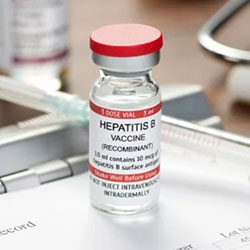
With the April 2022 recommendation that all U.S. adults between the ages of 19 and 59 years be vaccinated against hepatitis B virus (HBV), the CDC’s Advisory Committee on Immunization Practices (ACIP) hopes to significantly increase the number of people who are protected against this disease.
Hepatitis B is considered vaccine preventable, but hepatitis B (HepB) vaccination rates historically have been low. Previously, HepB vaccines were only recommended to people considered at high risk for contracting the disease. Since the previous recommendations relied on patients disclosing risky behaviors as a prerequisite for vaccination, the ACIP thought a universal recommendation would increase vaccination rates.
Among adults in the United States, “the main risk factors for acquiring infection include IV drug use or male-to-male sexual contact in those who do not have protection from the vaccine,” said Kristen Marks, MD, an associate professor of medicine at Weill Cornell Medicine and the co-director of the Cornell HIV/AIDS Clinical Trials Unit, in New York City. “We have done well in the U.S. in preventing mother-to-child transmission.”
U.S. children typically receive HepB vaccination at birth, noted Chloe Thio, MD, a professor of medicine at the Johns Hopkins University School of Medicine, in Baltimore. The vaccine first became available in 1982 and a universal newborn vaccine in 1991, according to the CDC.
Cases have been increasing (MMWR Morbid Mortal Wkly Rep 2022;71[13]:477-483). In 2018, the CDC reported 3,322 cases of acute HBV in the United States, but since many cases go unreported, the agency estimates the number of cases was closer to 21,600 that year. Chronic HBV cases are estimated to affect between 880,000 and 1.98 million Americans, with about two-thirds being unaware of their infection.
With the 2022 universal recommendations for adults, Dr. Marks said she hopes HBV infection rates, which have remained relatively steady from 2011 to 2018, will decline. “Prevention of hepatitis B infection is a way to prevent liver disease and liver cancer,” she said. “The updated recommendation from the ACIP in 2022 took away the need to screen for risk factors in adults. In general, people have well-founded concerns of facing stigma if they disclose risk factors like injection drug use, incarceration history or multiple sex partners. A universal recommendation takes away this barrier.”
Dr. Marks reported research funding paid to Weill Cornell from Gilead Sciences. Dr. Thio reported no relevant financial disclosures.