


Originally published by our sister publication Pharmacy Practice News
By Gina Shaw
The prevalence of metabolic dysfunction–associated steatotic liver disease (MASLD) has increased worldwide, and is particularly problematic among patients with chronic hepatitis B virus. Of the approximately 254 million people with HBV surface antigen (HBsAg)-positive chronic HBV, 16% to 67% may have concurrent MASLD (Lancet Gastroenterol Hepatol 2020;5[2]:167-228; WHO).
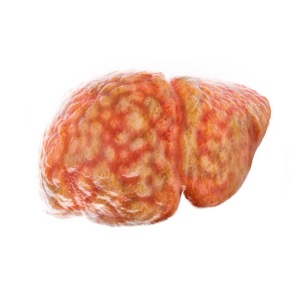
The interplay between the two disease states is complex. Large cohort studies have suggested that MASLD may be protective against HBV by suppressing viral replication, yet co-occurrence may still worsen liver disease outcomes such as cirrhosis and hepatocellular carcinoma (HCC). For example, a retrospective cohort study involving 1,613 patients in China found that the presence of MASLD was associated with a higher risk for HCC in patients with chronic HBV. Over a median follow-up period of 5.02 years, 36 (2.2%) patients developed HCC, comprising 4.8% (23/483) of those with MASLD and 1.2% (13/1,130) of those without. Those with MASLD had a significantly higher cumulative incidence of HCC than those without (P<0.001) (Front Physiol 2024;15:1347459).
A new study from investigators at the University of Calgary, in Alberta, sheds some light on the mechanisms involved in this complicated relationship between disease states, finding that even when HBV is suppressed, coexisting MASLD leads to activation of systemic inflammatory pathways and metabolic dysregulation that may ultimately aggravate HBV-related liver fibrosis progression (J Viral Hepat 2024 Aug 7. https://doi.org/10.1111/jvh.13979).
This prospective cross-sectional cohort study enrolled 53 adults aged 18 to 60 years with chronic HBV, both with and without severe hepatic steatosis and metabolic syndrome risk factors, who were treatment-naive and had no end-stage liver disease such as cirrhosis or hepatocellular carcinoma. In addition, 12 HBV-negative individuals with MASLD were recruited for immune assay control.
The investigators assessed HBV replication status using standard and novel viral biomarkers, HBV variants by deep sequencing of the HBV surface and core genes, and serum cytokine levels and ex vivo functional HBV-specific cellular immune responses to whole recombinant HBsAg and HBV core antigen, a marker of viral replication found in infected hepatocytes. They found that those with more severe hepatic steatosis showed increased peripheral systemic and Th1 cytokine levels and cellular response to whole viral proteins. Patients with metabolic syndrome and steatosis showed lower HBV markers (P<0.01), higher HBV surface diversity (P=0.02) and greater frequency of HBV variants associated with host antiviral immune escape.
“Individuals with more hepatic steatosis showed low-level viremia, unique HBV variants and systemic anti-viral immune responses, potentially impacting liver disease progression. Overall, the accumulated study data are consistent with other published work showing lower HBV viraemia, including novel replication biomarkers, in CHB [chronic HBV] patients with comorbid MASLD,” wrote the researchers, led by Claudia Coffin, MD, MSc, a professor of medicine and the medical director of the University of Calgary Viral Hepatitis Clinic. “Moreover, our study data show an association between hepatic steatosis and HBV genome changes, systemic inflammation and host-antiviral specific immune responses, determined by assessment of HBV S [surface] gene diversity and variants, serum cytokines and IFN-gamma cellular responses to recombinant HBV proteins.”
While cautioning that larger and longer studies including in patients with more diverse HBV genotypes are needed, the researchers noted their findings suggest that MASLD-associated immune–inflammatory profiles may enhance HBV-specific T-cell responses in patients with both CHB and MASLD, achieving higher rates of a functional CHB cure, especially in patients with metabolic risk factors compared to those with only simple hepatic steatosis. “Despite HBV suppression, co-existing MASLD leads to activation of systemic inflammatory pathways and metabolic dysregulation disrupting hepatocyte homeostasis, that may ultimately aggravate hepatitis B-related liver fibrosis progression,” they concluded.
Disclosures: Dr. Coffin reported serving on advisory boards for Altimmune Pharmaceuticals, Janssen and Roche (paid to the University of Calgary, c/o the Canadian HBV Network); consulting fees from Gilead Sciences; and investigator-initiated grants from Gilead, GSK and Janssen (paid to the University of Calgary c/o the Canadian HBV Network).