By Ethan Covey
According to the CDC, flu vaccine coverage fell among certain groups of adults during the 2023-2024 season, and coverage among pregnant people and children has decreased annually since 2020.
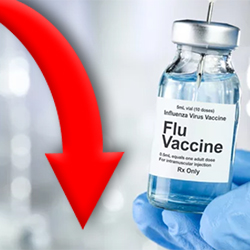
Among pregnant people ages 18 to 49 years, flu vaccine coverage has fallen to 36% from a high of 53% observed during the 2020-2021 season. In children, vaccination coverage fell roughly three percentage points from the 2022-2023 season to the 2023-2024 season, from 50% to 47%. During the 2019-2020 flu season, vaccine coverage among children was 56%.
“Influenza continues to pose a significant threat, as evidenced by recent flu seasons,” said Gregg Sylvester, MD, MPH, the chief health officer at CSL Seqirus. “As we begin distributing influenza vaccines to healthcare providers throughout the U.S., it is imperative that we work to maintain high vaccination rates this season to help reduce the burden of influenza-related illnesses and the risk of severe outcomes.”
CSL Seqirus, currently the only manufacturer to offer a differentiated influenza vaccine for all eligible people at least 6 months of age in the United States, has begun shipping the coming season’s trivalent influenza vaccine formulations.
The CDC’s Advisory Committee on Immunization Practices recently released its recommendations for this flu season, which include more choices for adults receiving a solid-organ transplant.