





Adults 19 years of age and older who are immunosuppressed due to disease or therapy should receive the recombinant zoster vaccine (RZV; Shingrix, GlaxoSmithKline) in two doses given at least four weeks apart, the Advisory Committee on Immunization Practices (ACIP) recommended in a unanimous vote on Oct. 20.
This population includes, but is not limited to, hematopoietic stem cell transplant (HSCT) recipients; patients with hematologic malignancies and solid tumor malignancies; solid-organ transplant recipients; people living with HIV; patients with primary immunodeficiencies, autoimmune and inflammatory conditions; and those taking immunosuppressive therapies.
Taken together, these groups account for approximately 22 million people, said Tara Anderson, DVM, MPH, PhD, who leads the ACIP’s zoster workgroup and presented a summary of the evidence in support of the recommendation. “Herpes zoster incidence is common in U.S. adults and increases with age, with approximately 1 million U.S. cases per year in the pre-vaccine era,” she noted.
The FDA first approved RZV in 2017; in that same year, ACIP recommended it for use in all immunocompetent adults ages 50 and older. In July 2021, the agency expanded RZV’s indication to include immunosuppressed adults ages 19 and over; at ACIP’s September meeting, the panel discussed the economics of vaccinating immunocompromised adults ages 19 to 49 and developed preliminary evidence for a recommendation framework regarding the use of the vaccine in this group.
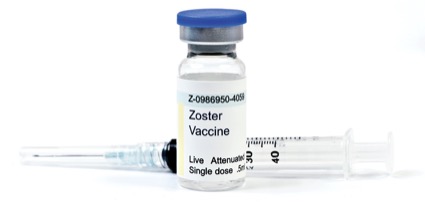
Dr. Anderson noted that recent research found the median incidence of herpes zoster in immunosuppressed people exceeds that in individuals older than 50 (Clin Infect Dis 2020;71[7]:e125-e134). “The risk of herpes zoster and … complications is generally higher in immunocompromised populations, although there is variability across and within these groups,” she said. The workgroup found the desired anticipated effects of RZV in immunocompromised adults were substantial and unfavorable anticipated effects were small.
“Given the burden of [herpes zoster] and its complications in these patients, it is anticipated that more immunocompromised patients would pursue vaccination with RZV if recommended by ACIP and their provider,” Dr. Anderson said. “Despite lack of a recommendation from ACIP, many physicians are already recommending RZV to patients with these conditions. Physicians need more direction on which patients are eligible for RZV.”
ACIP Committee member Katherine Poehling, MD, a professor of pediatrics and epidemiology and prevention and the director of pediatric population health in the Department of Pediatrics at Wake Forest School of Medicine, in Winston-Salem, N.C., noted the importance of pharmacy communication as this recommendation is rolled out. “The data presented today show that 60% to 65% of recombinant zoster vaccine is distributed through pharmacies,” she said. “This highlights the importance of making sure that information flows between pharmacies and providers so that all are clearly aware of what the patient’s vaccination status is, and highlights the importance of having a universal adult immunization registry that all can see.”
The sources reported no relevant financial disclosures.
This article is from the December 2021 print issue.