





Karius Inc. has been awarded a contract from the Division of Research, Innovation, and Ventures (DRIVe), under the Biomedical Advanced Research and Development Authority (BARDA), valued at more than $600,000, that enables Karius to extend its current DNA pathogen detection capabilities to include RNA pathogen detection in a variety of human samples.
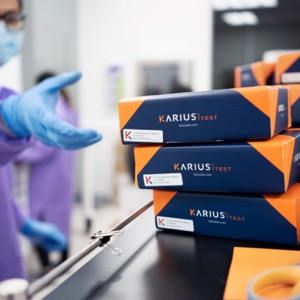
“We are delighted to partner with BARDA DRIVe in developing highly scalable tests that can rapidly identify any type of pathogen anywhere in the body,” said Tim Blauwkamp, the chief scientific officer and co-founder of Karius. “Our agnostic test for DNA pathogens has already served over 60,000 hospitalized patients, and this new project brings our vision of rapid, comprehensive diagnostics for every patient one step closer.”
The contract follows a $100 million Series C announcement earlier this year to expand its Karius Test beyond the 400 U.S. hospitals currently using it and to support research into the broader applications of Karius’ metagenomics technology. Additionally, Karius announced that the Karius Test has been granted break-through device designation from the Center for Devices and Radiological Health of the FDA, for use in the diagnosis and management of immunocompromised patients with suspected lung infections including lower respiratory infection and pneumonia.
To learn more about Karius, visit kariusdx.com. To learn more about Karius’ contract with the Agnostic Diagnostics Program, visit the BARDA website.
This project has been supported in whole or in part with federal funds from the Department of Health and Human Services, Administration for Strategic Preparedness and Response, and Biomedical Advanced Research and Development Authority, under contract number 75A50124C00023.
Karius harnesses metagenomics sequencing and artificial intelligence to enhance the precision and speed to identify more than 1,000 pathogens, including viruses, bacteria, fungi and parasites from a single blood draw, typically within a day of sample receipt.
—From company press materials