





A surgical site infection (SSI) prevention bundle that emphasized surgical antimicrobial prophylaxis (SAP) decreased infection rates, patient mortality, hospital readmission and length of stay (LOS), according to a study presented at APIC 24 Annual Conference and Exposition, in San Antonio.
The report, presented by Aarikha D’Souza, MPH, the regional director of infection prevention at Banner Health in Chandler, Ariz., provided data about more than 70,000 surgical cases in 30 Banner Health hospitals in Arizona, California, Colorado, Nebraska, Nevada and Wyoming between January 2019 and December 2023.
Although previous research on SSI bundles demonstrates success over a shorter period, the approach of this study “provides more substantiative long-term success by following comprehensive methodologies, despite the challenges of doing this consistently over a longer period, across facilities of varying size,” Ms. D’Souza wrote in an email.
“Increased adherence to the SAP bundle provided the most benefit to orthopedic procedures, specifically hip and knee arthroplasty procedures,” Ms. D’Souza added.
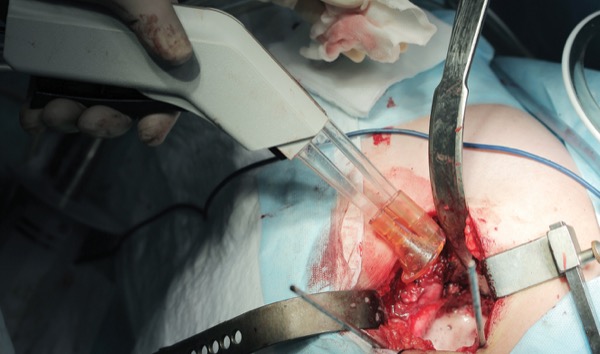
As adherence to the SAP bundle increased from 67.1% in 2019 to 82.2% in 2023, SSI rates decreased for hip (32.8%) and knee (15.2%) arthroplasty procedures, as well as for colorectal surgeries (17.4%). Ms. D’Souza and colleagues reported that cases compliant with preoperative antimicrobial prophylaxis were associated with a 0.88% decrease in mortality rate, a 2.33-day reduction in the average LOS and a 3.15% decrease in the readmission rate.
“By impacting the length of stay and readmission rates, we are effectively reducing the likelihood that our patients will be impacted by other adverse hospital-acquired patient complications such as pressure ulcers, deep vein thrombosis, falls and other healthcare-associated infections, all of which can adversely affect their quality of life,” Ms. D’Souza said.
Banner’s SSI bundle consists of core bundled interventions and procedure-specific elements (see box). Although many elements of the bundle are used universally in SSI prevention, including chlorhexidine and alcohol-based skin preparation and perioperative glycemic control, there are a few unconventional additions, according to Heather Evans, MD, MS, the chief of surgery at the Ralph H. Johnson VA Medical Center, in Charleston, S.C.
The Banner SSI Bundle
The Banner bundle consists of the following core bundled interventions and supplemental interventions that are procedure specific:
Core SSI bundle elements: CHG preoperative body wipes, chlorhexidine and alcohol-based skin preparation; hair removal method standardization (clippers, hair removed in preoperative department); preoperative antimicrobial prophylaxis guidelines (appropriate dose, choice, timing and redosing of antibiotic); maintaining normothermia with active warming methods (warmed IV fluids, warm forced air to keep body temperatures >36° C); perioperative glycemic control and postoperative oxygenation.
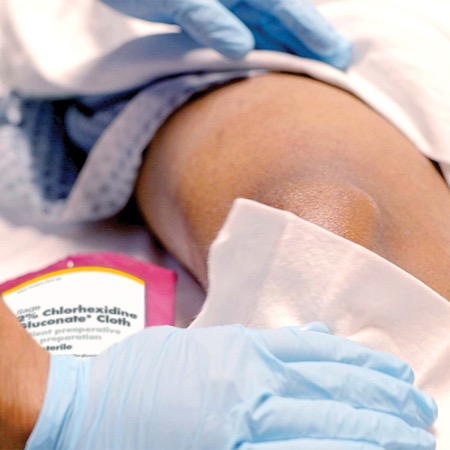
Supplemental procedure-specific bundle elements (for the following procedure types in addition to the above core SSI bundle elements):
- Colorectal surgery bundle: Use of silver dressings, new sterile closing instruments/tray, gown and glove changes, combined oral and mechanical bowel prep for elective procedures and wound protectors.
- Abdominal hysterectomy bundle: Vaginal preparation with povidone-iodine or CHG; use of new sterile closing instruments/tray; gown and glove changes.
- Orthopedic bundle: Use of silver dressings; nasal decolonization; povidone-iodine irrigation of the surgical wound prior to closure; traffic restriction and control during the procedure.
“My first reaction to the core bundle is that there isn’t really anything terribly surprising about this, but there are a couple things that are more controversial than others, including the postoperative oxygenation and hair removal in the preoperative area, because some of these elements are things that haven’t been adopted in every facility,” said Dr. Evans, who was not associated with the study. She also considers the use of silver dressings in colorectal and orthopedic surgery bundles, as well as povidone-iodine irrigation of the surgical wound prior to closure in the orthopedic bundle, “interesting” as they are not frequently included in SSI bundles.
Although Ms. D’Souza emphasized that the SAP component of the SSI bundle was the major driver for improvements in SSI outcomes, one limitation of the study is verifying that these reductions in infection, mortality, readmission and LOS stay were due to the SAP emphasis.
“We monitored and measured the overall surgical antimicrobial prophylaxis bundle, but also monitored adherence to the appropriate selection of preoperative antibiotics, dose, administration times and redose. Starting from a baseline of 67.1% in 2019, adherence to this process measure increased to 82.2% by 2023,” Ms. D’Souza said.
“Bundled process improvement and interventions, when employed, demonstrate benefit from the synergistic effects of multiple strategies decreasing the outcome rate of SSI as compared with a single intervention. It is challenging to tease out the direct impact that this one intervention has made,” Ms. D’Souza said.
Dr. Evans added that perhaps the efficacy of bundles, such as Banner Health’s SSI bundle, stems not from an individual element but rather from emphasis on the collective, intentional effort of the surgical team to minimize infections.
“The culture we have in the operating room is that we’re doing everything we can every step of the way to try to decrease the patient’s risk of developing a SSI,” Dr. Evans said. “I think it’s that consciousness of every element, not just of the bundle, but of the patient’s care that seems to be making the difference, because there is something powerful about having a group of people that are all with a shared purpose.”
APIC 24 was sponsored by the Association for Professionals in Infection Control and Epidemiology.
The sources reported no relevant financial disclosures.

This article is from the August 2024 print issue.