By Meaghan Lee Callaghan
Chlamydia trachomatis can cause long-term health complications, especially in women. Currently, the only preventative is behavioral changes, specifically safe sex practices.
However, new, early research is starting to lay the groundwork for a vaccine. Study author Aakash Bhardwaj, a research technician at the University of North Carolina at Chapel Hill, told Infectious Disease Special Edition that his team’s work has identified targets that could help prevent C. trachomatis from spreading into endometrium, where it does major damage.
It's early days yet, but one day, a vaccine may be able to prevent the worst complications, like ectopic pregnancy and infertility.
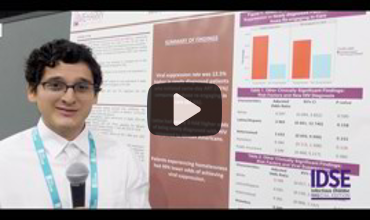
Mr. Bhardwaj’s work, a poster titled “microRNA and Messenger RNA Analyses Suggest TGF-ß Pathways Drive Epithelial-Mesenchymal Transition and Regulatory T Cell Differentiation in the Endometrium of Chlamydia trachomatis-Infected Women,” was presented Friday, June 20 at ASM Microbe 2025.