

By IDSE News Staff
Chad eliminated the gambiense form of human African trypanosomiasis (HAT) as a public health problem, and is the 51st country to be recognized by the WHO for eliminating a neglected tropical disease. The global goal is to eliminate neglected tropical diseases (NTDs) in 100 countries by 2030.
“I congratulate the government and the people of Chad for this achievement. It is great to see Chad join the growing group of countries that have eliminated at least one NTD. The 100-country target is nearer and within reach,” said Tedros Adhanom Ghebreyesus, MD, the WHO director-general.
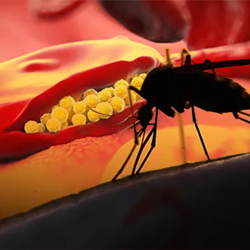
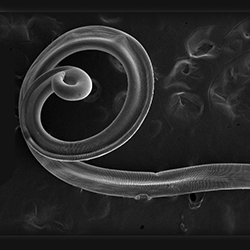
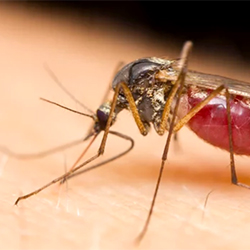
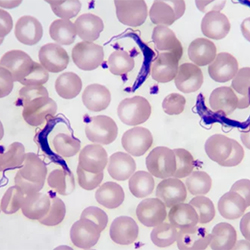
HAT, also known as sleeping sickness, is a vector-borne parasitic disease caused by the Trypanosoma parasite. These parasites are passed to humans through the bite of infected tsetse flies, which get the infection from humans or animals carrying the parasites. There are two forms of the disease: one caused by T. brucei gambiense, found in 24 countries in West and Central Africa, accounting for more than 92% of cases. The gambiense form is the only form of HAT transmitted in Chad. The remaining cases are caused by T. brucei rhodesiense found in 13 countries in East and Southern Africa.
The main approaches to controlling sleeping sickness include reducing the reservoirs of infection and the presence of tsetse flies. Screening people at risk helps identify patients earlier, which can help avoid complicated and risky treatments in the advanced stages, significantly improving the prognosis for a cure.
So far, seven countries have been validated by the WHO for eliminating the gambiense form of HAT: Togo (2020), Benin (2021), Côte d’Ivoire (2021), Uganda (2022), Equatorial Guinea (2022), Ghana (2023) and Chad (2024). The rhodesiense form of the disease has been eliminated as a public health problem in one country, Rwanda, as validated by the WHO in 2022.
As of June 2024, across the WHO African region, 20 countries have eliminated at least one NTD, with Togo having eliminated four diseases and Benin and Ghana having eliminated three each.