





By IDSE News Staff
Swissmedic approved artemether-lumefantrine (Coartem Baby, Novartis) as the first malaria medicine for newborns and young infants. The new treatment, also known as Riamet Baby in some countries, was developed with Medicines for Malaria Venture (MMV) to treat the potentially deadly mosquito-borne disease.
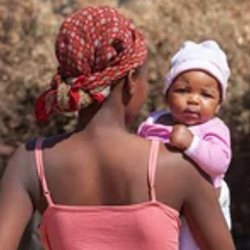
The Swissmedic approval is based on the phase 2/3 CALINA study, which investigated a new ratio and dose of artemether-lumefantrine to account for metabolic differences in babies less than 5 kg. It is indicated for the treatment of infants and neonates weighing between 2 and less than 5 kg with acute, uncomplicated infections due to Plasmodium falciparum or mixed infections including P. falciparum.
Eight African countries also participated in the assessment and are now expected to issue rapid approvals under the Swiss agency’s Marketing Authorisation for Global Health Products procedure. Novartis plans to introduce the infant-friendly treatment on a largely not-for-profit basis to increase access in areas where malaria is endemic.
“For more than three decades, we have stayed the course in the fight against malaria, working relentlessly to deliver scientific breakthroughs where they are needed most,” said Vas Narasimhan, the CEO of Novartis. “Together with our partners, we are proud to have gone further to develop the first clinically proven malaria treatment for newborns and young babies, ensuring even the smallest and most vulnerable can finally receive the care they deserve.”
Until now, there has been no approved malaria treatment for infants weighing less than 4.5 kg, leaving a treatment gap. They have instead been treated with formulations intended for use in older children, which may increase the risk for overdose and toxicity. Malaria vaccines are also not approved for the youngest babies.
An estimated 30 million babies are born in areas of malaria risk in Africa every year, with one large survey across West Africa reporting infections ranging between 3.4% and 18.4% in infants younger than 6 months old (Emerg Infect Dis 2015;21[7]:1114-1121). However, current data on malaria in young babies are extremely limited, as they are rarely included in clinical trials of antimalarial agents.
“The available malaria treatments have only been properly tested in children aged at least 6 months because smaller infants are usually excluded from treatment trials,” said Umberto D'Alessandro, PhD, MSc, the director of the MRC Unit, The Gambia at the London School of Hygiene and Tropical Medicine. “That matters because neonates and young infants have immature liver function and metabolize some medicines differently, so the dose for older children may not be appropriate for small babies.”
The new dose strength designed for young infants was developed by Novartis with the scientific and financial support of MMV, and as part of the? PAMAfrica consortium, which is co-funded by the European & Developing Countries Clinical Trials Partnership and the Swedish International Development Cooperation Agency. The treatment is dissolvable, including in breast milk, and has a sweet cherry flavor for easier administration.
According to the most recent WHO data, there were 263 million cases of malaria and 597,000 deaths in 2023, almost all of them in Africa. Children younger than 5 years of age accounted for about 3 in 4 malaria deaths in the region.
From company press materials.