





Despite systematic screening, less than one-fourth of eligible infants received nirsevimab (Beyfortus, Sanofi) while hospitalized during the 2024-2025 respiratory syncytial virus (RSV) season, according to a new single-center study.
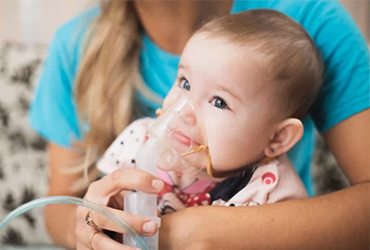
“My colleagues and I anticipated there would be a significant number of infants eligible to receive nirsevimab during the 2024-2025 RSV season during their admission to our facility,” said Jeni Burgess, PharmD, BCPS, BCPPS, a pediatric antimicrobial stewardship pharmacist at Upstate Golisano Children’s Hospital, in Syracuse, New York. “Nirsevimab was still new to the market and had been on shortage the previous RSV season in 2023-2024. Additionally, many outpatient providers in our geographical area were not planning on stocking nirsevimab. We thought systematic screening for eligible patients during a healthcare encounter would be an effective way to increase immunization.”
Only 23% Immunized
To assess inpatient uptake, the researchers systematically screened all hospitalized patients younger than 8 months of age for eligibility. Criteria included no prior nirsevimab administration and no maternal RSV immunization with Abrysvo (Pfizer) during pregnancy.
Of the 263 admissions reviewed, 43% (n=112) met the eligibility criteria. Among these, only 23% (n=26) received nirsevimab during hospitalization. The institution’s direct drug acquisition cost for immunizing these patients was approximately $12,220 ($470 per syringe). RSV was more frequently detected on admission in infants who had not received nirsevimab or maternal vaccination.
Better Logistics
Eligibility declined as the season progressed, reflecting increased outpatient uptake and maternal immunization.
“There were several barriers that we hope to overcome in the future,” Dr. Burgess said. “Specifically, addressing immunization earlier in the admission process. We would often get authorization from the primary team and family acceptance, but it was addressed near discharge, and the patient would leave without the immunization.”
Dr. Burgess noted that additionally, many non-hospitalist primary services were hesitant to give nirsevimab and wanted to defer to the primary care physician.
“Therefore, if instituting this initiative, we would recommend thoughtful logistical planning for administration early in admission and providing education to all services that may be responsible for administering nirsevimab to increase acceptance,” she said. “In the future, we hope to address the barriers that would increase the acceptance of the recommendation and investigate if adding [Vaccines For Children] to our inpatient facility would help to expand access to more patients.”
Dr. Burgess, who presented her study as poster 21 OR during MAD-ID 2025, reported no relevant financial disclosures.