

By Ethan Covey
Interim data from the CDC show that nirsevimab-alip (Beyfortus, Sanofi) is highly effective in reducing infants’ risk for hospitalization for respiratory syncytial virus (RSV) infection.
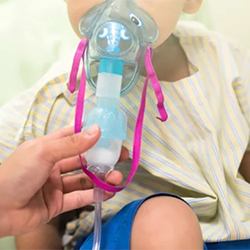
Nirsevimab, a long-acting monoclonal antibody, was recommended by the CDC’s Advisory Committee on Immunization Practices (ACIP) in August 2023, to protect infants ages 8 months and younger against RSV-associated lower respiratory tract infection during their first RSV season. Currently, RSV is the leading cause of hospitalization among infants living in the United States (MMWR Morb Mortal Wkly Rep 2024;73:209-214).
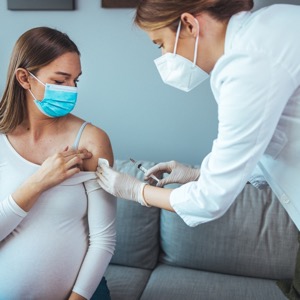
“This [study] supports CDC’s recommendation to protect babies in their first RSV season by either giving the infant nirsevimab or giving the RSV vaccine [Abrysvo, Pfizer] to the mother,” said Heidi L. Moline, MD, a medical epidemiologist at the CDC. “While the 2023-2024 RSV season is nearing an end, to protect babies during RSV season, RSV preventive antibodies are recommended between October and March.”
Data for the study came from the New Vaccine Surveillance Network (NVSN) and focused on the effectiveness of nirsevimab against RSV-associated hospitalization among infants in their first RSV season from Oct. 1, 2023 through Feb. 29, 2024.
A total of 699 infants met the inclusion criteria: 58% were case patients who received a positive RSV test result and 42% were RSV-negative controls. Overall effectiveness of nirsevimab in preventing RSV-associated hospitalization was 90%.
Dr. Moline suggested that more research is needed to answer remaining questions about nirsevimab.
“The findings in this report have limitations, including a small number of infants receiving the vaccine, delayed availability and lack of data on dosage. The effectiveness was only measured for preventing RSV-related hospitalizations, not outpatient or emergency visits; additional studies are warranted to assess nirsevimab effectiveness against these outcomes.”
She added: “Additionally, estimating effectiveness under real-world conditions for the full duration of an RSV season and in children aged 8 to 19 months at high risk for severe RSV disease who are recommended to receive nirsevimab before their second RSV season remains important Thus, CDC will continue to monitor nirsevimab effectiveness.”
Dr. Moline reported no relevant financial disclosures.