By Ethan Covey
Infant hospitalization associated with respiratory syncytial virus fell sharply during the first virus season after the introduction of RSV prevention products, the maternal RSV vaccine Abrysvo (Pfizer) and the long-acting RSV antibody nirsevimab (Beyfortus, AstraZeneca), according to a new report (MMWR Morb Mortal Wkly Rep 2025;74[16]:273-281).
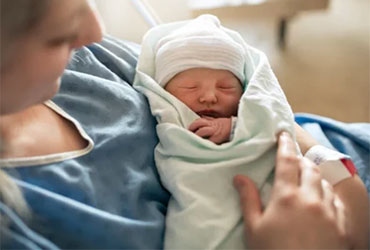
RSV is the leading cause of hospitalization among U.S. infants, and young infants are at highest risk for severe disease requiring hospitalization or ICU admission. Both vaccines reduce the risk for severe illness in infants and young children.
“This is the first report of pediatric RSV hospitalization rates following the introduction of maternal and infant RSV prevention products in 2023,” said first author Monica E. Patton, MD, a medical epidemiologist with the CDC’s National Center for Immunization and Respiratory Diseases.
“Studies from several European countries showed that infant RSV hospitalizations decreased after achieving high coverage with one or both of these products,” Dr. Patton said. “We conducted this review to assess if similar decreases in infant RSV hospitalizations occurred in the U.S. in the 2024-25 RSV season, the first RSV season when these products were widely available and used.”
Keeping Infants Out of the Hospital
Using data from two national respiratory illness surveillance networks—the RSV-Associated Hospitalization Surveillance Network (RSV-NET) and New Vaccine Surveillance Network (NVSN)—the researchers found that RSV hospitalization rates in infants who were eligible for protection from either maternal RSV vaccine or nirsevimab were markedly reduced in 2024-2025 compared with the 2018-2020 seasons before product introduction. Estimated hospitalization rate reductions of 43% occurred in RSV-NET, and 28% in NVSN.
Of note, reductions in hospitalization rates were greatest in the youngest infants aged 0 to 2 months, the group at highest risk for hospitalization. The largest monthly reductions occurred during peak hospitalization periods.
“The findings that the greatest reductions in RSV hospitalization rates occurred during the months with peak hospitalizations reinforced what we already know: Infants benefit most when they are protected before RSV begins to surge,” Dr. Patton said.
The CDC recommends that infants and some young children receive RSV immunizations to protect them from serious illness, and the agency advises that pregnant people and parents should talk to their healthcare providers about their options to protect their babies from RSV.
Dr. Patton stressed the importance of continued surveillance efforts to stay on top of trends regarding RSV and the products approved to prevent it.
“Ongoing surveillance of RSV infections, hospitalizations and use of prevention products is essential to monitor the impact of these interventions and to detect shifts in RSV circulation to inform public health recommendations,” she said.
Dr. Patton reported no relevant financial disclosures.