By Marie Rosenthal, MS
Two Louisiana infants recently died from pertussis as cases continue to climb in the state and throughout the country, according to Louisiana Surgeon General Ralph Abraham, MD.

“The department can confirm that two young infants within Louisiana have died from pertussis within the past six months. Prior to the tragic deaths of these two infants, the last infant death due to pertussis in Louisiana occurred in 2018,” Dr. Abraham posted on Facebook.
As of March 27, Louisiana had identified 110 cases of the disease, he said, adding that the Louisiana Department of Health is closely monitoring the increased pertussis activity.
Cases are also rising nationally. So far, this year has seen an estimated 6,600 cases of pertussis, more than four times the number at this point in 2024 (BMJ 2025;389:r704. https://www.bmj.com/content/389/bmj.r704).
Preliminary data show that in 2024, there were 35,435 cases of pertussis—six times higher than the previous year, which had 7,063 cases. There were 10 deaths, mostly among infants younger than 12 months.
The number of reported cases in 2024 was higher than for 2019, prior to the COVID-19 pandemic.
Before the introduction of the diphtheria-tetanus-acellular pertussis (DTaP) vaccine, incidence routinely numbered around 100,000-plus every year.
After vaccination was introduced, cases fell sharply, decreasing by almost 90% each year. In 1976, there were only 1,010 cases reported.
COVID-19 with its mitigation measures, such as masking and remote learning, during the pandemic likely led to a large decrease in cases, according to the CDC, but cases have been increasing in recent years. Reports of pertussis cases were lower than usual over the past few years, during and following the COVID-19 pandemic.
The CDC suggested that public health officials consider active screening for potential pertussis cases during an outbreak. The main goals of active screening are to:
- reduce exposure to people with whooping cough;
- encourage timely medical evaluation and treatment;
- promote prompt use of preventive antibiotics as appropriate; and
- protect those at highest risk for serious illness.
During outbreaks, public health authorities should focus on protecting people with the highest risk for serious illness. Key strategies focus on vaccination and preventive antibiotics for these high-risk groups and people who are around them, according to the CDC.
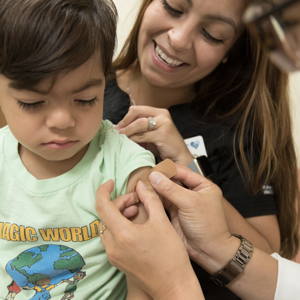
Vaccination is the best way to prevent pertussis, the agency said.
“Anyone who is up-to-date with their pertussis vaccine is well protected against the virus,” Dr. Abraham said.