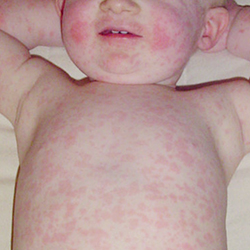
Young children who are hospitalized with lower respiratory infections (LRIs) caused by respiratory syncytial virus (RSV) require readmission more frequently than those with other LRIs, such as influenza virus and human metapneumovirus (hMPV).
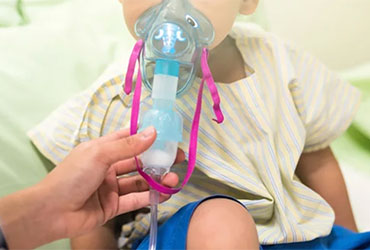
These findings, published in the Journal of the Pediatric Infectious Diseases Society, highlight that RSV is an independent and distinct risk factor for subsequent respiratory morbidity in young children (2025;14[5]:piaf036).
“Admissions and readmissions for common pediatric illnesses, such as bronchiolitis, have long been a focus of quality improvement initiatives by programs like the Pediatric Quality Measures Program of Medicare & Medicaid Services and the Agency for Healthcare Research [and Quality],” said lead researcher Yoonyoung Choi, PhD, a pharmacoepidemiologist and pharmacist in the Department of Outcomes Research at Merck, which produces a monoclonal antibody for the prevention of RSV in infants. “These efforts have led to the development of care models aimed at reducing readmissions among children previously hospitalized with LRI and bronchiolitis.”
The study contributes significantly to this field by being one of the few to specifically evaluate hospital readmissions after LRI hospitalization caused by RSV, compared with other common respiratory viruses.
Readmissions More Frequent, Earlier
The prospective study included data on children younger than 5 years of age who were hospitalized with laboratory-confirmed RSV at two hospitals in Salt Lake City, from Oct. 31, 2019, to April 30, 2022.
The findings revealed that all-cause readmissions were common across RSV, influenza and hMPV hospitalizations, with rates ranging from 19% to 30% within 1.5 years post-discharge.
Of note, respiratory-related readmissions were more frequent and occurred earlier among children hospitalized with RSV. For example, the 30-day respiratory-related readmission rate for RSV was 6.3%, whereas no such early readmissions were observed for influenza or hMPV. Moreover, respiratory-related readmissions among RSV cases increased progressively to 16.8% at 1.5 years post-discharge, substantially higher than the rates for influenza (7%) and hMPV (5.9%) at the same time point.
“Our data demonstrate that RSV LRI hospitalization is associated with a significantly increased hazard of respiratory-related readmission—3.62 times higher than IV [influenza virus] (95% CI, 1.13-11.64) and 3.56 times higher than hMPV (95% CI, 1.14-11.06)—highlighting RSV as an independent and distinct risk factor for subsequent respiratory morbidity in young children,” Dr. Choi said.
RSV Prevention Is Key
While Dr. Choi noted that the underlying differences in pathogenesis between RSV and other LRIs are not completely understood, the findings underscore the unique and substantial burden RSV places on pediatric health.
“This evidence reinforces the critical need for effective prevention strategies, including the use of RSV monoclonal antibodies and maternal vaccines, to reduce RSV-related hospitalizations and their long-term respiratory consequences,” she said.
Searching for Mechanisms
Although the study highlights important differences in the clinical outcomes, several other questions remain. Why does RSV cause worse outcomes?
“Insights from animal studies we reviewed provide some clues to the biological mechanisms underlying these differences,” Dr. Choi said. “For example, in mice infected with RSV and hMPV, RSV replicated to higher titers in both the lungs and upper respiratory tract, while virus clearance from the lungs occurred more rapidly in hMPV-infected mice. Although both infections showed similar recruitment of T lymphocytes—predominantly IFN [interferon]-gamma–producing CD8+ T cells—distinct differences were observed in the innate immune response. hMPV infection was associated with increased neutrophil infiltration and greater activation of natural killer cells compared to RSV, correlating with elevated levels of inflammatory cytokines such as IL-6 [interleukin-6], TNF-alpha [tumor necrosis factor–alpha] and MCP-1 [monocyte chemoattractant protein-1], and possibly contributing to earlier viral clearance.”
These findings, Dr. Choi said, suggest that the differential immune responses to RSV and other LRIs may play a key role in the prolonged respiratory morbidity observed after RSV hospitalization. However, we still do not know the precise mechanisms.
“Future research focused on elucidating these mechanisms—particularly the interplay between viral replication dynamics, immune response profiles and lung tissue recovery—would be invaluable,” she said. “Such studies could inform targeted interventions to mitigate the extended respiratory risks associated with RSV and improve clinical outcomes for affected children.”
Dr. Choi reported being an employee of and a shareholder with stock options in Merck.