Originally published by our sister publication Pharmacy Practice News
By Gina Shaw
A federal judge has ordered the HHS, CDC and FDA to restore their web sites and datasets to Jan. 30, 2025 versions, in response to a lawsuit filed by Doctors for America after information on the sites mentioning HIV care and other targeted topics was deleted under an order from Trump administration officials.
In the order, issued midday on Feb. 11, Judge John Bates ordered that “each website and dataset identified by Plaintiff” should be restored by no later than 11:59 p.m. that day. Additionally, Judge Bates ordered HHS, CDC and FDA to consult with DFA to identify any other resources that its members rely on to provide medical care that were removed or substantially modified, and restore those resources by Feb. 14.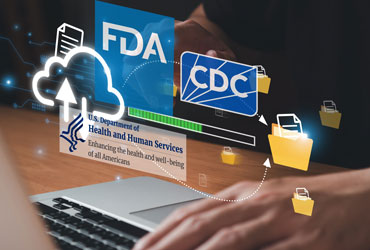
In its complaint, DFA argued that removal of key webpages and data sets creates a dangerous gap in the scientific data available to monitor and respond to disease outbreaks, deprives physicians of resources that guide clinical practice, and takes away key resources for communicating and engaging with patients.
DFA outlined a host of specific resources that clinicians and researchers have relied on that had been removed, including the CDC’s HIV monitoring webpages, the latest report on pre-exposure prophylaxis (PrEP) for the prevention of HIV infection in the United States, and contraceptive guidance for healthcare providers.
It also pointed to several FDA resources that were removed, including the FDA’s “Diversity Action Plans to Improve Enrollment of Participants from Underrepresented Populations in Clinical Studies” and “Study of Sex Differences in the Clinical Evaluation of Medical Products,” which recommended the inclusion of more women and underrepresented groups in clinical trials.
Judge Bates found that the plaintiffs were likely to succeed in their claims that the agencies acted unlawfully by removing medical information from public-facing websites.
“Finally, it bears emphasizing who ultimately [experiences] the harm of defendants' actions: everyday Americans, and most acutely, underprivileged Americans, seeking healthcare,” Judge Bates wrote in an accompanying memorandum. “If those doctors cannot provide these individuals the care they need (and deserve) within the scheduled and often limited time frame, there is a chance that some individuals will not receive treatment, including for severe, life-threatening conditions.”
As for any potential harm the order might cause to the defendants, “[they] face a minimal burden if required to restore the public’s access to resources, many of which defendants made public for many years,” the judge added.
Reshma Ramachandran, MD, an assistant professor of medicine at Yale School of Medicine, in New Haven, Conn., and a member of the board of directors of DFA, praised the ruling. “I’m relieved to see these pages reinstated, even temporarily,” she told Pharmacy Practice News. “This is not only a victory for doctors and researchers, but also patients who only benefit from being provided evidence-based care and their public health protected through access to the information available on these pages. We will continue to fight to have these pages reinstated permanently.”
The writer reached out to all the agencies for comment on the ruling. None responded as of Feb. 12.