By IDSE News Staff
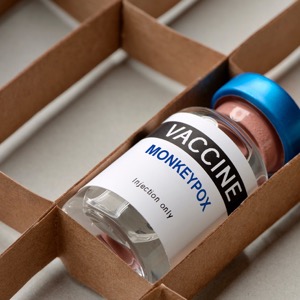
The FDA issued an emergency use authorization (EUA) for the modified vaccinia Ankara vaccine (MVA; Jynneos, Bavarian Nordic) to allow healthcare providers to use the vaccine by intradermal injection for people who are 18 years of age and older who are determined to be at high risk for monkeypox infection. This will increase the amount of vaccine because intradermal injections require a smaller dose than subcutaneous injections, the agency said.
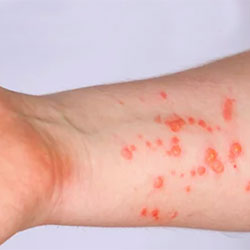
As of Aug. 9, there were almost 10,000 cases of monkeypox reported in the United States, according to the CDC.
This will increase the total number of doses available for use by up to fivefold, the agency said. The EUA also allows for use of the vaccine in those younger than 18 years of age determined to be at high risk for monkeypox infection; in these individuals, MVA is administered by subcutaneous injection, however.
“In recent weeks the monkeypox virus has continued to spread at a rate that has made it clear our current vaccine supply will not meet the current demand,” said FDA Commissioner Robert M. Califf, MD. “The FDA quickly explored other scientifically appropriate options to facilitate access to the vaccine for all impacted individuals. By increasing the number of available doses, more individuals who want to be vaccinated against monkeypox will now have the opportunity to do so.”
The FDA approved the MVA vaccine in 2019 for the prevention of smallpox and monkeypox disease in adults who are 18 years of age and older determined to be at high risk for either infection. MVA is administered subcutaneously as two doses, 28 days apart. For people who are 18 years of age and older determined to be at high risk for monkeypox infection, the EUA now allows for a fraction of the MVA dose to be administered intradermally. Two doses of the vaccine given 28 days apart will still be needed. There are no data available to indicate that one dose of MVA will provide long-lasting protection, which will be needed to control the current monkeypox outbreak.
Data from a 2015 clinical study of the MVA vaccine evaluated a two-dose series given intradermally compared with subcutaneously. Individuals who received the vaccine intradermally received one-fifth the dose of those who received the vaccine subcutaneously. The results of this study demonstrated that intradermal administration produced a similar immune response to subcutaneous administration. Administration by the intradermal route resulted in more redness, firmness, itchiness and swelling at the injection site, but less pain, and these side effects were manageable. The FDA has determined that the known and potential benefits of MVA outweigh the known and potential risks for the authorized uses.
To support the FDA’s authorization of two doses of MVA administered by the subcutaneous route of administration in individuals younger than 18 years of age, the FDA considered the available MVA safety and immune response data in adults as well as the historical data with use of live vaccinia virus smallpox vaccine in pediatric populations.
MVA has been tested in people with immunocompromising conditions and has been found to be safe and effective in the trials that were performed to support approval. It was initially developed specifically as an alternative for use in immunocompromised individuals in the event of a smallpox outbreak.