





By Ethan Covey
Global progress toward measles elimination is at risk, as rising outbreaks expose widening gaps in immunization coverage, according to the WHO. This comes despite decades of gains, and the existence of a safe, highly effective vaccine.
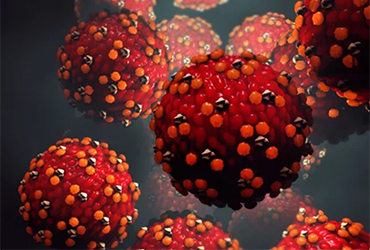
These findings were released today in the WHO’s Immunization Agenda 2030 (IA2030) midterm review. Included in the report are both the successes and failures of current efforts to rid the globe of measles.
The Successes
Ninety-six countries have now achieved or sustained measles elimination, including several recently verified island nations and, for the first time, three countries in the WHO African Region. Measles deaths have fallen by 88% since 2000—from about 780,000 to 95,000 in 2024—and vaccination is estimated to have prevented 59 million deaths over that period.
The Failures
Yet the virus continues to exploit coverage gaps. In 2024, an estimated 11 million people worldwide were infected with measles, nearly 800,000 more than in 2019. Most recorded deaths occurred in children younger than 5 years of age, with 80% in the African and Eastern Mediterranean regions.
Globally, only 84% of children received a first measles dose in 2024 and 76% a second dose, leaving roughly 30 million children under-protected, three-quarters of whom are in Africa and the Eastern Mediterranean and disproportionately live in fragile or conflict-affected settings.
In 2024, 59 countries experienced large and/or disruptive measles outbreaks, nearly three times the number WHO anticipated, and a quarter of which occurred in countries that had previously been declared measles-free.
“Since 2000, we have made measurable progress towards measles elimination, and there are important achievements to share,” said Diana Chang Blanc, MPH, the unit head of the Expanded Programme on Immunization at the WHO. “Nevertheless, progress against measles elimination is still too slow. Cases and deaths are still unacceptably high, particularly given that we have a safe, effective, and inexpensive vaccine that has been in use for decades.”
The Consequences of Measles
“Measles remains one of the most contagious respiratory viruses in the world,” said Kate O’Brien, MD, the director of the Department of Immunization, Vaccines and Biologicals at the WHO.
“One person with measles can infect up to 18 others, including their schoolmates, loved ones, and neighbors if those people are unimmunized or otherwise not immune.”
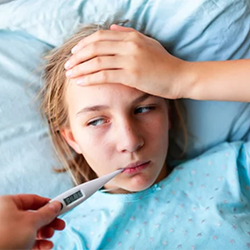
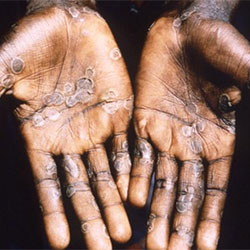
One in five infected children is hospitalized, and complications can include brain infection, permanent brain damage, deafness, blindness, and prolonged immune suppression that leaves children vulnerable to other life-threatening infections.
“But no child needs to suffer the consequences of measles,” Dr. O’Brien emphasized. “It is completely preventable, with two doses of the safe and highly effective vaccine.”
Over the past 25 years, global measles and rubella immunization efforts have “transformed the global health landscape,” with support from the Measles & Rubella Partnership helping countries expand vaccine access. Since 2000, nearly 59 million lives are estimated to have been saved, and the measles vaccine “has saved more lives than any other childhood immunization in the past 50 years,” said Dr. O’Brien.
Related Content

‘A Fire Alarm for Immunization Programs’
At the same time, measles serves as a critical barometer of broader immunization and health-system performance.
“Measles acts like a fire alarm for immunization programs,” Dr. O’Brien said. Because of its extreme transmissibility, “even small drops in vaccine coverage can trigger outbreaks, like a fire alarm going off when smoke is detected.”
Resurgences of measles, she said, signal under-immunized communities, health system inequities, and weaknesses in disease surveillance, and they indicate that similar gaps likely exist for other vaccine-preventable diseases such as diphtheria, whooping cough, and polio.
Looking ahead, Dr. O’Brien stated that 2025 continues to be “a crucial year” into 2026 and called for renewed urgency in the fight against measles. The goal, she stressed, is “securing equitable sustained protection from measles and rubella for children around the world.”
The sources reported no relevant financial disclosures.