

By Ethan Covey
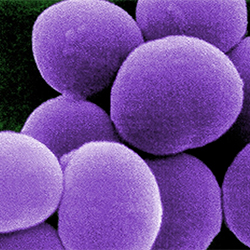
The 16th confirmed case of vancomycin-resistant Staphylococcus aureus (VRSA) in the United States offers new information regarding the risks posed by the drug-resistant infection (Emerg Infect Dis 2025;31[1]:194-196).
“This report identified VRSA in a different strain of S. aureus from previous VRSA cases and in a new geographic location—the southern U.S.,” said Jennifer MacFarquhar, MPH, BSN, RN, CIC, a CDC epidemiologist.
The case occurred in a 55-year-old man who had a history of several chronic diseases, including type 2 diabetes, as well as methicillin-resistant S. aureus and vancomycin-resistant Enterococcus infections. The VRSA infection was identified in a wound following extensive healthcare contact, including hospital and skilled nursing facility admissions. The VRSA was susceptible to multiple other antibiotics, and the patient was treated successfully.
The CDC investigation identified minimal infection prevention and control gaps at the acute care hospital and wound care clinic where the patient was seen. However, inappropriate use or absence of personal protective equipment, low adherence to hand hygiene, poor wound care technique, inability to outline cleaning and disinfection protocols, and crowded/cramped spaces with minimal access to hand hygiene stations were observed in the skilled nursing facility where the patient stayed.
“As in prior VRSA case investigations, we did not identify transmission,” Ms. MacFarquhar said. “Our finding highlights the potential for VRSA to emerge in different S. aureus genetic backgrounds and the importance of VRSA identification and prompt reporting. While we did not identify transmission in this circumstance, understanding the stability of vanA, the gene causing vancomycin resistance, in different S. aureus strain backgrounds may help us understand the potential for transmission and spread of VRSA.”
“While in this case, as with many other reported cases, no person-to-person spread was identified, CDC recommends a public health response to each confirmed case due to the potential for transmission and the serious clinical implications of widespread resistance to vancomycin in S. aureus,” said Gabriel Alvarado, a CDC spokesperson.
“CDC recommends a public health response to each confirmed case due to the potential for transmission and the serious clinical implications of widespread resistance to vancomycin in S. aureus,” Ms. MacFarquhar added. “[In addition,] CDC recommends following good hand hygiene practices, appropriate vaccination schedules and wise use of antibiotics under the direction of a healthcare provider to prevent acquisition or spread of antimicrobial resistant organisms, including VRSA.”
The sources reported no relevant financial disclosures.