






Mutations in two positions of an rRNA gene can predict phenotypic erythromycin (ERY) resistance in Campylobacter isolates, according to a study reported at ASM Microbe, in Atlanta.
“Campylobacter species are among the most common causes of bacterial gastroenteritis [and] increasing rates of macrolide resistance are observed in these species,” the authors wrote.
A total of 109 human Campylobacter isolates sourced from Mayo Clinic (n=41) and the Minnesota Department of Health (n=68) were tested. They included 66 C. jejuni, 41 C. coli and two C. upsaliensis isolates.
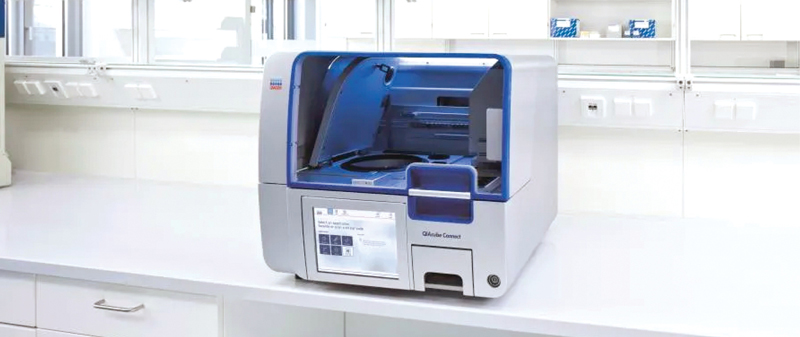
DNA extraction was done using Maxwell 16 Cell DNA Purification Kits (Promega). Isolates from Mayo Clinic were prepared using NEBNext Ultra II kits (New England Biolabs) and sequenced using NextSeq P1 (Illumina). Data were analyzed with the CLC Main Workbench v23.0.5 (Qiagen). The Minnesota isolates were extracted using the QIAcube Classic (Qiagen) or MagnaPure LC (Roche), and were prepared with Nextera XT or DNA Prep kits followed by MiSeq sequencing.
Sixty-eight isolates (46 C. jejuni and 22 C. coli) were phenotypically ERY-resistant. They found 23S rRNA gene mutations at position 2075 in 97% of ERY-resistant isolates. Two C. upsaliensis isolates also had ERY minimum inhibitory concentrations (MICs) of 16 mcg/mL or higher with mutations in either position 2074 or 2075.
“Results of this study show that phenotypic ERY resistance can be predicted by analyzing mutations in the 23S ribosomal RNA gene at positions 2074 and 2075 in C. jejuni and C. coli, and suggest that this may generalize to C. upsaliensis,” the authors concluded.
ESBL Susceptibility Phenotype Not Correlated With Detection of ESBL Gene
Most high-risk chromosomal ampC Enterobacterales isolates with a ceftriaxone-resistant/cefepime-susceptible phenotype did not harbor an extended-spectrum beta-lactamase (ESBL) genotype, according to researchers affiliated with Tampa General Hospital and the University of South Florida Morsani College of Medicine.
“Additional testing is needed to differentiate ampC expression versus ESBL coproduction for high-risk ampC inducible bacteria (e.g., Enterobacter cloacae complex [ECC], Klebsiella aerogenes, and Citrobacter freundii complex) that display a phenotype of ceftriaxone resistant and cefepime susceptible,” the researchers wrote in a poster reported at ASM Microbe. The study aimed to use a beta-lactamase molecular test, in addition to antibiotic susceptibility phenotypes, to characterize high-risk chromosomal ampC Enterobacterales infections at a large academic medical center.
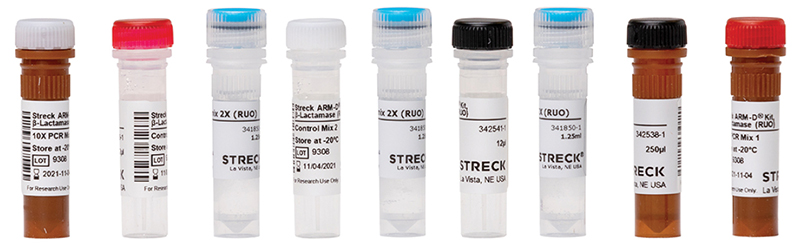
Fifty-seven ceftriaxone-resistant and cefepime-susceptible, high-risk ampC Enterobacterales isolates were enrolled in the study. The test was performed using the Streck ARM-D kit, which is a qualitative real-time polymerase chain reaction (PCR) test for the detection of blaCTX-M-14, blaCTX-M-15, blaCMY-2, blaTEM, blaSHV1 and blaGES.
In total, the 57 isolates were identified as ECC (n=42), K. aerogenes (n=10) and C. freundii complex (n=5). Beta-lactamase genes were detected in seven of the 57 samples. Two isolates each had two ESBL genes detected. While 29 patients had their antibiotic treatment adjusted to a carbapenem, only five of these had ESBL genes that may have warranted the therapeutic switch.
Banana Broth May Simplify C. difficile Testing
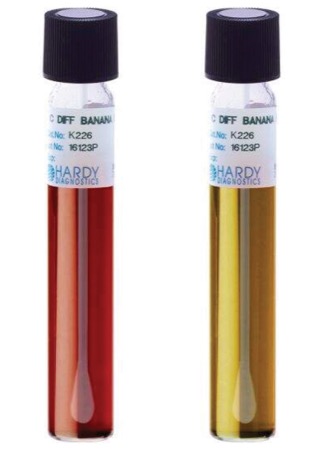
The use of Clostridioides difficile Banana Broth (Hardy Diagnostics) may improve surveillance testing for C. difficile infection, optimizing workflow for C. difficile screening, which would eliminate the need for anaerobic culturing, according to a study presented at ASM Microbe.
“A lack of CD [C. difficile] surveillance programs is a gap in preventing infections and transmission events due to the complexity of anaerobic culture for CD,” wrote the authors of the poster, who are affiliated with the Massachusetts Host-Microbiome Center, Mass General Brigham, Harvard Medical School, in Boston.
To address this issue, the researchers developed an alternative approach to detecting asymptomatic C. difficile, which would be able to be widely implemented across clinical laboratory settings.
To compare the performance of Banana Broth, which turns yellow when a positive reaction occurs, with the hospital’s original anaerobic method, rectal swabs previously identified as C. difficile–positive (n=30) and negative (n=30) were added to tubes containing Banana Broth. The tubes were incubated for 48 hours at 37° C and monitored every day to detect turbidity and note any change to the yellow color.
The sensitivity of Banana Broth was determined to be 100%, specificity 85%, positive-predictive value 83% and negative-predictive value 100%, according to the researchers.
To improve specificity, the researchers tested 40 rectal swabs using Banana Broth plus C. diff Quik Chek Complete (TechLab) and the Xpert C. difficile PCR assay (Cepheid).
There was 93% concordance between the methods, and the optimized testing method detected three additional positive samples.
“Our findings demonstrate the potential use of BB [banana broth] as an alternative selective media for the isolation of CD in a broad range of healthcare facilities,” the researchers wrote.
ACC Marks 50 Years
Associates of Cape Cod Inc., a Seikagaku Group Co., is marking 50 years of innovation with a new brand identity and will now be called ACC.
In 1974, ACC began bacterial endotoxin testing using limulus amebocyte lysate (LAL) from horseshoe crab blood. Approved by the FDA in 1977, this critical process has become the industry’s gold standard. Upholding its brand promise of “Protection Through Detection,” ACC has steadfastly provided high-quality products and services for endotoxin and (1,3)-beta-D-glucan testing. Providing a critical quality-control release test for pharmaceutical injectables, medical devices and renal disease, as well as clinical diagnostic screening to aid in the early diagnosis of invasive fungal infections, ACC has enabled testing that has protected millions of patients.

As ACC honors its historic roots and achievements, it also looks to the future with the PyroSmart NextGen recombinant cascade reagent, a sustainable biotechnology that replicates the LAL enzyme cascade but requires no horseshoe crab blood, demonstrating its commitment to environmental stewardship and innovation.
Considering these milestones, ACC has decided it’s time to step into a new era with a brand identity that reflects its position as a leading biotech company dedicated to innovation, sustainability and safeguarding global health.
“Today is not just about celebrating our history but embracing a future where we continue to innovate responsibly,” said A.J. Meuse, PhD, the president and CEO of ACC. “Our new brand identity reflects our dedication to protecting patients and our respect for the natural world that has enabled our advancements over the last 50 years.”
IMMY Acquires OLM Diagnostics
Immuno-Mycologics Inc., a molecular diagnostic company, recently acquired OLM Diagnostics, based in the United Kingdom.

“This strategic move not only expands our product portfolio for our customers, but also strengthens our commitment to empowering laboratorians and clinicians with cutting-edge tools for precise identification of fungal disease. Together, we embark on a journey fueled by innovation and collaboration, poised to redefine the standards of fungal diagnostics and pave the way for better healthcare outcomes worldwide,” said Sean Bauman, the CEO of IMMY.
The company expects to capitalize on OLM’s robust portfolio and IMMY’s legacy of excellence to provide innovative solutions that blend tradition with modernity, the company said in a statement. The goal is to provide superior quality, foster innovation and make a positive impact on healthcare.
“In our 10-year journey, OLM’s focus on diagnostic innovation for fungal infections, fueled by collaboration and a strong team ethic, has set us apart. Joining IMMY marks an exciting new chapter. We are thrilled to leverage IMMY’s additional resources and capabilities to enhance our product port- folio and expand our molecular diagnostics range in this field. This merger creates a comprehensive portfolio, empowering us to better serve patients in this often overlooked area,” said Ged McGonnell, OLM’s managing director and founder.
Veterinary Labs Aided With Testing During COVID Crunch
In 2020, as COVID-19 strained facilities trained to handle high-throughput polymerase chain reaction testing, a group of workers from five hospitals and clinics located in three rural Georgia counties tested an ambitious approach. They contacted the Tifton Veterinary Diagnostic and Investigational Laboratory (TVDIL) for assistance.
A recent study at ASM Microbe illustrates their success—showing that a veterinary diagnostic laboratory can bridge the gaps if needed to perform this high-throughput testing on human samples.
“From a OneHealth perspective, veterinary diagnostic laboratories contribute to human health and communities every day,” the authors of the study wrote. “In extraordinary times, veterinary diagnostic labs can make further important contributions to the well-being of their communities.”
The organizations contracted with an external Clinical Laboratory Improvement Amendments (CLIA) lab director, who obtained CLIA certification, determined the ideal equipment for the testing (Thermo Fisher Scientific TaqPath COVID-19 Combo kit), and developed procedures to address all requirements for a lab to test human samples. They created an information system interface to receive and test high volumes of samples, prepared and trained staff, and obtained additional instruments to help with the high testing volume.
When COVID-19 test results were often taking more than a week, the approach allowed the clinics to provide an average turnaround time of less than 24 hours. Over 21 months of testing, TVDIL performed 43,498 assays, resulting in 7,028 positive tests.

This article is from the August 2024 print issue.