





Antimicrobial resistance (AMR) is a growing global concern, exacerbated by inappropriate and excessive use of antimicrobials. According to the WHO, AMR was directly responsible for 1.27 million global deaths in 2019 and contributed to 4.95 million deaths.1 Although controversial, this number has been projected to rise to 10 million by 2050, with catastrophic damage to the economy if current trends continue.2,3 One key strategy in AMR mitigation is implementation of antimicrobial stewardship programs (ASPs), which aim to optimize the use of antimicrobials, improve patient outcomes, and reduce the risk for resistance development.
A fundamental component of effective antimicrobial stewardship is accurate and timely pathogen identification, including information on antimicrobial susceptibility. Early pathogen identification is required for optimal infectious diseases therapy. Traditional antimicrobial susceptibility testing methods such as broth microdilutions or disk diffusion can take 24 to 48 hours to provide results, delaying appropriate treatment. Rapid diagnostic tests (RDTs) have the potential to fill this gap by providing faster (often within minutes to hours), more accurate results that guide clinicians in selecting the most appropriate antimicrobial therapy.
RDTs are simple and quick to perform, provide actionable results, and can be used in various settings including resource-limited environments. When paired with antimicrobial stewardship initiatives, RDTs have transformed the care of many at-risk patients, such as those with sepsis, where even small delays in therapy can lead to mortality, proving to be powerful tools for ASPs. Although RDTs have not completely replaced conventional testing methods, such as Gram stains, they augment these tools by providing pathogen and/or susceptibility marker details. Rapid identification of the causative pathogen and its resistance profile allows clinicians to tailor antimicrobial therapy faster, thereby avoiding prolonged use of broad-spectrum antimicrobials. This not only reduces unnecessary antimicrobial consumption but also minimizes the risk for AMR development.
Even RDTs without susceptibility results provide actionable details, such as resistance pattern prediction. When combined with the use of local antibiograms, knowledge of intrinsic resistance, and genotypic resistance marker detection, RDTs enable a more rapid, targeted approach to antimicrobial therapy.

The effect of RDTs can be largely attributed to reduced duration of empiric antimicrobial therapy. Prolonged broad-spectrum empiric therapy can lead to an increased burden of Clostridioides difficile infection, antimicrobial resistance, and adverse events, such as acute kidney injury. Erroneous empiric antimicrobial coverage can delay effective therapy, leading to dramatic increases in mortality among critically ill patients.4-11
A delay in appropriate therapy has been associated with an increased hospital length of stay (LOS), increased hospital costs, and a 20% increase in the risk for in-hospital mortality or discharge to hospice.12 One study found delays in antimicrobial therapy for patients with carbapenem-resistant and -susceptible Enterobacteriaceae infections carry a higher risk for mortality than multidrug resistance (MDR).10 However, MDR has been identified as an independent predictor of delays in time to effective therapy (TTET), likely as a result of providing inadequate empiric coverage,13 highlighting the need for RDTs with either genotypic resistance marker detection or rapid antimicrobial susceptibility testing (AST) for geographic areas with problematic multidrug-resistant organisms. When combined with ASPs, RDTs demonstrate real benefit on patient outcomes, including mortality14 and cost.15
Essential Component of Stewardship
With the availability of many RDT options, diagnostic stewardship is an essential component of ASPs, enabling medical teams to select the right test, for the right patient, at the right time.16 Practical considerations specific to individual institutions should be part of the ASP—ideally comprising a multidisciplinary group that includes infectious disease physicians and pharmacists, microbiologists, nurses, infection preventionists, information technology specialists, hospital epidemiologists, and other pertinent invested front-line providers—prior to implementation.17 Global considerations to assess when choosing RDT platforms include, but are not limited to, institutional or regional problematic pathogens, the patient population served (ie, pediatric, adult, and/or geriatric; immunocompromised vs general community), laboratory hours, location (ie, centralized or decentralized), operations and workflow, and leadership support. Specific practical considerations for FDA-cleared RDTs are outlined in the Table.
Barriers to RDT implementation and solutions supported by the CDC Core Elements of leadership commitment, accountability, pharmacy expertise (previously drug expertise), action, tracking, reporting, and education have been described.18 This article provides a clinically practical overview on the selection of RDTs for infectious syndromes, including bloodstream infections (BSIs), respiratory tract infections (RTIs), central nervous system (CNS) infections, gastrointestinal (GI) infections, and joint infections.
| Table. Selected FDA-Approved Rapid Diagnostic Tests and Clinical Practice Considerations68,a | |||||
| Technology type | Example systems (manufacturer) | Organisms on panel | Detection time | Resistance detection | Practical considerations for clinical practice |
|---|---|---|---|---|---|
| Blood cultures | |||||
| PNA-FISH | Accelerate Pheno (Accelerate Diagnostics) | Acinetobacter baumannii, Candida albicans, C. glabrata, Citrobacter spp, CoNS, Enterococcus faecalis, E. faecium, Enterobacter spp, Escherichia coli, Klebsiella spp, Pseudomonas aeruginosa, Proteus spp, Serratia marcescens, Staphylococcus aureus, S. lugdunensis, Streptococcus spp | ~1.5 h to identify, and 7 h to antimicrobial susceptibility | MRSA and macrolide-lincosamide-streptogramin B phenotypically reported |
|
| Staphylococcus QuickFISH (AdvanDx) | CoNS | 20 min | None |
| |
| Enterococcus QuickFISH (AdvanDx) | E. faecalis, E. faecium, Enterococcus spp | 20 min | None | ||
| Gram-negative QuickFISH (AdvanDx) | E. coli, Klebsiella pneumoniae, P. aeruginosa | 20 min | None |
| |
| Yeast Traffic Light (AdvanDx) | C. albicans, C. glabrata, C. krusei, C. parapsilosis, C. tropicalis | 90 min | None |
| |
| mecA XpressFISH (AdvanDx) | None | 20 min | mecA |
| |
| PCR | Xpert MRSA/SA BC (Cepheid) | S. aureus | 1 h | mecA, SCCmec |
|
| StaphSR (BD GeneOhm) | S. aureus | 2 h | mecA | ||
| FAST-Prep PBC/FAST-ID BSI (Qvella) | <1 h |
| |||
| mPCR | FilmArray BCID (BioFire Diagnostics) | A. baumannii, C. albicans, C. glabrata, C. krusei, C. parapsilosis, C. tropicalis, E. coli, Enterobacter cloacae complex, Enterobacteriaceae, Enterococcus spp, Haemophilus influenzae, K. oxytoca, K. pneumoniae, Listeria monocytogenes, Proteus spp, P. aeruginosa, Neisseria meningitidis, S. marcescens, Staphylococcus spp, S. aureus, Streptococcus spp, S. agalactiae, S. pneumoniae, S. pyogenes | 1 h | KPC, mecA, vanA, vanB |
|
| Combined NAAT/PCR | ePlex BCID-GP panel (GenMark Diagnostics) | Bacillus cereus group, Bacillus subtilis group, Corynebacterium, Cutibacterium acnes, Enterococcus, E. faecalis, E. faecium, Lactobacillus, Listeria, L. monocytogenes, Micrococcus, Staphylococcus, S. aureus, S. epidermidis, S. lugdunensis, Streptococcus, S. agalactiae (GBS), S. anginosus group, S. pneumoniae, S. pyogenes (GAS), Pan targets: pan gram-negative and pan Candida | 1.5 h | mecA, mecC, vanA, vanB |
|
| Combined NAAT\PCR | ePlex BCID-GN panel (GenMark Diagnostics) | A. baumannii, Bacteroides fragilis, Citrobacter, Cronobacter sakazakii, Enterobacter (non-cloacae complex), E. cloacae complex, E. coli, Fusobacterium necrophorum, F. nucleatum, H. influenzae, K. oxytoca, K. pneumoniae group, Morganella morganii, N. meningitidis, Proteus, Proteus mirabilis, P. aeruginosa, Salmonella, Serratia, S. marcescens, Stenotrophomonas maltophilia, Pan targets: pan gram-positive and pan Candida | 1.5 h | CTX-M, IMP, KPC, NDM, OXA (OXA-23 and OXA-48), VIM | |
| ePlex BCID-FP panel (GenMark Diagnostics) | C. albicans, C. auris, C. dubliniensis, C. famata, C. glabrata, C. guilliermondii, C. kefyr, C. krusei, C. lusitaniae, C. parapsilosis, C. tropicalis, Cryptococcus gattii, C. neoformans, Fusarium, Rhodotorula | 1.5 h | None | ||
| MALDI-TOF | MALDI-TOF (bioMérieux and Bruker) | All organisms | 30 min | None |
|
| Nanoparticle probe technology | VERIGENE BC-GN (Luminex) | Acinetobacter spp, Citrobacter spp, E. coli, Enterobacter spp, K. oxytoca, K. pneumoniae, P. aeruginosa, Proteus spp | 2.5 h | CTX-M, IMP, KPC, NDM, OXA, VIM |
|
| VERIGENE BC-GP (Luminex) | E. faecalis, E. faecium, S. aureus, S. epidermidis, S. lugdunensis, S. agalactiae, S. anginosus, S. pneumoniae, S. pyogenes | 2.5 h | mecA, vanA, vanB | ||
| NMR | T2Bacteria | E. coli, E. faecium, K. pneumoniae, P. aeruginosa, S. aureus | 3-5 h | None |
|
| T2Candida | C. albicans, C. glabrata, C. krusei, C. parapsilosis, C. tropicalis | 3-5 h | mecA, mecC, vanA, vanB | ||
| Metagenomic next-generation sequencing of microbial cell-free DNA sequencing | Karius | All organisms | ~24-48 h | CTX-M, KPC, mecA, mecC, SCCmec, vanA, vanB |
|
| Central nervous system | |||||
| mPCR | FilmArray ME (BioFire Diagnostics) | C. neoformans/gattii, cytomegalovirus, enteroviruses, E. coli (K1 serotype only), H. influenzae, herpes simplex viruses 1 and 2, human herpesvirus 6, human parechoviruses, L. monocytogenes, N. meningitidis (encapsulated strains only), S. agalactiae, S. pneumoniae, and varicella-zoster virus | 1 h | None |
|
| Metagenomic next-generation sequencing of microbial cell-free DNA sequencing | Karius | All organisms | ~24-48 h | CTX-M, KPC, mecA, mecC, SCCmec |
|
| Gastrointestinal | |||||
| mPCR | FilmArray GP (BioFire Diagnostics) | Adenovirus F 40/41, astrovirus, Campylobacter spp (jejuni, coli, upsaliensis), Clostridioides difficile (toxin A/B), Cryptosporidium, Cyclospora cayetanensis, Entamoeba histolytica, Giardia lamblia, Plesiomonas shigelloides, Salmonella spp, Vibrio spp (parahaemolyticus, vulnificus), Vibrio cholerae, Yersinia enterocolitica, Enteroaggregative E. coli, Enteropathogenic E. coli, Enterotoxigenic E. coli, norovirus GI/GII, rotavirus A, Sapovirus (I, II, IV, V), Shiga-like toxin–producing E. coli stx1/stx2, E. coli 0157, Shigella/enteroinvasive E. coli | 1 h | None |
|
| xTAG GPP (Luminex) | Adenovirus F40/41, Campylobacter spp (coli, jejuni, lari), C. difficile toxin A/B, Cryptosporidium spp (hominis, parvum), E. histolytica, enterohemorrhagic E. coli, enterotoxigenic E. coli, E. coli O157, G. lamblia, norovirus GI/GII, rotavirus A, Salmonella spp, Shigella spp (boydii, dysenteriae, flexneri, sonnei), Vibrio spp (cholerae), Y. enterocolitica (not in United States) | 5 h | None | ||
| VERIGENE Enteric Pathogens Test in the Gastro (Luminex) | Campylobacter group, norovirus, rotavirus, Salmonella spp, Shiga toxin 1 (stx1), Shiga toxin 2 (stx2), Shigella spp, Vibrio group, Y. enterocolitica | <2 h | None | ||
| InGenius Gastrointestinal Viral Elite Panel (ELITechGroup) | Adenovirus, astrovirus, rotavirus | 2.5 h | None | ||
| PCR | Xpert C. difficile/Xpert C. difficile/epi (Cepheid) | C. difficile/C. difficile 027 strain | ~40-45 min | None | |
| Respiratory | |||||
| mPCR | BioFire FilmArray Pneumonia (PN) panel | Adenovirus, coronavirus, human metapneumovirus, human enterovirus/rhinovirus, influenza A, influenza B, parainfluenza virus, respiratory syncytial virus, A. calcoaceticus-baumannii complex, Chlamydia pneumoniae, E. cloacae complex, E. coli, H. influenzae, K. aerogenes, K. oxytoca, K. pneumoniae group, Legionella pneumophila, Moraxella catarrhalis, Mycoplasma pneumoniae, Proteus spp, P. aeruginosa, S. marcescens, S. aureus, S. agalactiae, S. pneumoniae, S. pyogenes | 1 h | mecA, mecC, CTX-M, IMP, KPC, MREJ NDM, OXA-48-like, VIM |
|
| FilmArray RP and RP2 (BioFire Diagnostics) | Adenovirus, coronavirus (229E, HKU1, NL63, OC43), human metapneumovirus, human enterovirus/rhinovirus, influenza A, influenza A/H1, influenza A/H3, influenza A/H1-2009, influenza B, parainfluenza virus 1, parainfluenza virus 2, parainfluenza virus 3, parainfluenza virus 4, RSV, Bordetella pertussis, C. pneumoniae, M. pneumoniae; RP2 panel adds B. parapertussis | 1 h | None | ||
| ePlex Respiratory Pathogen Panel (GenMark Diagnostics) | Adenovirus, coronavirus (229E, HKU1, NL63, OC43), C. pneumoniae, human metapneumovirus, human enterovirus/rhinovirus, influenza A, influenza A H1, influenza A H1-2009, influenza A H3, influenza B, M. pneumoniae, parainfluenza 1, parainfluenza 2, parainfluenza 3, parainfluenza 4, RSV A, RSV B | 90 min | None | ||
| VERIGENE Respiratory Pathogens Flex Test (Luminex) | Adenovirus, B. pertussis, B. parapertussis/B. bronchiseptica, B. holmesii, human metapneumovirus, influenza A, influenza A (subtype H1), influenza A (subtype H3), influenza B, parainfluenza 1, parainfluenza 2, parainfluenza 3, parainfluenza 4, rhinovirus, RSV A, RSV B | <2 h | None | ||
| NxTAG Respiratory Pathogens Panel (Luminex) | Adenovirus, Chlamydophila pneumoniae, coronavirus (229E, HKU1, NL63, OC43), human bocavirus, human enterovirus/rhinovirus, human metapneumovirus, influenza A, influenza A H1, influenza A H3, influenza B, M. pneumoniae, parainfluenza virus 1, parainfluenza virus 2, parainfluenza virus 3, parainfluenza virus 4, RSV A, RSV B | <3 h | None | ||
| Unyvero LRT BAL Panel (OpGen) | Acinetobacter spp, C. pneumoniae, Citrobacter freundii, E. cloacae complex, E. coli, H. influenzae, K. oxytoca, K. pneumoniae, K. variicola, L. pneumophila, M. morganii, M. catarrhalis, M. pneumoniae, Pneumocystis jirovecii, Proteus spp, P. aeruginosa, Serratia marcescens, S. aureus, Stenotrophomonas maltophilia, S. pneumoniae | ~4.5 h | CTX-M, KPC, NDM, OXA23/24/48/58, VIM, mecA, TEM |
| |
| Metagenomic next-generation sequencing of microbial cell-free DNA sequencing | Karius | All organisms | ~24-48 h | CTX-M, KPC, mecA, mecC, SCCmec, vanA, vanB |
|
| ASP, antimicrobial stewardship program; BSIs, bloodstream infections; CNS, central nervous system; CoNS, coagulase-negative Staphylococcus; CSF, cerebrospinal fluid; GAS, group A Streptococcus; GBS, group B Streptococcus; GI, gastrointestinal; LOS, length of stay; MALDI-TOF, matrix-assisted laser desorption/ionization time of flight; MIC, minimum inhibitory concentration; mPCR, multiplex polymerase chain reaction; MRSA, methicillin-resistant Staphylococcus aureus; MSSA, methicillin-sensitive S. aureus; NMR, nuclear magnetic resonance; PK/PD, pharmacokinetic/pharmacodynamic; PNA-FISH, peptic nucleic acid fluorescent in situ hybridization; RSV, respiratory syncytial virus; TTET, time to effective therapy. a Not an all-inclusive list. Table adapted and refined from reference 68. | |||||
Bloodstream Infections
BSIs are a major cause of morbidity and mortality, particularly in patients who are critically ill, those with underlying comorbidities, and those who are immunocompromised. Rapid blood culture identification technologies are among the most commonly used RDTs, and are endorsed by the Infectious Diseases Society of America (IDSA) and the Society for Healthcare Epidemiology of America guidelines for implementing ASPs to optimize antimicrobial use.17 This endorsement is supported by a number of studies that demonstrate ASPs combined with molecular RDTs lead to favorable clinical outcomes, including a significant reduction in mortality demonstrated by a meta-analysis of 31 mostly quasi-experimental studies.14,19-27 Available technologies identify organisms through genotypic (eg, nucleic acid amplification testing [NAAT]) and/or phenotypic (eg, biochemical assays, mass spectrometry, nuclear magnetic resonance [NMR] spectrometry) methods. FDA-cleared rapid assays from various manufacturers include peptic nucleic acid fluorescence in situ hybridization, matrix-assisted laser desorption/ionization time-of-flight mass spectrometry (MALDI-TOF MS), polymerase chain reaction (PCR), multiplex PCR panels, nanoparticle probe technology, and NMR. Although most RDTs require organism isolation before identification, and previously included no or minimal genotypic resistance testing, this strategy is evolving rapidly with the need to further close the gap between broad-spectrum empiric and targeted therapy.
The T2 Magnetic Resonance (T2MR) technology by T2 Biosystems can detect the presence of organisms directly from whole blood specimens without prior organism isolation. The T2Bacteria, T2Biothreat, T2Candida, T2Resistance, T2Lyme, T2Cauris (T2 Biosystems) panels are rapid detection platforms that use this approach. T2Cauris is only available for research purposes and provides direct detection of Candida auris. T2Resistance is not yet available for clinical use in the United States, but in 2019, was granted breakthrough device designation by the FDA in response to combating resistant infections and will be useful in patients who are immunocompromised, as well as for patients or regions with a high MDRO burden. The T2Resistance panel can identify 13 resistance genes from gram-positive and gram-negative pathogens including KPC, OXA-48, NDM/VIM/IMP, CTX-M 14/15, AmpC (CMY/DHA), vanA/B, and mecA/C. T2Bacteria and T2Candida are FDA-cleared, commercially available assays that use a miniaturized MR diagnostic technique that assesses the reaction of water molecules in the presence of magnetic fields, and can detect various targets in 3 to 5 hours.28 Candidemia mortality rates are as high as 30% to 40%, and increase by approximately 50% each day therapy is delayed.28 This is concerning, as prompt antifungal initiation can be inadvertently missed, given the overall sensitivity of blood cultures in diagnosing invasive candidiasis is around 50%.29
The T2Candida panel can be very useful in facilities with high rates of fungal infections (eg, ICUs, patients who are immunocompromised, patients with left ventricular assist devices),30 as it not only detects organisms at densities of 1 to 3 colony-forming units (CFU)/mL compared with 100 to 1,000 CFU/mL required for PCR-based detection,28 but also has the ability to substantially reduce TTET once detected.31 Patients with positive blood cultures identified by T2Candida had a 27-hour reduction in time to appropriate antifungal therapy (P=0.01),32 and this may prevent an estimated 60% of Candida-related deaths.33 Conversely, ASPs can use negative tests to shorten antifungal therapy. Previous data demonstrate this can be associated with a 4.3-day reduction in micafungin use, resulting in a cost savings of $48,440 on antifungals.32 The T2Candida panel has been shown to save approximately $27,000 per patient because of faster results and associated targeted therapy.33
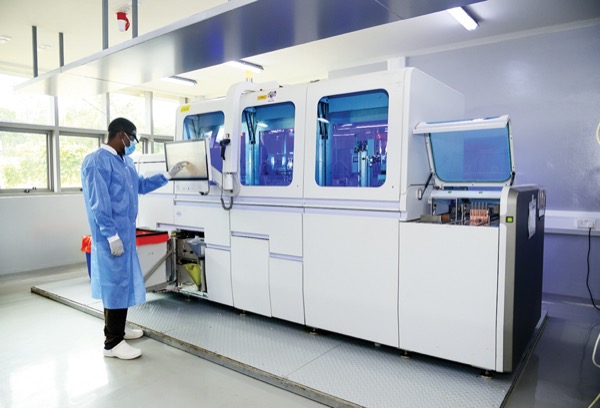
The T2Bacteria panel uses multiplex detection to identify common ESKAPE organisms (ie, Enterococcus faecium, Staphylococcus aureus, Klebsiella pneumoniae, Acinetobacter baumannii, Pseudomonas aeruginosa, and Escherichia coli) that pose clinical challenges due to their propensity for MDR.34,35 In a performance assessment study, the T2Bacteria assay identified organism species in 3.61±0.2 to 7.7±1.38 hours, with a per-patient sensitivity of 90% (95% CI, 76%-96%), specificity of 90% (95% CI, 88%-91%), and negative predictive value of 99.7% for proven BSIs.35 Another study duplicated the negative predictive value of 99.8% and further demonstrated the mean time to detection and species identification was 5.5±1.4 hours.34 The T2Bacteria panel has demonstrated the ability to detect pathogens approximately 55 hours faster than standard methods (eg, blood culture) in patients with sepsis.36 Given the previous benefit of RDTs, including reductions in TTET, time to optimal therapy, mortality, and the observation of ASP intervention being an independent predictor of survival in MDR infections,37 the T2Bacteria assay is expected to demonstrate favorable clinical outcomes. A recent meta-analysis showed patients who received targeted antimicrobial therapy were deescalated faster and had shorter stays in the ICU and hospital (ICU: 5-day reduction; hospital: 4.8-day reduction) when T2 technology was used.38
The T2Lyme panel is not yet available in the United States but was also granted breakthrough device designation by the FDA in July 2022. This panel detects Borrelia burgdorferi directly from a blood sample. During 2008-2015, a total of 275,589 cases of Lyme disease were reported to the CDC; however, it estimated the actual number of cases was much higher. The discrepancy is due to poor diagnostic testing.39 When Lyme disease is left untreated, it is associated with intermittent or persistent arthritis involving 1 or a few joints and/or certain rare neurologic problems.40 Due to limitations with the available tests (ie, time-consuming and laborious with a high false-negative rate), the diagnosis is often made clinically. This may lead to inappropriate or unnecessary antimicrobial therapy. The T2Lyme may aid in early diagnosis, prevent morbidity, and reduce associated costs.
While T2MR technology reduces time to organism identification by eliminating the need for prior organism isolation, other technologies target rapid phenotypic AST to prevent delays in therapy and avoid unnecessarily prolonged broad-spectrum therapy. The Accelerate Pheno system (Accelerate Diagnostics), which uses rapid phenotypic methods to provide AST within 7 hours, is an example of this technology. Conventional identification with AST can take as long as 90 hours.41 This is particularly important when clinicians are concerned about prolonged exposure to insufficient antimicrobial concentrations (eg, patients with unpredictable pharmacokinetics/pharmacodynamics, augmented renal clearance, or pathogens with a high minimum inhibitory concentration) because inappropriate exposure can result in poor outcomes.41-43 A recent multicenter, randomized controlled trial comparing rapid identification plus phenotypic AST (RAPID; Accelerate Pheno) with standard of care (SOC; MALDI-TOF MS) plus AST using broth microdilution or agar dilution was conducted in patients with gram-negative BSIs.44 The primary outcome measure was time to first antimicrobial modification within 72 hours of randomization. First antimicrobial modification was 6.3 hours faster in the RAPID group compared with the SOC group for overall antimicrobials (median [IQR], 8.6 [2.6-27.6] vs 14.9 [3.3-41.1] hours; P=0.02), and 24.8 hours faster for antimicrobials targeted against gram-negative organisms (median [IQR], 17.3 [4.9-72] vs 42.1 [10.1-72] hours; P<0.001). Among a subset of 40 patients in the RAPID group and 44 in the SOC group with resistant organisms, time to antimicrobial escalation was 43.3 hours faster in the RAPID group than the SOC group (P=0.01), while no difference was observed in de-escalations. Although the study authors reported no significant differences in clinical outcomes, such as LOS and mortality, the ability to escalate therapy more rapidly and reduce TTET is clinically meaningful nonetheless.44 Another large multicenter, quasi-experimental study comparing pre–Accelerate PhenoTest implementation versus post-test implementation, reported a shorter median time to optimal therapy (40.9 vs 23.7 hours; P<0.0001), shorter median time to first antimicrobial modification (24.2 vs 13.9 hours; P<0.0001), and shorter median time to first antimicrobial de-escalation (36 vs 27.2 hours; P<0.0004).45
A recent quasi-experimental study of 830 bacteremic cases, however, demonstrated a shorter median LOS (6.3-6.7 vs 8.1 days) when the Accelerate Pheno is used, regardless of whether it is paired with or without real-time notification when compared with historical controls lacking rapid diagnostics or an ASP.46 Accelerate Pheno has also demonstrated benefit in hospitalized children with gram-negative bacteremia with a decreased time to optimal therapy by about 40 hours.47 Overall, rapid blood culture identification systems demonstrate a substantial benefit when paired with ASPs for both clinical and economic outcomes.14,15 Probabilistic analyses of RDTs combined with ASPs showed an 80% chance of being cost-effective versus a 41% chance without ASPs.15 These data suggest RDTs should be the SOC across all hospitals, and continue to evolve with public health needs to slow the progression of resistance, ensure antimicrobial therapy is optimized, and improve quality of care.
The Karius test is a blood test based on next-generation sequencing of microbial cell-free DNA, allowing it to quantify more than 1,000 clinically relevant pathogens that include viruses, bacteria, fungi, and parasites. It may be useful for patients with severe illness, those who are immunocompromised, and/or those with a lack of pathogen identification after standard attempts via other methodologies.48
A prospective pilot study explored the utility of the Karius test as a BSI prediction tool among 47 pediatric patients with relapsed or refractory cancers. Sixteen BSI episodes (15 bacterial) were available for predictive sampling, and a predictive sensitivity of 80% (n=12/15; 95% CI, 55%-93%) was identified for bacterial BSIs.48 Hogan et al performed a retrospective cohort study to determine the real-world impact of the Karius test ordered for all suspected infectious disease indications.49 Approximately 65% of patients were immunocompromised and 52.4% were children. A total of 82 tests were evaluated with a positivity rate of 61%. The test results led to a positive clinical impact in 7.3%, negative clinical impact in 3.7%, and no clinical impact in 86.6%, and were indeterminate in 2.4%. In cases with a positive result and clinical impact, bacteria and/or fungi usually were involved compared with viruses or parasites. The test was evaluated in 55 patients with febrile neutropenia.50 Sensitivity and specificity were 85% (41/48) and 100% (14/14), respectively. Time to diagnosis was shorter compared with traditional blood culture methodology (87%) and could have allowed early antimicrobial optimization in 47% of patients (ie, addition of antimicrobials [20%], mostly against anaerobes [12.7%], antivirals [14.5%], and/or antifungals [3.6%], and antimicrobial de-escalation [27.3%]).
Metagenomic next-generation sequencing (mNGS) is a rapid and universal pathogen detection method for infectious diseases diagnostics. All types of pathogens (eg, bacteria, parasites, fungi, and viruses) can be detected by mNGS using a single test. It can also detect AMR markers providing both pathogen identification and susceptibility profiling. Methods based on mNGS have been shown to provide results in 24 to 48 hours compared with the typical 72-hour delay for conventional culture methods. In addition, mNGS has the potential to provide a higher positivity rate than conventional culture-based methods in patients with suspected BSI; however, the high cost associated with use of this technology is prohibitive.51 Further data are needed to establish the most appropriate patient population to utilize this technology.
Respiratory Infections
Acute RTIs are most commonly caused by viral organisms and are a major cause of morbidity and mortality, especially since the COVID-19 pandemic began. However, differentiating between viral and bacterial pneumonia is a significant challenge, and often results in unnecessary antimicrobial use for viral infections,52 especially when bacterial coinfection cannot be ruled out. To date, no single test exists to make this differentiation, but several RDTs together can assist ASPs in the clinical decision-making process such as respiratory pathogen (viral/bacterial) panels, methicillin-resistant S. aureus (MRSA) nasal PCR, and biomarker expression (eg, procalcitonin). Procalcitonin is a pro-inflammatory biomarker previously associated with a reduction in antimicrobial therapy for lower RTIs,53 and may be useful for ruling out bacterial coinfections.54 However, a clear cutoff between bacterial and viral pneumonia remains to be elucidated,55 and interpretation is limited among some patient populations (eg, those needing hemodialysis).56 Other promising biomarker approaches assessing host gene expression to categorize acute RTIs as either viral or bacterial may become more readily available for ASPs.57
Nonetheless, when ordering respiratory diagnostic assays, it is important to consider whether the test will affect clinical management. For example, influenza is one of the only respiratory viruses for which treatment is available, suggesting identification by NAAT can facilitate prompt initiation or discontinuation of anti-influenza therapy during flu season. However, ordering the same test for a mildly ill patient not expected to receive treatment, or during a period of low prevalence, does not provide value. Of note, NAAT is favored over traditional influenza antigen–based diagnostic tests because they are significantly more sensitive, resulting in more accurate and usable results.58
More recently, multiplex PCR panels for respiratory viruses have become common and are able to optimize antiviral therapy and improve the timeliness of patient isolation.59 Clinical and economic outcomes vary across respiratory diagnostic studies, largely due to heterogeneity and variability in the quality of currently available data. Nonetheless, reduced antimicrobial utilization with rapid viral panels has been described among pediatric60 and adult patients.61 Overall, respiratory pathogen panels play an important role in RTI diagnostics. Novel bacterial panels have become available, but clinical outcomes have yet to be assessed. The IDSA Diagnostics Committee published clinical and diagnostic recommendations for management of acute RTIs.62 Since the pandemic, there have been myriad molecular tests the FDA approved or approved under an emergency use authorization for detection of SARS-CoV-2. Some examples include multiplex PCR testing platforms, point-of-care testing, and at-home antigen test kits. The T2SARS-CoV-2 test was granted emergency use authorization from the FDA in 2020, to assess patients with signs and symptoms of COVID-19 by detecting nucleic acid from SARS-CoV-2 in upper respiratory secretions, and may, in theory, allow earlier discontinuation of unnecessary empiric antimicrobial use in this patient population.
Huang et al compared the diagnostic accuracies of FilmArray (BioFire), Verigene RV+ (Nanosphere) and GenProbe Prodesse (Hologic) assays for detection of viral respiratory infections.63 They concluded that point estimates calculated from eligible studies showed the 3 mPCRs are highly accurate and may provide important diagnostic information for early identification of respiratory virus infections. In patients with low pretest probability for influenza A, these mPCRs can predict a low possibility of infection and may justify withholding empiric antiviral treatments.63
When bacterial pneumonia is diagnosed in patients with risk factors for resistance or at high risk for mortality, gram-positive coverage for MRSA is often empirically initiated. Because S. aureus is a pathogen routinely implicated in pneumonia, and a common colonizer of the nares, a MRSA nasal PCR can be used to help discontinue unnecessary vancomycin. A meta-analysis of 22 studies and 5,163 patients identified a positive predictive value of 44.8% and negative predictive value of 96.5% using 10% prevalence,64 indicating a negative result can be particularly useful to rule out MRSA pneumonia, thereby decreasing days of vancomycin therapy, especially among patients who are not critically ill. ASPs can use a combination of these RDTs in conjunction with a patient’s clinical picture to help ensure that those who require antibiotics are treated effectively and those who have solely viral infections are spared unnecessary antimicrobials.
Central Nervous System Infections
Related Content


CNS infections are medical emergencies that are associated with considerable mortality and rapid decline that requires prompt diagnostic identification and antimicrobial administration.65 Diagnostic testing for CNS infections is particularly challenging, as more than 20 available diagnostic tests exist and various testing combinations are ordered in clinical practice.66 ASPs are important for such scenarios, as they can help guide medical teams, especially when a limited amount of cerebrospinal fluid (CSF) volume is obtained. Low-volume yield of CSF during lumbar puncture is commonly seen, especially among pediatric patients. Identifying viral etiologies by PCR can facilitate diagnostics, reduce hospital LOS, and reduce duration of unnecessary antimicrobial therapy.67 However, rapid bacterial identification expedites appropriate antimicrobial utilization and improves clinical outcomes.68,69
The only clinically used, FDA-approved rapid panel is the BioFire FilmArray meningitis/encephalitis (ME) panel (BioFire Diagnostics), with a turnaround time of 1 hour and only 2 minutes of hands-on time. It is a nucleic acid–based panel that requires a small volume of CSF (0.2 mL), and has 14 total targets, including E. coli (K1 serotype only), Haemophilus influenzae, Listeria monocytogenes, Neisseria meningitidis (encapsulated strains only), Streptococcus agalactiae, Streptococcus pneumoniae, Cryptococcus neoformans and C. gattii, cytomegalovirus, enteroviruses, herpes simplex viruses 1 and 2, human herpesvirus 6, human parechovirus, and varicella-zoster virus.70 In a study of 1,560 CSF samples, the ME panel established an 84.4% positive and greater than 99% negative agreement with traditional testing methods.69,71 The ME panel also results in a faster time to diagnosis by 10.3 hours compared with pathogen-specific PCR testing.67
There have been reports of both false-positive and false-negative results leading to concerns for institutions when deciding on implementation. A recent meta-analysis was performed to determine the sensitivity and specificity of the ME panel.72 The investigators pooled data from 8 studies (N=3,059) and reported sensitivity and specificity of 90% (95% CI, 86%-93%) and 97% (95% CI, 94%-99%), respectively. The highest proportion of false positives was found for S. pneumoniae followed by S. agalactiae, and the highest proportion of false negatives was for herpes simplex viruses 1 and 2, enteroviruses, and C. neoformans/gattii.
Implementation of the ME panel for adult inpatients with suspected community-onset CNS infection significantly reduced the herpes simplex virus PCR turnaround time, antiviral days of therapy, total antimicrobial days of therapy, and hospital LOS.73 A retrospective study compared empiric antibiotic and acyclovir use between pediatric patients with a suspected CNS infection who received the ME panel and a matched control. The authors concluded the introduction of the ME panel resulted in a significantly reduced duration of therapy and days of therapy for empiric antibiotics and antivirals, with the largest impact in infants.74 Despite promising potential, the ME panel does not yet replace traditional testing methods for ME diagnosis, and knowledge of limitations is essential for utilization.69,71 It may be particularly helpful in hospitals with high CNS infection prevalence (eg, pediatric and neonatal patients).
Gastrointestinal Infections
Acute gastroenteritis is a leading cause of morbidity and mortality, and is responsible for an estimated 47.8 million episodes annually in the United States.74,75 Identification of an infectious agent is critical for patient care and infection prevention practices; however, the etiologic pathogen goes unidentified in approximately 80% of cases.74,77,78
Conventional methods of identification (eg, antigen testing, microscopic examinations, and culture) are time-consuming, expensive, and have limited sensitivity.79 Multiplex PCR-based GI panels, such as the FilmArray, have emerged as more rapid and accurate diagnostic tools for gastroenteritis, although clinical outcomes data are limited. The BioFire FilmArray GI panel combines 22 enteric pathogens into a single cartridge-based test with a turnaround time of less than 2 hours. Assay performance was assessed and demonstrated to have 100% and 94.5% or higher sensitivity for 12 of 22 and 7 of 22 targets, respectively, and 97.1% or higher specificity for all targets.80
Although symptoms are often self-limiting, some patients may benefit from antimicrobials but encounter delays in therapy due to lengthy testing methods. Hospitalization and further testing, such as colonoscopy or abdominal ultrasonography, may be required in patients with multiple comorbidities or severe illness pending test results, leading to unnecessary patient isolation and more extensive infection prevention practices. Beal et al evaluated the clinical and economic impact of the FilmArray GI panel compared with historical controls using traditional stool culture testing methodology.81 The positivity rate of the GI panel was 32.8% compared with 6.7% for the historical controls. The GI panel led to faster results reported in the electronic health record (8.94 vs 54.75 hours), fewer additional stool tests ordered overall (0.58 vs 3.02 additional tests; P=0.0001), fewer antibiotic days per patient (1.73 and 2.12 days per patient; P=0.06), fewer imaging studies (0.18 vs 0.39 imaging studies per patient; P=0.0002), shorter LOS (5.2±3.2 vs 5.6±3.4 days; P=0.14), and a cost savings of approximately $294 per patient.
A similar rate of positivity was observed in another study comparing the FilmArray GI panel with historical stool culture controls (29.2% vs 4.1%, respectively).82 Clinical outcomes were also improved with the GI panel: Patients were less likely to undergo endoscopy (8.4% vs 9.6%; P=0.008) or abdominal radiology (29.4% vs 31%; P=0.002) and less likely to receive antimicrobials (36.2% vs 40.9%; P<0.001).82 The prevalence of GI coinfection in the United States is not well known compared with developing countries; however, the FilmArray GI panel commonly detects coinfection in up to 32.9%.75,76,80-82 This may be because the PCR is not able to differentiate between asymptomatic colonization and infection.
Joint Infections
Cultures have been the standard tool to corroborate the diagnosis of joint infections but due to the turnaround time, they may lead to broad-spectrum antibiotic exposure, unnecessary surgery, and increased hospital LOS. The
Conclusion
RDTs are a critical component in the fight against infectious diseases, providing timely, accurate, and cost-effective diagnostics. When combined with stewardship initiatives, RDTs have the potential to revolutionize the management of infectious diseases by enabling early diagnosis, guiding treatment decisions, and reducing the burden on healthcare systems.
References
- Antimicrobial Resistance Collaborators. Lancet. 2022;399(10325):629-655.
- de Kraker MEA, et al. PLOS Med. 2016;13:e1002184.
- O’Neill J. Review on antimicrobial resistance: tackling a crisis for the health and wealth of nations. London; 2014. December 3, 2024. https://amr-review.org/sites/default/files/AMR%20Review%20Paper%20-%20Tackling%20a%20crisis%20for%20the%20health%20and%20wealth%20of%20nations_1.pdf
- Evans L, et al. Crit Care Med. 2021;49(11):1974-1982.
- Kumar A, et al. Chest. 2009;136(5):1237-1248.
- Ibrahim EH, et al. Chest. 2000;118(1):146-155.
- Kumar A, et al. Crit Care Med. 2006;34(6):1589-1596.
- Paul M, et al. J Antimicrob Chemother. 2010;65(12):2658-2665.
- Paul M, et al. Antimicrob Agents Chemother. 2010;54(11):4851-4863.
- Lodise TP, et al. Open Forum Infect Dis. 2019;6(6):ofz194.
- Zasowski EJ, et al. Clin Infect Dis. 2016;62(10):1242-1250.
- Bonine NG, et al. Am J Med Sci. 2019;357(2):103-110.
- Beganovic M, et al. Open Forum Infect Dis. 2019;6(1):ofy350.
- Timbrook TT, et al. Clin Infect Dis. 2017;64(1):15-23.
- Pliakos EE, et al. Clin Microbiol Rev. 2018;31(3):e00095-17.
- Messacar K, et al. J Clin Microbiol. 2017;55(3):715-723.
- Barlam TF, et al. Clin Infect Dis. 2016;62(10):1197-1202.
- Wenzler E, et al. Am J Health Syst Pharm. 2018;75(16):1191-1202.
- Aitken SL, et al. Diagn Microbiol Infect Dis. 2015;81(1):4-8.
- Wong JR, et al. Ann Pharmacother. 2012;46(11):1484-1490.
- Nagel JL, et al. J Clin Microbiol. 2014;52(8):2849-2854.
- Wenzler E, et al. Clin Infect Dis. 2017;65(2):194-200.
- Bookstaver PB, et al. Antimicrob Agents Chemother. 2017;61(9):e00189-17.
- Pogue JM, et al. Antimicrob Agents Chemother. 2018;62(5):e02538-17.
- Rivard KR, et al. Eur J Clin Microbiol Infect Dis. 2017;36(10):1879-1887.
- Walker T, et al. J Clin Microbiol. 2016;54(7):1789-1796.
- Huang AM, et al. Clin Infect Dis. 2013;57(9):1237-1245.
- Pfaller MA, et al. Future Microbiol. 2016;11(1):103-117.
- Pappas PG, et al. Clin Infect Dis. 2016;62(4):e1-e50.
- Clancy CJ, et al. Diagn Microbiol Infect Dis. 2019;93(1):54-57.
- Wilson NM, et al. J Antimicrob Stewardship. 2017;1(1):12-18.
- Patch ME, et al. J Antimicrob Chemother. 2018;73 (suppl 4):iv27-iv30.
- Bilir SP, et al. Future Microbiol. 2015;10:1133-1144.
- De Angelis G, et al. J Antimicrob Chemother. 2018;73 (suppl 4):iv20-iv6.
- Nguyen MH, et al. Ann Intern Med. 2019;170(12):845-852.
- Drevinek P, et al. Microbiologyopen. 2021;10(3):e1210.
- Perez KK, et al. J Infect. 2014;69(3):216-225.
- Giannella M, et al. Exp Rev Med Devices. 2021;18:473-482.
- Schwartz AM, et al. MMWR Morb Mortal Wkly Rep. 2017;66(22):1-12.
- Lantos PM, et al. Clin Infect Dis. 2021;72:e1-e48.
- Kerremans JJ, et al. J Antimicrob Chemother. 2008;61(2):428-435.
- Lodise TP Jr, et al. Clin Infect Dis. 2007;44(3):357-363.
- Roberts JA, et al. Clin Infect Dis. 2014;58(8):1072-1083.
- Banerjee R, et al. Clin Infect Dis. 2021;73(1):e39-e46.
- Bhalodi AA, et al. Clin Infect Dis. 2021;75:269-277.
- Dare RK, et al. Clin Infect Dis. 2021;73(11):e4616-e4626.
- Lee M, et al. Clin Ther. 2020;42:1630-1636.
- Goggin KP, et al. JAMA Oncol. 2019;6(4):552-556.
- Hogan CA, et al. Clin Infect Dis. 2021;72(2):239-245.
- Benamu E, et al. Clin Infect Dis. 2022;74(9):1659-1668.
- Overbeek R, et al. J Clin Med. 2024;13:306.
- Fleming-Dutra KE, et al. JAMA. 2016;315(17):1864-1873.
- Schuetz P, et al. Lancet Infect Dis. 2018;18(1):95-107.
- Timbrook T, et al. Infect Dis Ther. 2015;4(3):297-306.
- Self WH, et al. Clin Infect Dis. 2017;65(2):183-190.
- Grace E, et al. Clin Infect Dis. 2014;59(12):1761-1767.
- Tsalik EL, et al. Sci Transl Med. 2016;8(322):322ra11.
- Vemula SV, et al. Viruses. 2016;8(4):96.
- Green DA, et al. J Clin Microbiol. 2016;54(12):2950-2955.
- Doan Q, et al. Cochrane Database Syst Rev. 2014;(9):CD006452.
- Brendish NJ, et al. Lancet Respir Med. 2017;5(5):401-411.
- Hanson KE, et al. Clin Infect Dis. 2020;71(10):2744-2751.
- Huang HS, et al. Clin Microbiol Infect. 2018;24(10):1055-1063.
- Parente DM, et al. Clin Infect Dis. 2018;67(1):1-7.
- Tunkel AR, et al. Clin Infect Dis. 2004;39(9):1267-1284.
- Wootton SH, et al. Ann Clin Microbiol Antimicrob. 2016;15:26.
- Messacar K, et al. Diagn Microbiol Infect Dis. 2016;86(1):118-120.
- Blaschke AJ, et al. J Clin Microbiol. 2018;56(7):e00277-18.
- Leber AL, et al. J Clin Microbiol. 2016;54(9):2251-2261.
- He T, et al. Curr Infect Dis Rep. 2016;18(11):35.
- Hanson KE, et al. Clin Infect Dis. 2016;63(10):1361-1367.
- Tansarli GS, et al. Clin Microbiol Infect. 2020;26(3):281-290.
- Moffa MA, et al. Antibiotics. 2020;9(6):282.
- Hagen A, et al. BMC Pediatrics. 2020;20(1):56.
- Scallan E, et al. Emerg Infect Dis. 2011;17(1):16-22.
- Scallan E, et al. Emerg Infect Dis. 2011;17(1):7-15.
- Axelrad JE, et al. Dig Dis Sci. 2018;63(7):1900-1909.
- Axelrad JE, et al. Inflamm Bowel Dis. 2017;23(6):1034-1039.
- Riddle MS, et al. Am J Gastroenterol. 2016;111(5):602-622.
- Buss SN, et al. J Clin Microbiol. 2015;53(3):915-925.
- Beal SG, et al. J Clin Microbiol. 2018;56(1):e01457-17.
- Axelrad JE, et al. J Clin Microbiol. 2019;57(3):e01775-18.
- Bos MP, et al. J Clin Microbiol. 2023;61:e0015423.
- The Biofire Joint Infection Panel. BioMérieux. Accessed November 12, 2024. https://www.biofiredx.com/products/the-filmarray-panels/ji/
About the author:

Copyright © 2024 McMahon Publishing, 545 West 45th Street, New York, NY 10036. Printed in the USA. All rights reserved, including the right of reproduction, in whole or in part, in any form.

Download to read this article in PDF document: Accelerating Care: The Role of Rapid Diagnostic Tests in Strengthening Antimicrobial Stewardship and Improving Patient Care
