





Two new drugs are now part of our anti-cytomegalovirus (CMV) therapeutic toolbox: letermovir (Prevymis, Merck), which is effective for prophylaxis of CMV disease in high-risk patients, and maribavir (Livtencity, Takeda), which is effective for treatment of established disease. Neither of these drugs is associated with the cytopenias of ganciclovir and valganciclovir ([val]ganciclovir) or the renal and electrolyte disturbances of foscarnet.
In April 2022, I reviewed the clinical role of these drugs for Infectious Disease Special Edition.1 I now provide an update of that article in this case-based review.
Case 1: A 58-year-old man has undergone an allogeneic hematopoietic stem cell transplant (HSCT) for myelodysplastic syndrome. He is seropositive for CMV, and the donor is seronegative (CMV D–/R+). What can be done to reduce his chances of developing CMV disease?
The patient described in the vignette is at risk for CMV disease during the first several months after a transplant and at times of intensification of immunosuppression. Knowing the recipient’s and donor’s CMV serostatus is important for identifying patients at higher risk for clinically significant CMV infection. In HSCT, there is a higher risk for such infection in recipients who are CMV-seropositive. The 2 major approaches to prevention in HSCT recipients are chemoprophylaxis with letermovir or preemptive treatment with (val)ganciclovir as guided by the results of CMV polymerase chain reaction (PCR) monitoring.
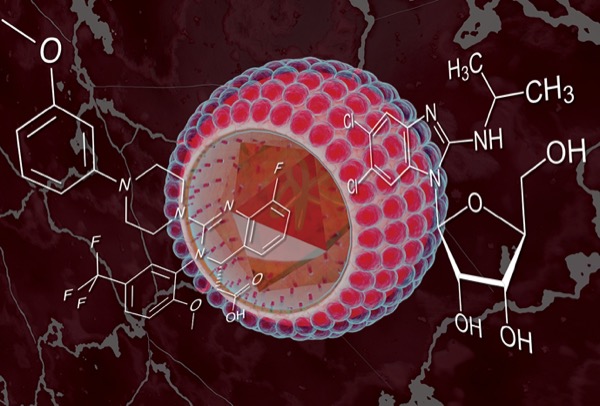
The FDA approved letermovir for prophylaxis in CMV-seropositive HSCT recipients. The dose is 480 mg daily (oral or IV) through 100 days post-transplant. Letermovir works by inhibiting the CMV terminase enzyme complex (UL51, UL56, and UL89), which impairs viral DNA cleavage, packaging, and maturation.2 Letermovir is not active against herpes simplex virus (HSV) and varicella zoster virus (VZV). Hence, valacyclovir needs to be coadministered in patients who also require prophylaxis for these viruses.
Multiple trials have examined the efficacy of letermovir as prophylaxis in HSCT recipients. Marty et al compared letermovir with placebo for CMV-seropositive HSCT recipients in a blinded randomized controlled trial.3 At 24 weeks after transplant, patients who received letermovir had fewer episodes of clinically significant CMV infection or premature discontinuation of therapy (37.5% vs 60.6%; P<0.001) as well as lower rates of mortality (hazard ratio [HR], 0.58; 95% CI, 0.35-0.98; P=0.04).3,4 Post-marketing surveillance of HSCT recipients receiving letermovir as prophylaxis also showed lower rates of CMV reactivation in the first 100 days after transplant compared with historical controls (20% vs 72%; P<0.001). Similarly, the rate of clinically significant CMV infection was lower in the letermovir group versus controls (4% vs 59%; P<0.001).5 In a retrospective study, use of letermovir in CMV-seropositive HSCT recipients was associated with significantly lower rates of mortality (HR, 0.62; 95% CI, 0.40-0.98). The impact was notable in recipients of T-cell–depleted transplants.6 In another study comparing 114 HSCT recipients who received letermovir prophylaxis for a median of 92 days with 571 patients who did not, the incidence rates of clinically significant CMV and mortality at 6 months were significantly reduced (44.7% vs 72.4%; P<0.001 and 80.4% vs 73.0%; P=0.033).7 A meta-analysis of 48 studies, including 7,104 patients, found primary prophylaxis with letermovir in HSCT recipients to be associated with statistically significant reductions in CMV reactivation, clinically significant CMV infection, CMV disease, and mortality.8
Letermovir also has been evaluated in several retrospective studies as prophylaxis for recipients with acute graft-versus-host disease (GVHD). For example, an analysis of 119 patients showed letermovir prophylaxis was associated with decreased development of clinically significant CMV infection (HR, 0.08; 95% CI, 0.03-0.27; P<0.001), non-relapse mortality (P=0.04), and improved overall survival (P=0.04).9
Gastrointestinal (GI) symptoms are the most common side effects of letermovir, but are generally mild. Letermovir is not associated with the bone marrow toxicities of (val)ganciclovir or the renal and electrolyte toxicities of foscarnet. Letermovir is a moderate inhibitor of the cytochrome P450 3A (CYP3A) enzyme and an inducer of CYP2C9 and 2C19, so clinicians should be mindful of the potential for interactions with drugs metabolized through these pathways.
As detailed above, the other major approach to prevention of CMV disease is preemptive therapy with (val)ganciclovir, which is initiated when the level of viremia in an asymptomatic patient exceeds a certain numerical threshold. The main toxicity of (val)ganciclovir is bone marrow suppression,10 and can be particularly challenging early in the HSCT process when the donor stem cells have not yet fully engrafted. This side effect has largely curtailed use of (val)ganciclovir chemoprophylaxis during such periods in HSCT recipients. Bone marrow suppression also may be an issue at later stages of the HSCT process in recipients with limited bone marrow reserves owing to their underlying conditions and incomplete recovery from the transplant procedure or receipt of other medications, such as mycophenolate, which may deplete their bone marrow reserves.
Case 2: A 44-year-old woman has undergone a kidney transplant for end-stage renal disease due to adult polycystic kidney disease. She is seronegative for CMV and the donor is seropositive (CMV D+/R–). She was placed on a regimen of valganciclovir as prophylaxis but developed leukopenia at 6 weeks post-transplant. What can be done to prevent development of CMV disease in this woman?
Solid-organ transplant (SOT) recipients are at risk for CMV disease during the first several months after transplantation and at times of intensification of immunosuppression. As with HSCT, knowledge of CMV serostatus for both the recipient and donor is important to identify patients who are at higher risk for clinically significant CMV infection. The patient in case 2 is at high risk for development of CMV disease. In SOT, the highest risk is in CMV-seronegative recipients receiving organs from CMV-seropositive donors (CMV D+/R–). The 2 major approaches to preventing CMV disease in SOT recipients are chemoprophylaxis with (val)ganciclovir where the donor or recipient is CMV-seropositive, or preemptive treatment guided by results of CMV PCR monitoring. The length of prophylaxis and intensity of CMV PCR monitoring differ by risk group, and the doses of (val)ganciclovir used for preemptive therapy are typically higher than those for prophylaxis.11 For a patient such as the one described in the case, management of (val)ganciclovir-induced leukopenia often requires growth factor support (eg, granulocyte colony-stimulating factor) and/or discontinuation of the antiviral agent. If (val)ganciclovir is stopped, the options for prevention are to transition to a preemptive treatment approach or use an alternative agent.
Letermovir is increasingly used off-label as an alternative prophylactic agent in SOT recipients. This strategy is typically used in patients who are having difficulty tolerating (val)ganciclovir but still require primary prophylaxis, maintenance, or secondary prophylaxis after control of significant disease. Multiple retrospective observational trials have reported the use of letermovir in such circumstances. Letermovir was used for a median of 282 days in a series of 37 lung and 4 heart transplants for primary and secondary prophylaxis. The rates of adverse effects requiring letermovir discontinuation and breakthrough CMV infection were 12% and 2.4%, respectively.12 In a study of SOT recipients who were converted from (val)ganciclovir to letermovir prophylaxis, there was no significant difference in the rate of CMV breakthrough between patients on letermovir (8.7%) and (val)ganciclovir (13.5%) (P=0.7097).13 In a study of 28 lung transplant recipients treated with letermovir for ganciclovir-resistant or -refractory CMV infection, 23 patients (82.1%) had a rapid response with subsequent clearing of the virus.14
However, breakthrough infections with development of resistance can be an issue. Among the 5 nonresponding patients in the aforementioned study, 3 were discovered to have mutations conferring resistance at the viral terminase enzyme (UL56-Gen: C325Y). Similarly, Aryal et al reported breakthrough CMV viremia in 3 of 8 (37.5%) SOT patients receiving letermovir prophylaxis.15
A major step forward has been completion of a phase 3, double-blind, randomized, controlled trial in high-risk kidney transplant recipients (CMV D+/R–), which compared 480 mg per day of letermovir (n=301) with 900 mg of (val)ganciclovir daily (n=300) for 28 weeks of prophylaxis. Efficacy for preventing CMV disease was similar with both drugs (10.4% vs 11.8%). Of note, drug-related adverse events were less common with letermovir (19.9% vs 35%) as were instances of drug discontinuation due to an adverse event (4.1% vs 13.5%) and neutropenia (4.1% vs 19.5%).16
It may be tempting to use letermovir for treatment of CMV viremia or even disease, but this can be risky. The hurdle to development of CMV resistance to letermovir is generally low, and thus its main use is for prevention of infection rather than for treatment of established viremia. A key parameter for treatment failure is viral load. Care must be taken to ensure that the viral load at the time of letermovir initiation is low enough to avoid risk for development of resistance and treatment failure. For example, in a study of 21 HSCT and 27 SOT recipients with CMV infection who were treated with letermovir, the key parameter for success was viral load. Whereas viral load improved or remained stable (<1 log rise in viral load) in 35 of 37 letermovir recipients initiated on therapy when the viral load was less than 1,000 IU/mL, this was only the case in 6 of 10 patients whose viral load exceeded 1,000 IU/mL at initiation of letermovir.17 In another study, risk factors for breakthrough infection among patients receiving letermovir prophylaxis were low-grade CMV replication (21-149 IU/mL) and acute GI GVHD.18
Case 3: A 62-year-old man who underwent a kidney transplant 8 months previously now has GI tissue-invasive CMV disease and a viral load of around 1 million IU/mL. His CMV serostatus was negative, and the donor was positive (CMV D+/R–). He had completed a course of valganciclovir prophylaxis. Despite 10 days of treatment with IV ganciclovir, he continues to have tissue-invasive infection with a very high viral load. Testing shows a resistance mutation in the CMV UL97 gene.
This patient has CMV disease that is refractory to treatment with ganciclovir due to resistance. To become active, ganciclovir must first be phosphorylated by the viral enzyme phosphotransferase, which is a product of the CMV UL97 gene. Mutations in the UL97 gene confer resistance to ganciclovir. Risk factors for resistance include extensive exposure to ganciclovir, suboptimal ganciclovir levels in the setting of intensive immunosuppression, and high viral loads.10,19,20 Neither cidofovir nor foscarnet require a viral phosphorylation step to be active and hence are not affected by UL97 mutations. Mutations in the CMV UL54 gene, which encodes for a viral DNA polymerase, can lead to resistance to cidofovir, foscarnet, and ganciclovir.21
Historically, the main treatment options for ganciclovir-resistant or -refractory CMV were cidofovir and foscarnet. The efficacy and safety of both drugs are suboptimal. The main toxicities with foscarnet are renal impairment and electrolyte abnormalities. The main toxicities with cidofovir are renal impairment and uveitis. In a study including 39 transplant recipients treated with foscarnet for ganciclovir-resistant or -refractory CMV infection, virologic failure occurred in one-third and renal dysfunction in one-half of patients.22 In a study including 16 transplant recipients receiving cidofovir, 50% failed to clear CMV viremia. Moreover, side effects were common, with nephrotoxicity occurring in 37.5% of recipients and uveitis in 25%.23

The development of maribavir as an alternative drug is a major advance. Maribavir at 400 mg twice daily is approved by the FDA for the treatment of post-transplant CMV infection that is refractory to treatment with other anti-CMV agents. Maribavir’s mechanism of action is through inhibition of UL97 protein kinase and impairment of viral DNA assembly. As with letermovir, maribavir is not active against other herpesviruses (eg, HSV and VZV), for which valacyclovir needs to be coadministered if prophylaxis against HSV and VZV is needed. Because CMV UL97 protein kinase is needed to activate ganciclovir, the combination of maribavir, which inhibits that enzyme, and ganciclovir, which needs that enzyme to be active, results in antagonism of the latter drug’s antiviral activity.24
Data to support use of maribavir for treatment of CMV disease have been generated by multiple trials. Maertens et al compared maribavir and (val)ganciclovir as preemptive therapy in a phase 2, open-label trial of adult HSCT and SOT recipients with CMV reactivation (plasma CMV DNA level, 1,000-100,000 DNA copies/mL).25 Participants received maribavir at doses of 400, 800, or 1,200 mg twice daily or the standard dose of (val)ganciclovir for up to 12 weeks. The study included 117 participants in the maribavir group and 39 in the valganciclovir group. Clinical outcomes at 6 weeks were similar in both groups (79% and 67% of patients; risk ratio, 1.20; 95% CI, 0.95-1.51). Responses to treatment were also similar among the various maribavir dose groups. The authors concluded that maribavir at a dose of at least 400 mg twice daily had efficacy similar to that of valganciclovir for clearing CMV viremia.25
Maribavir was tested in a phase 2 trial including 120 HSCT and SOT recipients with CMV that had proven refractory or resistant to other available antivirals. In that study, patients with refractory or resistant CMV infections having plasma CMV levels of 1,000 copies/mL or higher were randomly selected (1:1:1) to twice-daily, dose-blinded maribavir 400, 800, or 1,200 mg for up to 24 weeks. Undetectable CMV levels at 6 weeks were achieved in 67% of patients. Among the 25 patients in that study who developed recurrent infections while on treatment, 13 had mutations conferring maribavir resistance. The authors concluded that maribavir at a dose of 400 mg or higher twice daily was active against CMV infection in patients whose infection was refractory or resistant to other antivirals.26
An open-label, phase 3 trial of HSCT and SOT recipients with refractory or resistant CMV compared 8 weeks of 400 mg of maribavir twice daily with usual treatment. Maribavir was more effective in clearing CMV viremia (55.7% vs 23.9%; P<0.001) and CMV clearance plus symptom control (18.7% vs 10.3%; P=0.01). As would be expected, maribavir was associated with less acute kidney injury than foscarnet (8.5% vs 21.3%) and less neutropenia than (val)ganciclovir (9.4% vs 33.9%).27
Maribavir also has been evaluated for CMV prophylaxis, but results have been mixed.28-30 The lack of efficacy for prophylaxis may be explained by inadequate dosing in some of the early clinical trials. Nonetheless, at this time, maribavir is not recommended or FDA approved for prevention of CMV disease.
The main side effects of maribavir are taste disturbances (dysgeusia) and GI upset. Dysgeusia occurs frequently, but most often has not led to discontinuation in clinical trials of maribavir.25,26 The drug is metabolized by the CYP3A4 system and is a weak inhibitor of that enzyme complex. Hence, coadministration with maribavir leads to increased levels of calcineurin inhibitors (cyclosporine and tacrolimus) and mammalian target of rapamycin inhibitors (sirolimus and everolimus). For example, 400 mg of maribavir twice daily increased tacrolimus trough concentrations by 57%.31
Conclusion
While (val)ganciclovir remains the cornerstone for treatment of CMV in both HSCT and SOT and for prophylaxis in SOT recipients, the arrival of letermovir and maribavir as therapeutic options is a major advance in the field. Letermovir is FDA approved for prophylaxis in CMV-seropositive HSCT recipients and is increasingly used for prophylaxis in SOT recipients. In general, it is not a good option for use in CMV disease. Maribavir, on the other hand, is FDA approved for treatment of CMV infection refractory to other options. GI symptoms are the main side effects of both drugs, with maribavir causing dysgeusia in a substantial percentage of patients. Letermovir and maribavir are not associated with the bone marrow suppression seen with (val)ganciclovir or with the renal and electrolyte toxicities seen with foscarnet and cidofovir. As more data and clinical experience accumulate, it is expected that the roles for these 2 drugs will expand and include a broader range of patients.
References
- Shoham S. What’s new in CMV prevention and therapy for transplant patients? Infectious Disease Special Edition. 2022;26(1):57-62.
- Goldner T, Hewlett G, Ettischer N, et al. The novel anticytomegalovirus compound AIC246 (letermovir) inhibits human cytomegalovirus replication through a specific antiviral mechanism that involves the viral terminase. J Virol. 2011;85(20):10884-10893.
- Marty FM, Ljungman P, Chemaly RF, et al. Letermovir prophylaxis for cytomegalovirus in hematopoietic-cell transplantation. N Engl J Med. 2017;377(25):2433-2444.
- Ljungman P, Schmitt M, Marty FM, et al. A mortality analysis of letermovir prophylaxis for cytomegalovirus (CMV) in CMV-seropositive recipients of allogeneic hematopoietic cell transplantation. Clin Infect Dis. 2020;70(8):1525-1533.
- Anderson A, Raja M, Vazquez N, et al. Clinical “real-world” experience with letermovir for prevention of cytomegalovirus infection in allogeneic hematopoietic cell transplant recipients. Clin Transplant. 2020;34(7):e13866.
- Su Y, Stern A, Karantoni E, et al. Impact of letermovir primary cytomegalovirus prophylaxis on 1-year mortality after allogeneic hematopoietic cell transplantation: a retrospective cohort study. Clin Infect Dis. 2022;75(5):795-804.
- Mori Y, Jinnouchi F, Takenaka K, et al. Efficacy of prophylactic letermovir for cytomegalovirus reactivation in hematopoietic cell transplantation: a multicenter real-world data. Bone Marrow Transplant. 2021;56(4):853-862.
- Vyas A, Raval AD, Kamat S, et al. Real-world outcomes associated with letermovir use for cytomegalovirus primary prophylaxis in allogeneic hematopoietic cell transplant recipients: a systematic review and meta-analysis of observational studies. Open Forum Infect Dis. 2023;10(1):ofac687.
- Wolfe D, Zhao Q, Siegel E, et al. Letermovir prophylaxis and cytomegalovirus reactivation in adult hematopoietic cell transplant recipients with and without acute graft versus host disease. Cancers (Basel). 2021;13(21):5572.
- Sommadossi JP, Carlisle R. Toxicity of 3’-azido-3’-deoxythymidine and 9-(1,3-dihydroxy-2-propoxymethyl)guanine for normal human hematopoietic progenitor cells in vitro. Antimicrob Agents Chemother. 1987;31(3):452-454.
- Razonable RR, Humar A. Cytomegalovirus in solid organ transplant recipients—guidelines of the American Society of Transplantation Infectious Diseases Community of Practice. Clin Transplant. 2019;33(9):e13512.
- Saullo JL, Baker AW, Snyder LD, et al. Cytomegalovirus prevention in thoracic organ transplantation: a single-center evaluation of letermovir prophylaxis. J Heart Lung Transplant. 2022;41(4):508-515.
- Winstead RJ, Kumar D, Brown A, et al. Letermovir prophylaxis in solid organ transplant—assessing CMV breakthrough and tacrolimus drug interaction. Transpl Infect Dis. 2021;23(4):e13570.
- Veit T, Munker D, Barton J, et al. Letermovir in lung transplant recipients with cytomegalovirus infection: a retrospective observational study. Am J Transplant. 2021;21(10):3449-3455.
- Aryal S, Katugaha SB, Cochrane A, et al. Single-center experience with use of letermovir for CMV prophylaxis or treatment in thoracic organ transplant recipients. Transpl Infect Dis. 2019;21(6):e13166.
- Limaye A, Budde K, Humar A, et al. Safety and efficacy of letermovir (LET) versus valganciclovir (VGCV) for prevention of cytomegalovirus (CMV) disease in kidney transplant recipients (KTRs): a phase 3 randomized study. Open Forum Infect Dis. 2022;9(suppl 2):ofac492.1897.
- Linder KA, Kovacs C, Mullane KM, et al. Letermovir treatment of cytomegalovirus infection or disease in solid organ and hematopoietic cell transplant recipients. Transpl Infect Dis. 2021;23(4):e13687.
- Royston L, Royston E, Masouridi-Levrat S, et al. Predictors of breakthrough clinically significant cytomegalovirus infection during letermovir prophylaxis in high-risk hematopoietic cell transplant recipients. Immun Inflamm Dis. 2021;9(3):771-776.
- Fisher CE, Knudsen JL, Lease ED, et al. Risk factors and outcomes of ganciclovir-resistant cytomegalovirus infection in solid organ transplant recipients. Clin Infect Dis. 2017;65(1):57-63.
- Emery VC, Griffiths PD. Prediction of cytomegalovirus load and resistance patterns after antiviral chemotherapy. Proc Natl Acad Sci U S A. 2000;97(14):8039-8044.
- Limaye AP. Ganciclovir-resistant cytomegalovirus in organ transplant recipients. Clin Infect Dis. 2002;35(7):866-872.
- Avery RK, Arav-Boger R, Marr KA, et al. Outcomes in transplant recipients treated with foscarnet for ganciclovir-resistant or refractory cytomegalovirus infection. Transplantation. 2016;100(10):e74-e80.
- Mehta Steinke SA, Alfares M, Valsamakis A, et al. Outcomes of transplant recipients treated with cidofovir for resistant or refractory cytomegalovirus infection. Transpl Infect Dis. 2021;23(3):e13521.
- Chou S, Marousek GI. Maribavir antagonizes the antiviral action of ganciclovir on human cytomegalovirus. Antimicrob Agents Chemother. 2006;50(10):3470-3472.
- Maertens J, Cordonnier C, Jaksch P, et al. Maribavir for preemptive treatment of cytomegalovirus reactivation. N Engl J Med. 2019;381(12):1136-1147.
- Papanicolaou GA, Silveira FP, Langston AA, et al. Maribavir for refractory or resistant cytomegalovirus infections in hematopoietic-cell or solid-organ transplant recipients: a randomized, dose-ranging, double-blind, phase 2 study. Clin Infect Dis. 2019;68(8):1255-1264.
- Avery RK, Alain S, Alexander BD, et al. Maribavir for refractory cytomegalovirus infections with or without resistance post-transplant: results from a phase 3 randomized clinical trial. Clin Infect Dis. 2022;75(4):690-701.
- Marty FM, Ljungman P, Papanicolaou GA, et al. Maribavir prophylaxis for prevention of cytomegalovirus disease in recipients of allogeneic stem-cell transplants: a phase 3, double-blind, placebo-controlled, randomised trial. Lancet Infect Dis. 2011;11(4):284-292.
- Winston DJ, Saliba F, Blumberg E, et al. Efficacy and safety of maribavir dosed at 100 mg orally twice daily for the prevention of cytomegalovirus disease in liver transplant recipients: a randomized, double-blind, multicenter controlled trial. Am J Transplant. 2012;12(11):3021-3030.
- Winston DJ, Young JA, Pullarkat V, et al. Maribavir prophylaxis for prevention of cytomegalovirus infection in allogeneic stem cell transplant recipients: a multicenter, randomized, double-blind, placebo-controlled, dose-ranging study. Blood. 2008;111(11):5403-5410.
- Pescovitz MD, Bloom R, Pirsch J, et al. A randomized, double-blind, pharmacokinetic study of oral maribavir with tacrolimus in stable renal transplant recipients. Am J Transplant. 2009;9(10):2324-2330.
About the author:

Copyright © 2023 McMahon Publishing, 545 West 45th Street, New York, NY 10036. Printed in the USA. All rights reserved, including the right of reproduction, in whole or in part, in any form.
Download to read this article in PDF document: CMV Case Studies
