





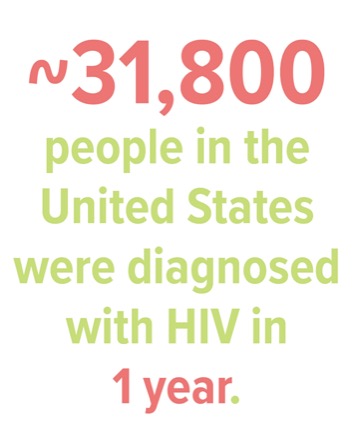
Between 2018 and 2022, the United States saw an estimated 12% decrease in new HIV infections, reflecting progress in prevention and awareness efforts.1 However, approximately 31,800 individuals were diagnosed with HIV in 2022 alone.1 Despite advancements in prevention, there remains significant opportunity to improve diagnostic testing efforts. The CDC recommends that any person between the ages of 13 and 64 years should be tested at least once in their lifetime, and those with risk factors should be tested annually.2 Since the first HIV diagnostic test was approved by the FDA in 1985,3 4 generations of testing methods have reached the market. The focus has shifted from simple detection to early and accurate detection, ensuring that patients receive prompt therapy.
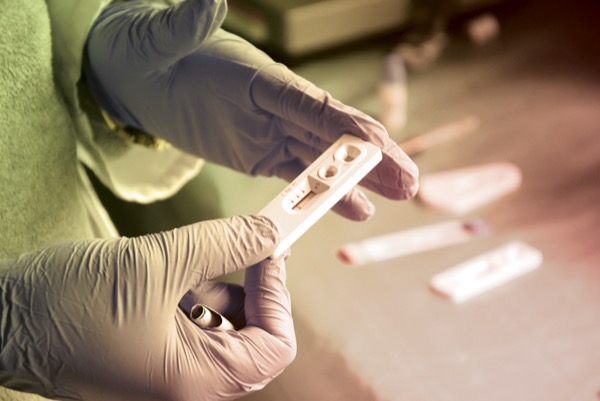
This article reviews past and present diagnostic testing, as well as identifies strengths and weaknesses of these testing methodologies. Additionally, this article hypothesizes next steps in improving rapid detection of the virus.
Past and Present HIV Diagnostic Methods
The enzyme-linked immunosorbent assay (ELISA) is a widely used screening test for HIV diagnosis. ELISA primarily detects anti-HIV antibodies, although newer versions (4th generation) can also detect the HIV p24 antigen.4 The window period varies depending on the test type, ranging from approximately 18 to 90 days.2 While ELISA is effective, it requires technical expertise and specialized laboratory equipment, limiting its accessibility in some settings.5
In developing countries, the Western blot test is considered the customary confirmatory test, typically used after a positive ELISA test. HIV proteins are separated and placed on nitrocellulose paper. The patient’s serum is then placed on the paper. If the patient has anti-HIV immunoglobulin G, the antibodies will bind to the proteins. Finally, a second antibody is added to provide color identification. However, this test is a long process, taking up to 1 to 2 weeks to yield results, and it is costly and requires laboratory professionals to complete it.6
Although antibody testing is the standard of care for HIV diagnosis, one of its major limitations is the window period during which antibodies may be undetectable. Polymerase chain reaction (PCR) testing detects HIV nucleic acid rather than antibodies, allowing for earlier detection. PCR testing is divided into qualitative and quantitative types: Qualitative PCR amplifies viral nucleic acids and is used for early diagnosis, and quantitative PCR measures viral load and is useful for monitoring disease progression in confirmed patients living with HIV. PCR is especially valuable for detecting HIV in individuals recently exposed to the virus, as it shortens the detection window from up to 90 days (for antibody tests) to approximately 10 to 14 days. However, PCR is a costly test that requires specialized laboratory facilities, making it less accessible in low-resource settings.7
Over the years, HIV testing has advanced significantly. Rapid diagnostic testing (RDT) such as nucleic acid tests, antigen/antibody combination tests, and antibody tests have been created and refined since the aforementioned traditional methods. Because RDTs are fast and cost-effective, they have found their place in diagnostics as the ideal point-of-care test. Additionally, self-testing is now available, as RDTs do not require the expertise needed for traditional methods.
The different time constraints and specificity and sensitivity of each of these 3 traditional testing methods and RDT are shown in the Table.
| Table. Sensitivity, Specificity, and Time Constraints for Traditional HIV Testing and RDT | |||
| Test | Sensitivity, % | Specificity, % | Time to result |
|---|---|---|---|
| ELISA (Microlisa-HIV) | 100 | 95 | >1.5 h |
| Western blot test (per the WHO) | 98.93 | 91.26 | Several days to 1 wk |
| PCR (DNA) | For people ages 4-6 wk: 96.2 For people ages >7 wk: 100 | 100 | 3-7 d |
| PCR (RNA) | Same as PCR (DNA) | Qualitative: 96.1 Quantitative: 95.5 | 1-5 d |
| RDT (Pareekshak HIV 1/2 rapid test kit, Trispot) | 100 | 100 | Immediate |
Emerging Innovations and Advantages Of New RDT Technologies
Emerging innovations in rapid detection of HIV are key to addressing the global HIV epidemic and achieving the UNAIDS 95-95-95 goal: at least 95% of people living with HIV know their HIV status, at least 95% of people who know their HIV status are on treatment, and at least 95% of people on treatment have a suppressed viral load by enhancing early detection, improving accessibility, and integrating digital health technologies.10
Combination antibody and antigen tests are considered the gold standard for HIV testing due to their ability to detect HIV earlier than antibody-only tests. Traditionally, antibody tests alone could miss acute infections because antibodies take time to develop after exposure. By including p24 antigen detection, combination tests can reduce significantly the time from infection to diagnosis. Unfortunately, current combination antibody and antigen tests require lab testing and are not available as point-of-care (POC) tests, which does not solve the problem with delays in diagnosis and decreased access to care. A team of Northwestern University scientists has recently developed a new test using a nanomechanical platform and tiny cantilevers to detect p24 antigens at high sensitivity in a matter of minutes, meaning faster diagnosis and decreasing the need for an additional visit to review test results.11 Additionally, this biosensor technology is built into a solar-powered device, making it easier to reach vulnerable populations.11
Molecular POC testing is another advancement in the field. Technologies such as HIV RNA testing and other devices facilitate the rapid and precise diagnosis of HIV at the POC.12 These nucleic acid–based RDTs can detect the virus much earlier than traditional antibody tests, making them particularly beneficial for identifying acute HIV infections.12 They not only provide results quickly but also enable healthcare professionals to initiate treatment sooner, thereby improving clinical outcomes.
New developments in lateral flow assay technology have made it possible to create assays capable of testing for HIV alongside other sexually transmitted infections (STIs), such as syphilis, hepatitis B, and hepatitis C.12 This approach streamlines the testing process and enhances public health responses by allowing a more comprehensive understanding of STI prevalence in specific populations. With the ability to perform multiple tests simultaneously, healthcare professionals can better allocate resources and tailor treatment strategies.
With continued improvements in artificial intelligence (AI) and machine learning combined with further integration into the healthcare sphere, these technologies may have a place in therapy for HIV diagnostic testing. AI can improve the accuracy of screening processes by analyzing vast amounts of data from various sources, identifying patterns, and predicting patient risk factors.12-13
With needs for increased accuracy are those for increased privacy. Due to the stigma still surrounding the topic of HIV, self-testing provides patients with a more discreet and convenient method for HIV testing. According to a 2021 systematic review examining the effect of HIV self-testing with additional digital support, patients who used at-home test kits along with additional digital support were more likely to use digital resources and successfully access treatment.14 The SMARTtest app is a mobile application providing patients with testing instructions and test result management resources.15
Related Content

With new technology and advancements comes improved access to care, faster diagnosis, and decreased costs, ultimately leading to better patient outcomes.
Challenges and Limitations
While advancements in HIV rapid diagnostic testing continue to grow, there are still severe limitations to innovation. Because HIV is highly divergent, testing methods must be able to detect the virus with the highest accuracy. Moreover, the challenge of cost-effectiveness versus availability must be addressed. Some new technologies may promise lower production costs, but high initial investments are often required for implementation. Ensuring equitable distribution and access remains a critical concern that must be addressed to prevent further widening healthcare disparities.
Future Directions in HIV Rapid Diagnostic Testing
Generations of rapid testing developments have shown progress, but there is always room for improvement—namely refining testing to be more accessible and reliable. Clustered regularly interspaced short palindromic repeats (CRISPR) is a type of technology with the ability to edit DNA sequences. Although CRISPR typically is used for gene editing, its assays have found a place in HIV detection. The idea behind CRISPR assays for HIV diagnostic testing is to make testing more rapid, accurate, and accessible.16.
In addition to CRISPR, improved at-home testing could substantially increase HIV detection and result in faster initiation of antiretroviral therapy. While trustworthy at-home testing would be convenient for people in the United States, its improvement would be most beneficial in underdeveloped countries. In 2013, a study by Dalal et al occurred in 2 settlements, 1 urban and the other rural, where they used home-based testing and counseling.17 Of the 24,450 people offered testing, 81.7% agreed to testing, 65.4% were tested for the first time in their lives, and overall HIV prevalence was 16.3%. Interestingly, females had a significantly higher rate of prevalence than males. Overall, this study shows an encouraging future for at-home HIV testing in underdeveloped countries.
Another facet of growth could be combining AI with self-testing. By creating an algorithm for AI to verify diagnostic self-testing, patients could be more willing to participate in testing and therefore encourage an increase in prevention strategies. Another group of researchers screened pharmacy clients in Kenya, who participated in HIV self-testing. After determining images that could be read sufficiently by AI, the algorithm demonstrated perfect sensitivity (100%), perfect negative predictive value (NPV) (100%), 98.8% specificity, and 81.5% positive predictive value (PPV). By comparison, the pharmacy clients and providers demonstrated lower sensitivity (93.2% and 97.7%, respectively) and NPV (99.6% and 99.9%, respectively), but perfect specificity (100%) and perfect PPV (100%).18
Conclusion
In summary, while the United States has experienced a decrease in new HIV infections, there is still significant room for improvement in diagnostic testing strategies. Diagnostic technologies have advanced for decades with an increasing emphasis on accuracy and early identification. Rapid diagnostic tests represent a major leap forward, offering faster results and better accessibility. Current efforts include the gold standard of antibody and antigen testing, molecular POC testing, multiplex testing, and at-home testing. However, challenges persist in terms of sensitivity, especially during early infection, and equitable access. Continued innovation, such as integrating CRISPR-based assays and improving test accessibility, will be essential in advancing HIV diagnostics and strengthening global prevention efforts.
References
- Estimated HIV incidence and prevalence in the United States, 2018-2022. CDC. HIV Surveillance Supplemental Report. 2024;29(No. 1). Updated February 7, 2025. Accessed April 28, 2025. cdc.gov/hiv-data/nhss/estimated-hiv-incidence-and-prevalence.html
- Getting tested for HIV. CDC. Updated February 11, 2025. Accessed April 28, 2025. cdc.gov/hiv/testing/index.html
- How one test changed HIV. March 4, 2025. Abbott. Accessed April 28, 2025. abbott.com/corpnewsroom/products-and-innovation/how-one-test-changed-HIV.html
- Enzyme-linked immunosorbent assay (ELISA). Stanford Medicine. Accessed April 28, 2025. stanfordhealthcare.org/medical-conditions/sexual-and-reproductive-health/hiv-aids/diagnosis/elisa.html
- Mehra B, Bhattar S, Bhalla P, et al. Rapid tests versus ELISA for screening of HIV infection: our experience from a voluntary counselling and testing facility of a tertiary care centre in North India. ISRN AIDS. 2014;2014:296840.
- CDC. Interpretation and use of the Western blot assay for serodiagnosis of human immunodeficiency virus type 1 infections. MMWR Suppl. 1989;38(7):1-7.
- Fearon M. The laboratory diagnosis of HIV infections. Can J Infect Dis Med Microbiol. 2005;16(1):26-30.
- Chadli S, Said HA, Fadil FZ, et al. Evaluation of the interpretation criteria of Western blot profiles for the HIV-1 infection diagnosis in a South Moroccan group: sensitivity, specificity and predictive values of HIV-1 Western blot method in a South Moroccan group. Integr J Med Sci. 2020 Feb 19. doi:10.15342/ijms.7.125
- Cunningham CK, Charbonneau TT, Song K, et al. Comparison of human immunodeficiency virus 1 DNA polymerase chain reaction and qualitative and quantitative RNA polymerase chain reaction in human immunodeficiency virus 1-exposed infants. Pediatr Infect Dis J. 1999;18(1):30-35.
- Understanding measures of progress towards the 95-95-95 HIV testing, treatment and viral suppression targets. UNAIDS. March 11, 2025. Accessed April 28, 2025. unaids.org/en/resources/documents/2024/progress-towards-95-95-95
- Samuel AG, Cornish D, Simons LM, et al. Nanomechanical systems for the rapid detection of HIV-1 p24 antigen. Biosensors and Bioelectronics. 2025;117395.
- Afzal M, Agarwal S, Elshaikh RH, et al. Innovative diagnostic approaches and challenges in the management of HIV: bridging basic science and clinical practice. Life. 2025;15(2):209.
- Marcus JL, Sewell WC, Balzer LB, et al. Artificial intelligence and machine learning for HIV prevention: emerging approaches to ending the epidemic. Curr HIV/AIDS Rep. 2020;17(3):171-179.
- McGuire M, De Waal A, Karellis A, et al. HIV self-testing with digital supports as the new paradigm: a systematic review of global evidence (2010-2021). EClinicalMedicine. 2021;39:101059.
- Balán IC, Lopez-Rios J, Nayak S, et al. SMARTTest: a smartphone app to facilitate HIV and syphilis self- and partner-testing, interpretation of results, and linkage to care. AIDS Behav. 2019;24(5):1560-1573.
- Deng B, Xue J. HIV infection detection using CRISPR/Cas systems: present and future prospects. Comput Struct Biotechnol J. 2023;21:4409-4423.
- Dalal W, Feikin DR, Amolloh M, et al. Home-based HIV testing and counseling in rural and urban Kenyan communities. J Acquir Immune Defic Syndr. 2013;62(2):e47-e54.
- Roche SD, Ekwunife OI, Mendonca R, et al. Measuring the performance of computer vision artificial intelligence to interpret images of HIV self-testing results. Front Public Health. 2024;12:1334881.
About the authors:


Copyright © 2025 McMahon Publishing, 545 West 45th Street, New York, NY 10036. Printed in the USA. All rights reserved, including the right of reproduction, in whole or in part, in any form.
Download to read this article in PDF document: Innovations in Rapid Diagnostic Testing for HIV: Advancements, Challenges, and Future Directions
