





As congenital syphilis cases continue to surge in the United States, novel approaches are needed to increase testing and treatment. Two recent studies, presented at CROI 2024, held in Denver, propose the emergency department (ED) may be an optimal location for syphilis screening programs.
“I believe the ER is an ideal place to screen for syphilis, as well as any other conditions that disproportionately affect people who have limited access to healthcare, and should be included in any strategy to address the syphilis epidemic,” said Kimberly Stanford, MD, an associate professor of medicine, Section of Emergency Medicine, the University of Chicago Medicine & Biological Sciences. “The ER is the primary point of access to the healthcare system for many communities with high rates of both infectious and chronic conditions, and as such, the ER visit may be our best and only opportunity to reach them.”
Building on a successful HIV screening model, Dr. Stanford and her colleagues studied the effects of a routine, opt-out syphilis screening program for ED patients ages 65 years and younger who presented at a Chicago hospital during 2019 (poster 01160).
They wanted to find “novel ways of reaching people for screening for syphilis, understanding in the context of the syphilis epidemic, if we don’t find the cases, then we can’t treat them, and we can’t get ahead of it,” Dr. Stanford explained at a separate CROI press briefing.

“In light of the now skyrocketing congenital syphilis rates, we wanted to see what effect this had on screening of pregnant women,” she said. Although the intervention targeted everyone who had not been tested within the past year, the aim was to increase screening among pregnant women, too.
They did a look-back to see whether the intervention had improved screening among pregnant women. There were a little more than 2,000 ED visits among pregnant women. “Before we implemented the screening program, about 6% of them were screened for syphilis—so a pretty low number. ... Now, 50% of the pregnant women coming through our ED are getting screened for syphilis.
“What was even more impressive to me was that we increased our syphilis diagnosis rate by 750%. In the two years before the screening program, we found two cases of syphilis among pregnant women; in the two years afterwards, we found 15 cases,” she explained.
None of the women who were diagnosed with syphilis through the routine screening presented to the ED with symptoms of a sexually transmitted infection.
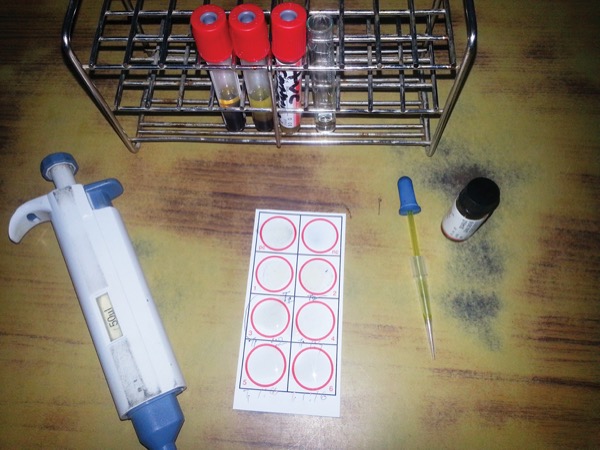
In a second study, researchers in Maryland found that approximately 1% of patients presenting to an urban ED had presumed active infection with syphilis (poster 01156). The study also found that 5% of ED patients were seroreactive for syphilis, of which one-fourth had high rapid plasma reagin titers (=1:8).
“In this study, we used unlinked, de-identified serological data to derive a targeted screening algorithm including testing people living with HIV, those without a chart-reported primary care provider or a woman of reproductive age, which would have identified 21 of 23 (91%) high-titer syphilis infections in our ED,” said Joanne H. Hunt, a post-baccalaureate National Institutes of Health Intramural Research Training Award Fellow at Johns Hopkins Medicine, in Baltimore, the study’s lead author.
Given the increasing rates of U.S. syphilis infections, “we must scale up testing initiatives to screen ED patients with increased risk for acquiring syphilis infection to identify all possible infections and curb community transmission of syphilis,” commented Yu-Hsiang Hsieh, PhD, and Richard Rothman, MD, the senior author and second co-author of the study, in an email. “The urban U.S. ED setting is an ideal place to increase testing/screening for syphilis, [because] EDs have historically seen low socioeconomic status or underserved populations for both their emergent and primary care concerns.”
Dr. Hunt noted the findings of her study also reinforced the likelihood that syphilis cases are still being undercounted in the United States.
“These results imply that the current reported cases may underestimate the true prevalence of syphilis and emphasizes the importance of robust screening programs to capture undiagnosed cases and prevent further transmission in the community,” she said. “Of note, the CDC recently called for nontraditional prenatal care settings to implement testing services to improve screening catchment of pregnant persons. In our study, eight of the nine female patients identified with high-titer syphilis infection were within reproductive age, revealing the potential impact of ED screening to prevent congenital syphilis.”
Regarding the practicality of implementing widespread syphilis screening programs in EDs, Dr. Stanford said it was absolutely feasible.
“It is very comparable to HIV screening, which has been successfully implemented in ERs across the country, so the model exists and can be easily adapted,” she said. “In ERs that already have HIV screening programs, building a syphilis screening program on the existing infrastructure is relatively straightforward.”
Additional work is needed to clarify remaining questions regarding syphilis screening programs, according to the researchers.
“It is important to note that our study was a retrospective, cross-sectional assessment of one urban ED,” Ms. Hunt said. “Although informative of the potential underdiagnosis in our ED population, we were limited in our access to patient clinical history, which is necessary to distinguish an active new infection from a reinfection.”
Ms. Hunt called for additional investigation into the prevalence of new active infections versus reinfections, which could inform screening strategies, as well as treatment for patients and their partners.
“In addition, if a targeted strategy is used, it is critical that we address risk factors carefully to avoid targeting screening strategies in a stigmatizing manner,” she added.
The United States is not the only country grappling with this issue. Syphilis is an international problem. The World Health Organization estimated there were 700,000 congenital syphilis cases in 2022, with 150,000 fetal deaths and stillbirths, 70,000 neonatal deaths, 55,000 preterm or low–birth-weight births, and 115,000 infants with a clinical diagnosis of congenital syphilis.
A study that reinforced the idea of syphilis as a global concern was conducted in Cape Town, South Africa, where researchers compared syphilis positivity and incidence of congenital syphilis among women who received pre-exposure prophylaxis (PrEP) between March 2022 and December 2023. They extracted maternal and infant data from antenatal care files, neonatal clinical records and testing results (abstract 207).
“Among 500 pregnant women who were obtaining routine antenatal services in public sector primary care clinics in Cape Town, 496 women, or 99%, were tested at least once during pregnancy,” said Alex de Voux, PhD, an infectious disease epidemiologist at the University of Cape Town. Of those, 31 (6%) were diagnosed with a newly acquired case of syphilis and were at high risk for transmitting the infection to their unborn babies.
“When we looked at risk factors, we found that younger women between the ages of 16 to 24, women who reported experiencing intimate partner violence and alcohol use in the past 12 months were more likely to be infected with syphilis during pregnancy,” she said.
Eighteen of the women (58%) were treated adequately with three doses of benzathine penicillin at least three days before delivery.
“We identified two cases of congenital syphilis, which translated to 6% vertical transmission among pregnant women. Both these cases of congenital syphilis were born to mothers with a diagnosis and treatment that happened less than 30 days prior before delivery,” Dr. de Voux said.
“We found a remarkably high occurrence of syphilis among women who were enrolled in antenatal care services and accessing PrEP in South Africa. And only half of these women were adequately treated. So our findings really make the case that there is a clear and urgent need to improve the integration of syphilis testing achievement into PrEP antenatal case services.”
CROI chair Landon Myer, MD, from the University of Cape Town, called congenital syphilis a “global public health nightmare,” and emphasized the importance of studies like this both in the United States and abroad to learn more about screening and treating syphilis.
“Congenital syphilis is a public health crisis that is being ignored,” Dr. Myer said. “And this speaks to a whole set of failures across the public health system.”
Although experts are still determining the best methods for testing all patients for syphilis and linking them to care, as well as assuring HIV prevention, “there are still questions remaining about the best way to ensure that populations such as pregnant women are consistently screened,” Dr. Standford said.
Marie Rosenthal, MS, contributed to this story. The sources reported no relevant financial disclosures.



This article is from the June 2024 print issue.