





Healthcare providers should consider early testing of the sexual contacts of people with mpox, regardless of whether they have experienced clear symptoms of the disease, because asymptomatic disease has been found, according to Ana Atti, MD, MSc, of the U.K. Health Security Agency, in England, who reported preliminary findings from the PRIME study at the 2024 ESCMID Global Congress (formerly ECCMID), in Barcelona, Spain (abstract O0210).
“We should consider offering early testing of mpox sexual contacts regardless of clear symptoms; as demonstrated there was a high rate—around 22% of participants who were undiagnosed—and most of them were asymptomatic,” Dr. Atti said, which could prevent secondary transmission and stem future outbreaks.
In addition, healthcare providers should ensure access to mpox vaccination (marketed under the brand name Jynneos [also known as Imvamune and Imvanex], Bavarian Nordic), because 14% of participants were unvaccinated despite being eligible for an mpox vaccine.
PRIME Study
The researchers performed a cross-sectional surveillance study in England after the 2022-2023 mpox outbreak. They wanted to estimate the mpox antibodies in this population after infection or vaccination, as well as identify risk factors for infection.
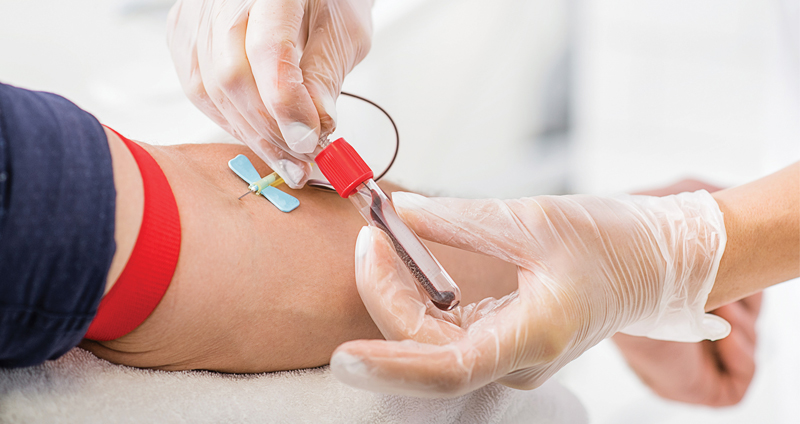
Participants were at least 18 years of age, lived in England and had never tested positive for mpox. They completed an online questionnaire, which included information such as symptoms and vaccination history. In addition, they were asked to provide one capillary blood sample for serological testing.
The researchers performed two different assays on the samples that determined whether antibody titers were the result of natural infection or recent vaccination.
They recruited 130 participants but excluded 46 for various reasons, including failure to provide a blood sample or previous mpox infection. Of the 84 remaining participants, 60% were the result of contact tracing, and 40% were recruited by posting on websites and social media.
Twenty-two percent of participants were antibody-positive likely due to infection, so these were potentially undetected infections, according to Dr. Atti. They also found 51% that were antibody-positive due to vaccination, and 26% of the participants were antibody-negative.
Most of the participants were white men who had sex with men with a median age of 40, and most lived in London. Twenty percent reported chronic conditions, including HIV (16%) and other immunocompromising conditions (6%).
The questionnaire also asked about symptoms. Of the people who reported symptoms, fatigue and rash or lesions were the most common, followed by muscle aches, fever, headaches, swollen lymph nodes, ulcers, chills and anal pain.
“Among the positive-infection group, we actually detected 63% of participants who reported no symptoms throughout the summer of 2022-23,” Dr. Atti said.
The study had several limitations, mostly the small sample size, the reliance on self-reports and possible recall bias because the questionnaire was sent one year after the outbreak, according to Dr. Atti.
Dr. Atti reported no relevant financial disclosures.
This article is from the June 2024 print issue.