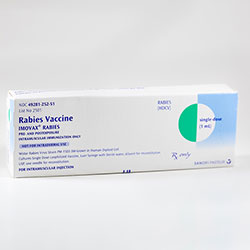


The Ixchiq chikungunya vaccine (live-attenuated injection, Valneva) is now available for people 60 years of age and older, after the FDA had paused all administration in older adults following reports of severe adverse events (SAEs).
During the pause, the FDA and CDC conducted a joint investigation of post-marketing reports of SAEs, including neurologic and cardiac events in individuals who had received the vaccine. The FDA also undertook an updated risk–benefit assessment of the vaccine, which has been completed and resulted in required updates to the vaccine’s prescribing information (PI).
After the investigations, the vaccine again is available for people 18 years of age and older.
Changes to the PI
In the PI, the indication now states that the vaccine is for individuals 18 and older who are at high risk for exposure to chikungunya virus (CHIKV). Previously, the indication was for people who were at increased risk. In addition, the FDA has added that vaccination with Ixchiq is not advisable for most U.S. travelers because the risk for exposure to CHIKV is low. However, the CDC has resources for assessing risk in travelers and laboratory workers.
The original indication in November 2023 included warnings of severe or prolonged chikungunya-like AEs for some taking the vaccine, as Ixchiq is a live, weakened strain of CHIKV. However, wording in the PI also has been updated to note the decision to vaccinate must take those warnings into consideration against the risk for exposure to CHIKV itself.
Finally, both the Warnings and Precautions and the Adverse Reactions sections have new additions discussing the SAEs that have occurred in people older than 65 Many of the SAEs occurred in older adults with multiple underlying health conditions after a mass vaccination campaign on Réunion Island, a French territory in the Indian Ocean.
Continuing Safety Monitoring
Just because the investigation and risk–benefit assessments have concluded doesn’t mean safety monitoring has ended. With the original approval of Ixchiq, the FDA required the company to conduct a post-marketing study on SAEs, specifically chikungunya-like AEs after vaccination. According to the FDA, this study is to be initiated by Oct. 1, 2025. In addition, suspected AEs can be reported to the Vaccine Adverse Event Reporting System.
The FDA’s lifting of the pause follows a similar move by the European Medicines Agency in July that also lifted restrictions after a review by its safety committee. Along with continued safety monitoring, the FDA is reviewing potential indication expansion to include adolescents and additional persistence data in the PI, according to Valneva.
Based on FDA and Valneva press releases.