

By Ethan Covey
The Advisory Committee on Immunization Practices (ACIP) has broadened its recommendations regarding who should receive pre-exposure vaccination against Ebola virus disease to include two additional groups of people: healthcare personnel at special pathogens treatment centers, and laboratorians and support staff at Laboratory Response Network facilities.
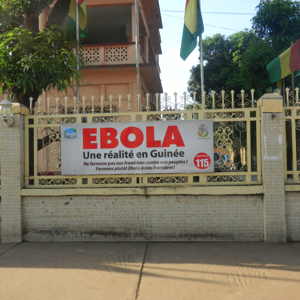
The recommendations for the ERVEBO Ebola vaccine (Merck), which was approved by the FDA in December 2019, focus on adults 18 years of age and older in the United States, who are determined to be at highest risk for potential occupational exposure to Ebola virus (MMWR Morb Mortal Wkly Rep 2022;71:290-292).
“Given what we know about the severity of Ebola virus disease, and the efficacy of the ERVEBO vaccine, this new expansion of recommendations aims to protect those U.S. workers who are deemed at high risk for exposure to Ebola virus,” Jason H. Malenfant, MD, an epidemic intelligence service officer in the Viral Special Pathogens Branch, CDC, told Infectious Disease Special Edition.
The new guidelines come as a result of monthly meetings conducted by the ACIP’s Ebola Vaccine Work Group from March 2020 through November 2021. Survey data were collected from personnel at special pathogens treatment centers (SPTCs) and Laboratory Response Network (LRN) facilities, which may handle Ebola virus specimens. Over half of survey respondents from both SPTCs and LRNs indicated willingness to be vaccinated. Willingness rose to over 80% when respondents were given the option to choose vaccination according to certain circumstances, such as when an Ebola virus disease case enters this country or a case is imported to their state.
“If you work in a state-designated SPTC or at a LRN facility that handles specimens that may contain Ebola virus, you are eligible to receive the Ebola vaccine,” Dr. Malenfant said. “As with all healthcare decisions, the decision to receive the vaccine should be made in consultation with your healthcare provider.”