





By IDSE News Staff
The CDC and Iowa Department of Health and Human Services are investigating a suspected case of Lassa fever, which was diagnosed in an Iowa resident who returned to the United States from West Africa in October.
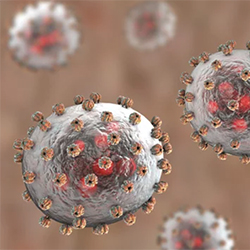
The patient was not sick while traveling, so the risk to fellow airline passengers was extremely low, the CDC said. The patient was hospitalized in isolation at the University of Iowa Health Care Medical Center, but died. Testing by the Nebraska Public Health Laboratory, part of the Laboratory Response Network, found the illness was presumptively positive for Lassa fever and confirmatory testing is planned.
Although Lassa fever is a viral disease common in West Africa, it’s rarely seen in the United States. In West Africa, Lassa virus is carried by rodents and spread to humans through contact with urine or droppings of infected rodents. In rare cases, it can be transmitted from person to person through direct contact with a sick person’s blood or body fluids, through mucous membranes, or through sexual contact.
The virus is not spread through casual contact, and patients are not believed to be infectious before symptoms begin. About 100,000 to 300,000 and 5,000 deaths related to Lassa fever occur in West Africa each year.
If confirmed, the Iowa suspected case would be the ninth known occurrence of Lassa fever in travelers returning the United States since 1969.
Early information suggests the patient may have had contact with rodents while in West Africa. The CDC and other federal agencies have offered federal assistance to Iowa. People with Lassa fever can only transmit the illness when they have active symptoms, and the CDC is working with state public health officials to identify people who had contact with the patient after symptoms began. Those identified as close contacts of the patient will be monitored for 21 days.