





By IDSE News Staff
A single modification of a surface protein of the highly pathogenic avian influenza (HPAI) H5N1 influenza virus circulating among U.S. dairy cows could allow the virus to easily transmit among humans, according to new research (Science 2024;386[6726]:1128-1134).
Current strains of the bovine H5N1 virus are not known to be transmissible among people; however, infections have occurred in individuals exposed to infected wild birds, poultry, dairy cows and other mammals. As part of pandemic preparedness efforts, researchers have been monitoring the H5N1 virus to understand viral genetic mutations that occur in nature and what impact they may have on transmissibility. 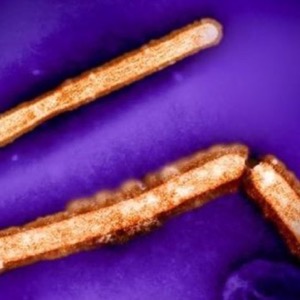
Hemagglutinin (HA) latches on to glycan molecule receptors on cells to cause infection. Avian influenza viruses do not infect people often because the human upper respiratory tract lacks the avian-type cell receptors found in birds. Scientists are concerned that the viruses could evolve to recognize human-type cell receptors in the upper airways and acquire the ability to infect people and spread among them.
Scientists at Scripps Research used the H5N1 strain isolated from the first U.S. human infection with the bovine strain 2.3.4.4b (A/Texas/37/2024) to test how mutations in the HA gene sequence affected the binding of that protein with avian versus human-type cell receptors. The researchers introduced several mutations into the viral HA protein that had been observed to occur naturally in the past and found that one mutation, called Q226L, improved the ability of the protein to attach to receptors typically found on human cells, especially when an additional mutation was present. Of note, the researchers introduced the genetic mutations only into the HA surface protein and did not create or conduct experiments with a whole infectious virus.
The experimental finding with the Q226L mutation alone does not mean HPAI H5N1 is on the verge of causing a widespread pandemic, the authors noted. Other genetic mutations would likely be required for the virus to transmit among people. In the setting of a growing number of H5N1 human cases resulting from direct contact with infected animals, the findings stress the importance of continued efforts at outbreak control and continued genomic surveillance to monitor for the emergence of HPAI H5N1 genetic changes and maintain public health preparedness.
The research was funded in part by National Institutes of Health’s National Institute of Allergy and Infectious Diseases (NIAID), through its Centers of Excellence for Influenza Research and Response program.