

By Ethan Covey
Higher rates of West Nile virus (WNV) are being reported throughout the country compared with 2024, according to CDC data.
Preliminary data as of Sept. 16 showed 986 total human WNV cases and 630 neuroinvasive disease cases in 2025. Currently, 47 states and the District of Columbia are reporting WNV activity, including human infections and nonhuman activity (veterinary disease cases or infections in mosquitoes, birds, or sentinel animals). Colorado is reporting the most human disease cases (n=203)—nearly three times the preliminary number other states are reporting.
“Overall, we are seeing heightened West Nile virus activity this year in the U.S.,” said Shelby Lyons, MPH, an epidemiologist with the CDC’s Division of Vector-Borne Diseases.
However, Ms. Lyons noted that such increases are not uncommon.
“It is not unusual to see increases in the number of WNV cases from year to year and in different locations throughout the U.S.,” she said. “As with most mosquito-borne diseases, it is difficult to predict or identify any one reason for a higher-than-average year. This is because there are several factors that contribute to the spread of WNV. These factors include changes in the bird and mosquito populations and immunity levels, mosquito susceptibility to insecticides, weather patterns, and even human behaviors, including increased awareness, testing, and increased exposure risk due to time outside.”
Most cases of WNV disease occur between July and October, typically peaking in late August and early September.
According to the WNV case data reported as of Sept. 16, the United States is observing approximately 30% more severe cases (neuroinvasive) than what is typically reported this time of year. This is down from approximately 40% for the last reporting period.
“It is important to note that these numbers are preliminary and could change,” Ms. Lyons said.
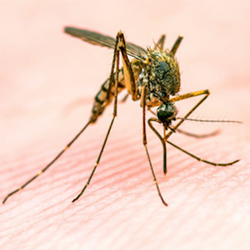
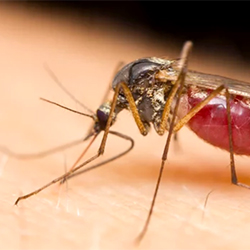
WNV is the leading cause of mosquito-borne disease in the contiguous United States. It is most commonly spread to people by the bite of an infected Culex mosquito. Cases of WNV typically occur during mosquito season, which starts in the summer and continues through the fall.
While there are no vaccines to prevent or medicines to treat human WNV, fortunately, most people infected with WNV do not feel sick. About 20% of people who are infected develop a fever and other symptoms. Less than 1% of infected people develop a serious, sometimes fatal, illness.
The best protection is to avoid mosquito bites, Ms. Lyons said.
“Everyone can play a role in helping prevent themselves and their loved ones from vector-borne diseases by preventing mosquito bites by wearing EPA-registered insect repellents and taking other prevention steps,” Ms. Lyons said.