By Ethan Covey
An anonymous serosurvey conducted by the CDC at a veterinary conference in September 2024 identified evidence of previous avian influenza A(H5) infection in three out of 150 bovine practitioners who had contact with cattle within the three months before the survey.
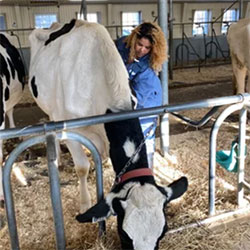
Two of the veterinarians who demonstrated evidence of previous infection reported no known exposure to animals with known or suspected A(H5), a highly pathogenic avian influenza (HPAI) virus infection. The other person did not practice in a U.S. state with known HPAI A(H5) virus–infected cattle (MMWR Morb Mortal Wkly Rep 2025;74[4]:50-52).
As was evident in other studies, this one underscores the potential for missed avian influenza A(H5) exposures among people working with animals, “but the data suggest these undetected infections are uncommon,” a CDC spokesperson told Infectious Disease Special Edition. “This survey represents a single point in time and aims to understand the spread of H5 infections among veterinary professionals who work with cattle.”
The findings also highlight the importance of systematic surveillance for rapid identification of HPAI A(H5) virus, the authors wrote.
“These findings highlight the importance of preventing A(H5) virus infections in animals and rapidly identifying infected dairy cattle through herd and bulk milk testing programs, as announced by the U.S. Department of Agriculture on Oct. 30, 2024,” the CDC spokesperson said. “Increased testing of herds and bulk milking tanks can help monitor for additional A(H5) positive herds and help better protect bovine veterinary practitioners and other animal workers. Surveillance programs, such as herd and bulk milk testing and serosurveys, can aid in identifying areas of increased risk to bovine veterinary practitioners and workers to allow for appropriate engineering controls, administrative controls and personal protection equipment use.”
Since the survey was conducted, the U.S. avian influenza virus outbreak has expanded to include 70 human cases, 41 of which were in people who reported contact with dairy cattle.
“CDC is tracking the spread of the H5 influenza virus among animals and people in the U.S.; monitoring the virus, disease severity and treatment effectiveness; and providing guidance to employers and workers who may be exposed about how to reduce risk of infection,” the CDC spokesperson said. “The current risk to the general public remains low.”
The sources reported no relevant financial disclosures.