

By Ethan Covey
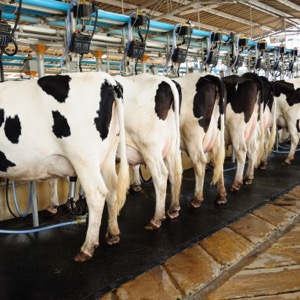
Dairy cattle are susceptible to highly pathogenic avian influenza (HPAI) A(H5N1) virus and can shed virus in milk, according to findings from a study conducted at the Iowa State University Veterinary Diagnostic Laboratory. The study also found that the unpasteurized milk from these cows may potentially allow for transmission to other animals, such as cats who drink the milk (Emerg Infect Dis 2024;30[7]:1335-1343).
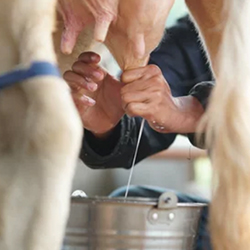
Approximately 50% of the domestic cats that lived on the farm premises and were fed raw colostrum and milk from affected cows died.
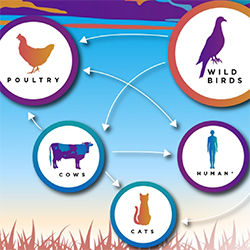
“Our findings suggest cross-species mammal-to-mammal transmission of HPAI H5N1 virus and raise new concerns regarding the potential for virus spread within mammal populations,” the authors wrote.
“This was the first detection of HPAI A(H5N1) in milk samples from affected dairy cattle in the U.S. with concurrent infection and death in cats on the same farms,” said Eric R. Burrough, DVM, PhD, a professor and diagnostic pathologist at Iowa State University Veterinary Diagnostic Laboratory, in Ames. “We also show clear evidence of infection in the mammary gland epithelium and shedding of virus into the milk.”
Although vague illness and reduction in milk production have been the most common reported symptoms among the infected cattle, infected cats have demonstrated neurologic signs and quite rapid death.
The investigators noted that additional surveillance is needed among domestic production animals to “elucidate influenza virus evolution and ecology and prevent cross-species transmission.”
Additional research will help clarify how the virus may be spreading on these farms.
“The most important questions remaining are determining how the virus first entered cattle, how it spreads among cattle, and how it is spreading to other mammals in and around the affected dairies in cats, humans and rodents,” Dr. Burrough said.