

By Ethan Covey
Cases of nationally notifiable domestic arboviral diseases more than doubled in the United States in 2023 compared with 2022, with cases reported from all contiguous states.
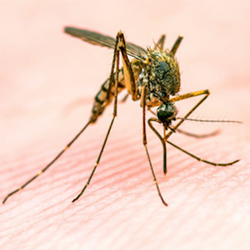
U.S. arboviral infections occur primarily through bites from infected mosquitoes or ticks (MMWR Morb Mortal Wkly Rep 2025;74[21]:358-364).
In total, there were 2,770 arboviral disease cases reported in 2023, compared with 1,247 cases reported in 2022. Both years, however, had fewer than the 3,035 cases reported in 2021, when a large West Nile virus outbreak occurred in Arizona.
During 2023, West Nile virus increased 132% over 2022, accounting for 95% of all arboviral cases. This included three cases among patients infected through organ transplantation from two donors.
Cases of Powassan virus disease, the second most common arboviral disease, also increased in 2023 from the previous record high. Among children, La Crosse virus was the most common cause of arboviral disease, with most cases classified as neuroinvasive.
“Most arboviral disease cases in the U.S. occur in April through December so it’s especially important during this time of year to be aware of the risk of diseases spread by ticks, mosquitoes and other arthropods,” said Hannah Padda, DVM, a CDC Epidemic Intelligence Service officer. “Healthcare providers nationwide should counsel patients to prevent mosquito and tick bites and should consider arboviral testing for patients with acute febrile or neurologic illnesses when mosquitoes and ticks are active.”
As no prophylactic agents, such as vaccines, or specific treatments are available to treat domestic arboviral infections, management is supportive, and prevention is key.
“We would all benefit from more research and development of prophylactic agents and treatments that could effectively prevent and manage arboviral infections,” Dr. Padda said. “There are still no human vaccines or specific treatments available for domestic arboviral infections. While most people experience relatively mild symptoms, those who develop severe illness often have long-term sequelae and some will die due to their illness.
“Until we have prophylactic agents or treatments available, the best thing people can do is to protect themselves and their loved ones from getting mosquito and tick bites,” she added.