





Feral cat colonies can be a risk to public health, as one case in Cecil County, Maryland, has shown. A rabid feral cat identified in August 2024 prompted a multi-jurisdiction public health investigation, highlighting the risks posed by unmanaged feral cat colonies and the significant resources required to prevent rabies transmission to humans (MMWR Morb Mortal Wkly Rep 2025;74[31]:480-483).
Feral Cat as a Potential Rabies Exposure
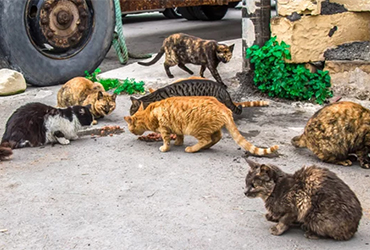
The animal belonged to a colony of roughly 20 cats and kittens and was captured near a hotel after exhibiting aggressive behavior and biting or scratching two area residents. Subsequent testing confirmed rabies infection. With the cat’s infectious period extending back more than two weeks, the Cecil County Health Department, Maryland Department of Health and local partners initiated an expansive response to identify and assess potentially exposed individuals.
Investigators employed multiple strategies, including review of hotel reservation records, outreach to local residents and use of reverse 911 messaging to reach community members regarding potential exposures.
In total, 309 potentially exposed individuals were identified, including 107 Maryland residents and 202 people from 27 U.S. states and Canada. Nearly two-thirds completed rabies risk assessments. Three individuals—the two initially bitten or scratched and one person experiencing homelessness near the hotel—were determined to have been exposed and received rabies post-exposure prophylaxis. No human rabies cases occurred.
“Unmanaged feral cat colonies, such as the one described in this report, can pose public health risks and require extensive resources to prevent adverse human and animal health outcomes,” said Sarah Ludmer, MSN, MPH, a CDC Epidemic Intelligence Service officer assigned to the Maryland Department of Health in the Infectious Disease Epidemiology and Outbreak Response Bureau. “These outcomes can persist indefinitely if natural breeding continues.”
Reducing Rabies Risk
The authors of the report noted that cat colony management programs, which typically incorporate vaccination and sterilization, can mitigate risks associated with rabies transmission. In contrast, unmanaged colonies remain a persistent challenge.
“Persons living in the vicinity of and engaging with the cat colony described in this report were at risk for bites, scratches and rabies exposure,” Ms. Ludmer said. “Increased public education regarding the health risks posed by unmanaged cat colonies might reduce potential human exposure to rabies and other diseases.
“Feral cats pose a rabies risk to local communities,” Ms. Ludmer added. “Improved understanding of rabies transmission within cat colonies with subsequent human rabies exposure is needed.”
Ms. Ludmer reported no relevant financial disclosures.