By IDSE News Staff
The CDC recently reported the first mortality from severe avian influenza A(H5N1).
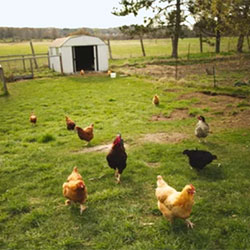
The fatality occurred in a person from Louisiana, who was older than 65 years and had multiple comorbidities. The patient was previously hospitalized with a severe case of H5N1, marking the first instance of severe illness linked to the virus in the United States and the first case linked to a backyard flock, according to the CDC.
The viral genome data of the H5N1 avian influenza virus that infected the patient belong to the D1.1 genotype related to other D1.1 viruses recently detected in U.S. wild birds and poultry, but differ from the B3.13 genotype detected in dairy cows, other human cases in multiple states and some poultry outbreaks in the United States, the CDC said in a statement.
The patient appears to have been exposed to sick and dead birds in a backyard flock, underscoring the importance of people outside of commercial poultry and dairy operations to take precautions against infection, the CDC said. Anyone who handles birds, from those who work with or hunt wild birds to those with backyard flocks, should be aware they are potential sources of exposure, the agency said.
There still has not been any person-to-person spread of avian flu, and the case does not change the CDC’s overall assessment about the risk to the public’s health from H5N1 bird flu, which remains low.
“While tragic, a death from H5N1 bird flu in the United States is not unexpected because of the known potential for infection with these viruses to cause severe illness and death,” the CDC said in a statement.
As of Jan. 6, 2025, there have been 66 confirmed human cases of H5N1 bird flu in the United States since 2024 and 67 since 2022. Outside the United States, more than 950 cases of H5N1 bird flu have been reported to the WHO; about half of those have resulted in death.