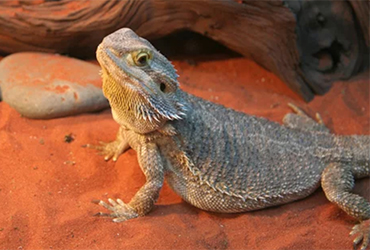
A multistate Salmonella outbreak has been linked to pet bearded dragons, highlighting ongoing public health risks associated with reptile ownership (MMWR Morb Mortal Wkly Rep 2025;74[31]:474-479).
Outbreak Linked to Pets
The outbreak was first detected in April 2024 when the CDC’s PulseNet identified seven Salmonella Cotham infections across five states. By December 2024, the total had grown to 26 confirmed cases across 13 states, with one additional probable case. Whole-genome sequencing showed that the strain closely matched one previously linked to bearded dragons during a 2012-2014 outbreak that affected 160 people nationwide.
Young children and infants were disproportionately affected. Among the 26 confirmed patients, 17 (65%) were 5 years of age or younger, and 13 (50%) were infants younger than 1 year old.
Investigators noted that many of these young children had not directly handled the reptiles. Instead, indirect exposure—through contact with contaminated environments, household members or shared surfaces—was a key driver of illness. Nearly half of patients required hospitalization.
“This report highlights the risk of Salmonella transmission from pet reptiles, such as bearded dragons, to infants and young children even without touching the reptiles themselves,” CDC spokesperson Gabriel Alvarado told Infectious Disease Special Edition. “Infants under 1 year accounted for 50% of the cases in this outbreak, yet parents reported the infants did not interact with or touch bearded dragons directly. This shows the bacteria likely spread to the babies and children from surfaces or objects in the home that had come into contact with the reptiles or their food or droppings.”
A Persistent Strain
Testing confirmed that Salmonella Cotham was present in bearded dragons from affected households, and traceback investigations pointed to a common commercial supplier. The persistence of this rare strain of Salmonella over more than a decade underscores gaps in biosecurity and supply chain oversight, the authors of the report said.
Reducing the Risk
Per CDC recommendations, certain steps can greatly reduce the risk of contracting illnesses from reptiles.
“Bearded dragon owners can reduce the risk of Salmonella infection for infants and young children by preventing reptiles from roaming freely around the house, keeping reptiles and supplies away from human food preparation areas, and making sure everyone washes their hands and changes clothing after handling reptiles and before holding or feeding infants and young children,” Mr. Alvarado said.
Mr. Alvarado reported no relevant financial disclosures.