By IDSE News Staff
Twenty-six people in Rwanda have become ill with Marburg virus disease (MVD), the first time the disease has been reported in that country. Eight have died, according to the Rwanda Ministry of Health.
The cases are reported from seven of the 30 districts in the county, namely the Gasabo, Gatsibo, Kamonyi, Kicukiro, Nyagatare, Nyarugenge and Rubavu districts, according to the WHO. The patients are being cared for in hospitals. Healthcare workers from two health facilities in Kigali account for more than 70% of confirmed cases.
Blood samples collected from suspected cases were sent to the National Reference Laboratory of the Rwanda Biomedical Centre for testing and were positive for MVD by real-time polymerase chain reaction on Sept. 26. Samples are being sent to a regional reference laboratory for further confirmation.
Contact tracing is underway, with about 300 contacts under follow-up as of Sept. 29. One contact traveled internationally. They remained healthy, completed the monitoring period and did not present with any symptoms.
The source of the infection is still under investigation, according to the WHO.
The CDC, which has had a long-standing presence in Rwanda since 2002, is helping the Rwandan health department respond to the outbreak, and said to date, no cases of MVD related to this outbreak have been reported in the United States.
The CDC is deploying experts to assist with the country’s investigation and response to this outbreak. The staff will use experience from responding to outbreaks of MVD and similar diseases in other countries to support epidemiology, contact tracing, laboratory testing, disease detection and control along borders and hospital infection prevention and control.
Others, including the WHO, are also providing response support.
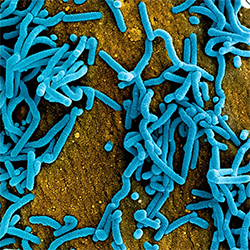
MVD is a rare, severe viral hemorrhagic fever similar to Ebola, which is spread in several countries in Africa by certain types of bats. It can cause deadly infections in people. The virus can also spread from person to person through direct contact with those who are sick. Healthcare workers in outbreak settings are at an increased risk for infection. Symptoms can appear suddenly and may include fever, rash and severe bleeding.
There is no available treatment, outside of supportive care, or vaccine for MVD. This is why it is important for people showing Marburg-like symptoms to seek care early for supportive treatment, which can improve patient survival.
The WHO assessed the risk for this outbreak as very high at the national level, high at the regional level and low at the global level.