By IDSE News Staff
Cefiderocol (Fetroja, Shionogi) was efficacious and well tolerated in the treatment of serious gram-negative bacterial infections in real-world settings among a seriously ill patient population, many of whom required intensive care, according to new data presented at IDWeek 2024, in Los Angeles (poster 1475).

The data came from the PROVE study, an international, multicenter, retrospective medical chart review study, to examine the patient characteristics and clinical outcomes among patients treated with this siderophore cephalosporin, for the treatment of certain gram-negative bacterial infections, most of which were carbapenem-resistant. More than 47% of patients were from the United States; 14.8% were from Spain; 11.9% were from France; 11.3% were from Italy; and more than 7% each were from the United Kingdom and Germany.
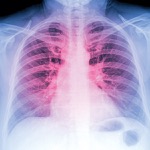
The study looked at patients treated with cefiderocol in real-world settings between 2020 and 2024. This analysis included 1,075 hospitalized patients, most (56.6%) of whom were in the ICU and had a median age of 60 years (range, 46-69 years). More than 53% of patients had respiratory tract infections (RTIs), 10.6% of patients had urinary tract infections (UTIs) and 10% of patients had bloodstream infections (BSIs). Additionally, 74.6% of the organisms were resistant to carbapenems.
Of the patients with monomicrobial infections, the predominant pathogen was Pseudomonas aeruginosa (35.9%), followed by Acinetobacter baumannii (18.1%) and Enterobacterales (13.1%). However, one-fourth of patients (25.2%) had polymicrobial infections, in which an infection involved multiple concurrent gram-negative pathogens.
Clinical response rates were 71.6% in patients with RTIs, 74.1% in those with BSIs and 91.2% in patients with UTIs. Overall, the rate of 30-day all-cause mortality was 23.3%.
There were 29 adverse drug reactions (ADRs) affecting 25 patients, including three serious ADRs. Of the 1,075 patients, 13 discontinued cefiderocol due to the ADRs.
“Seriously ill patients with resistant gram-negative bacterial infections are often difficult to treat. Although antibiotics are usually approved based on data from randomized controlled clinical trials, clinicians often rely on real-world evidence data to understand how antibiotics may perform in clinical settings,” said Cornelius (Neil) Clancy, MD, a professor of medicine at the University of Pittsburgh.
Of the patients included in the analysis, 75.1% had a favorable clinical response to cefiderocol at the end of treatment (defined as resolution or improvement of signs and symptoms as judged by the physician, excluding deaths while on therapy).
“This real-world evidence from PROVE, the largest to date for cefiderocol, further support its use and importance as a treatment option for appropriate patients with carbapenem-resistant, gram-negative infections in clinical settings,” Dr. Clancy said.
In related information, data from two studies demonstrated the in vitro activity of cefiderocol against multidrug-resistant P. aeruginosa and Enterobacterales isolates that were nonsusceptible to several contemporary beta-lactam/beta-lactamase inhibitor (BL/BLI) combinations. Cross-resistance was observed at high rates among BL/BLI combinations, but not with cefiderocol. Other studies showed the activity of cefiderocol against bacteria that produce metallo-beta-lactamases (MBL). These bacteria cause infections that are difficult to treat and are becoming increasingly prevalent around the world, with almost no treatment options.
These studies showed that cefiderocol was active against clinical isolates of P. aeruginosa and Enterobacterales carrying MBL genes, including those that were nonsusceptible to carbapenems and BL/BLI combinations.
“The findings of these studies provide insights on the dynamics where cross-resistance was observed among the beta-lactams and beta-lactamase inhibitor combinations where notably cefiderocol demonstrated potent activity against isolates resistant to these inhibitor combinations. Additionally, cefiderocol showed activity against carbapenemase-producing Enterobacterales, especially isolates carrying metallo-beta-lactamases,”said Jose Alexander, MD, the director of microbiology, virology and immunology at AdventHealth, in Orlando, Fla.“This information can lead us to more rational antimicrobial susceptibility testing and enhance rapid therapy decisions based on resistance markers and specific carbapenemase detection.”
Antimicrobial resistance (AMR) is a major health problem that urgently needs to be addressed. Globally, in 2019, there were 1.27 million deaths attributable to bacterial AMR, according to the WHO. Infections caused by carbapenem-resistant, gram-negative bacteria are often associated with a high mortality rate.