





The use of systematic screening for histoplasmosis using a urinary antigen detection test in people living with HIV (PLHIV) can help diagnose this life-threatening fungal infection earlier, and may result in decreases in hospitalizations and mortality, according to a recent study from Brazil (Med Mycol 2025 Feb 28;63(3):myaf017).
“This study provides evidence of the importance of a routine urinary antigen screening to increase the precocity in the diagnosis of histoplasmosis in PLHIV, which is associated with a better prognosis,” said the lead author Melissa Orzechowski Xavier, PhD, a professor, in the Programa de Pós-graduação em Ciências da Saúde, Faculdade de Medicina, Universidade Federal do Rio Grande in Rio Grande, Brazil.
The study retrospectively evaluated the effect of systemic histoplasmosis screening using the Clarus Histoplasma GM enzyme immunoassay (HGM-EIA, IMMY USA) during an 18-month period from March 2021 through September 2022. A total of 287 people with HIV were screened. Roughly half (53.5%) of those included in the study had advanced HIV disease.
Overall, screening resulted in a histoplasmosis positivity rate of 9.1%. Histoplasmosis positivity was higher among hospitalized individuals (19.6%) than outpatients (6.4%). Mortality among those with histoplasmosis was high—24%—and was even higher among hospitalized patients (27.3%). Among those with a histoplasmosis case-fatality score of 5 or more, 90-day mortality was 66.7%.
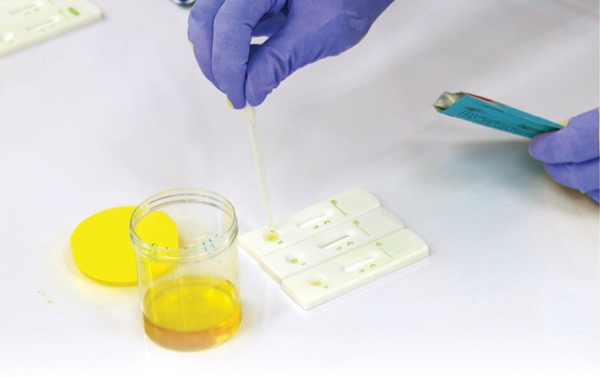
“Histoplasmosis is a fungal infection that poses a substantial risk to immunocompromised individuals, particularly those with advanced HIV disease,” added Diego H. Caceres, MSc, an account manager, Latin American Region, for IMMY in Bogota, Colombia. “Early diagnosis is crucial for reducing mortality.”
Related Content
Although early diagnosis of histoplasmosis is crucial to reduce morbidity and mortality, the infection is often underdiagnosed, they said. Early clinical presentations can be non-specific, and limited diagnostic access means that histoplasmosis is often missed. It can also be misdiagnosed—often as tuberculosis.
“Brazil is a country with high rates of tuberculosis, which is an endemic disease and one of the most opportunistic infections in PLHIV,” Dr. Xavier told Infectious Disease Special Edition. “Since classical mycology methods have poor sensitivity to diagnose histoplasmosis, and this mycosis leads to clinical features that overlap those of tuberculosis, using an appropriate method for histoplasmosis detection is crucial to reduce misdiagnosis of tuberculosis in PLHIV and provide the correct treatment.
“Besides helping directly PLHIV, allowing the confirmation of the diagnosis of histoplasmosis in early stages of the disease, the consequently correct treatment with antifungal also contributes to a reduction in empiric treatment of tuberculosis and/or other opportunistic bacterial infections, contributing to the fight against the increase in the antimicrobial resistance,” Dr. Xavier continued.
The data demonstrate the value of a rapid diagnostic test. “The findings underscore the utility of urinary antigen detection as a rapid and sensitive diagnostic method for histoplasmosis in PLHIV—in both symptomatic and a symptomatic individuals,” he said. “This aligns with existing evidence that highlights the sensitivity of antigen detection.”
Both Dr. Xavier and Mr. Caceres hope that future research addresses lingering questions, such as the cost effectiveness of implementing routine antigen screening in various healthcare settings and the feasibility of integrating screening protocols.
“It is necessary to study cost-effectiveness in different healthcare scenarios—private and public—to advance the implementation of this test as a routine,” Dr. Xavier said.
In Brazil, a region with a particularly high prevalence of histoplasmosis and people with advanced HIV, Dr. Xavier said that a best-case scenario would be the implementation of screening in the public healthcare service of Brazil, Sistema =nico de Saude.
Thus, she said, cost-effectiveness studies including different risk groups of PLHIV, such as mild versus advanced disease, could help.
“In addition, using urinary antigen integrating screening protocols will contribute to a better understanding of the epidemiological situation of this disease, which is probably underdiagnosed and is not included in the mandatory notification list,” she added. “Public health policies would benefit with these data serving as subsidies.”
Mr. Caceres reported no relevant financial disclosures outside of employment. Dr. Xavier reported no relevant financial disclosures.
This article is from the June 2025 print issue.